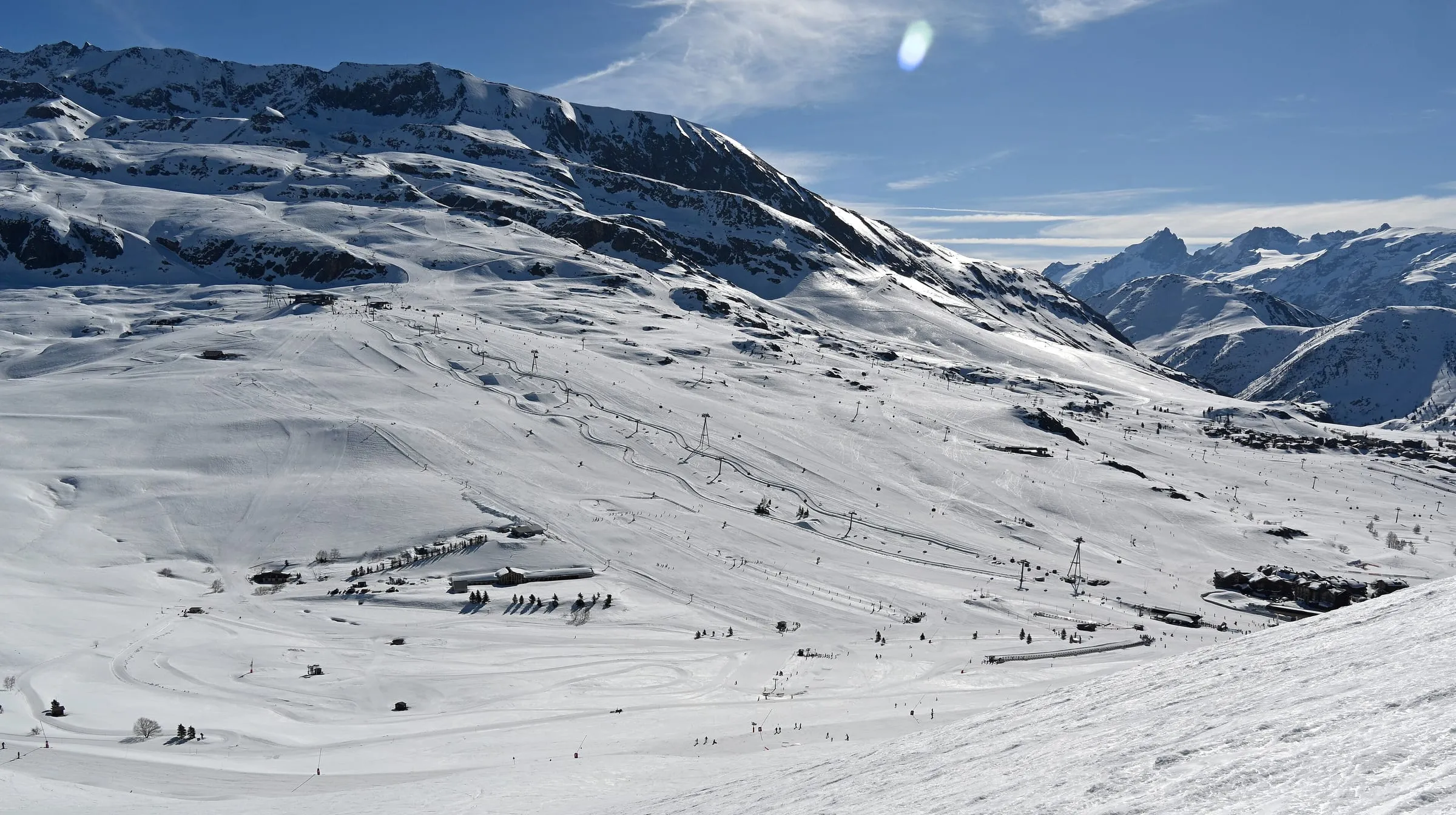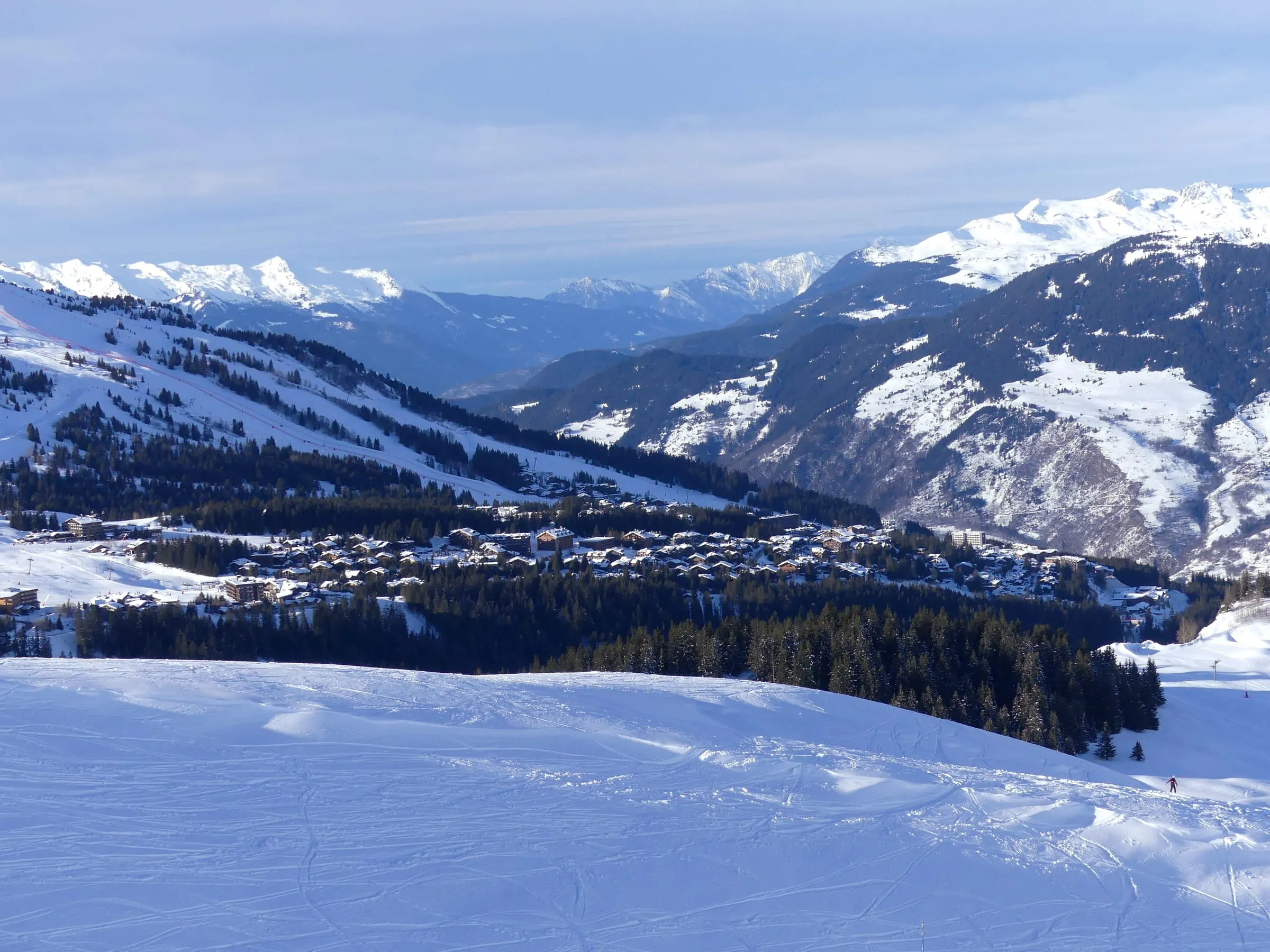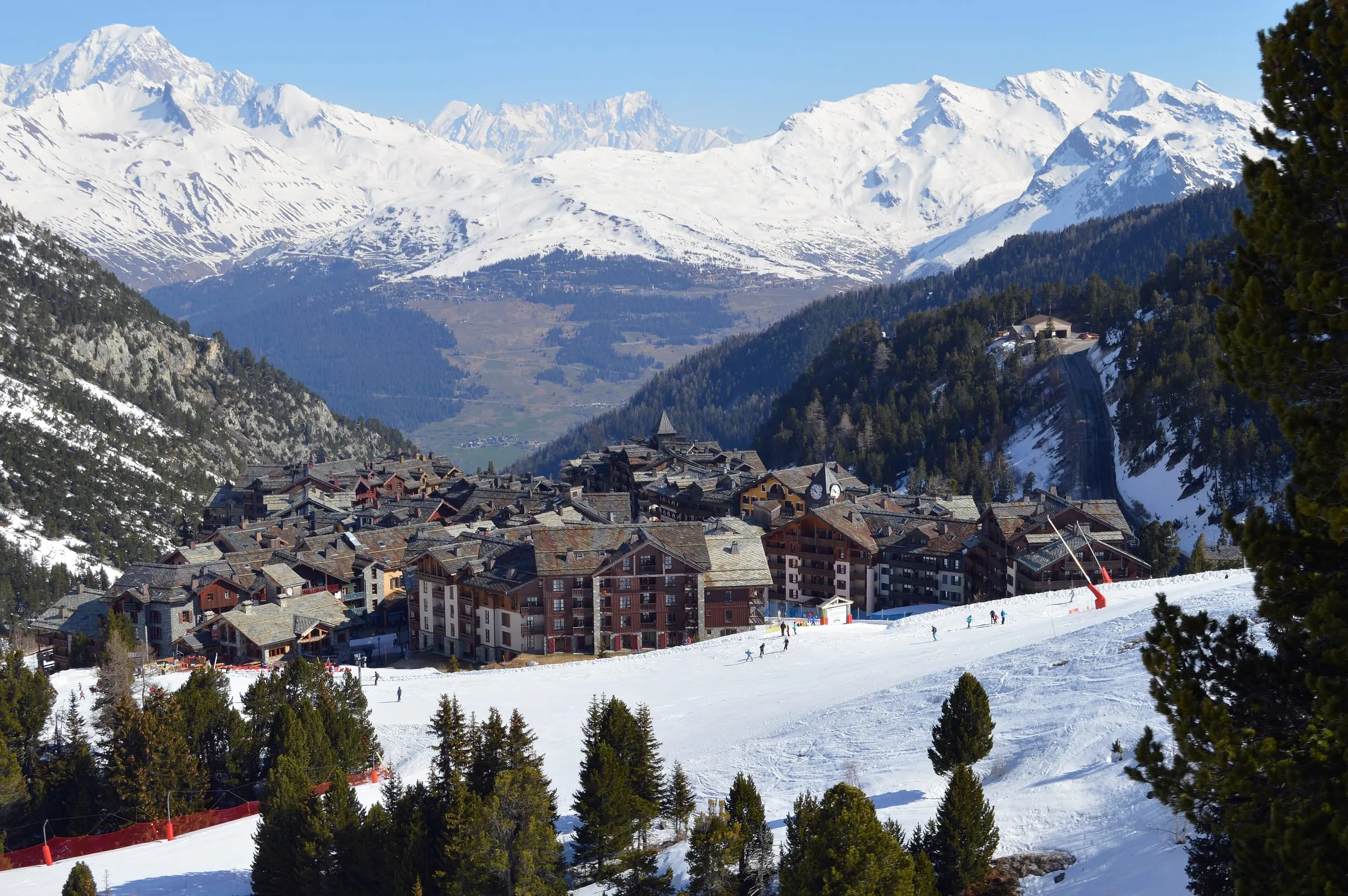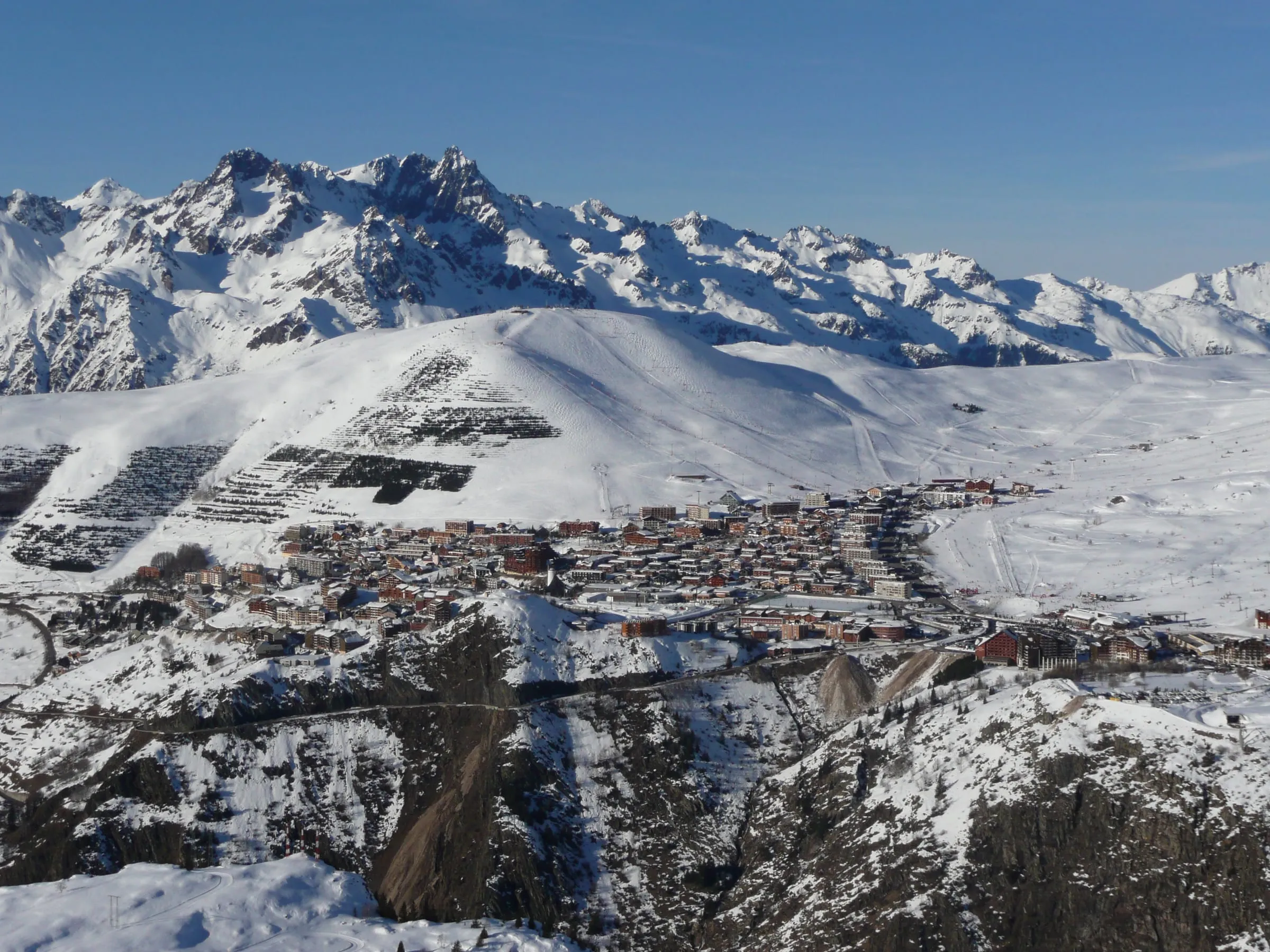
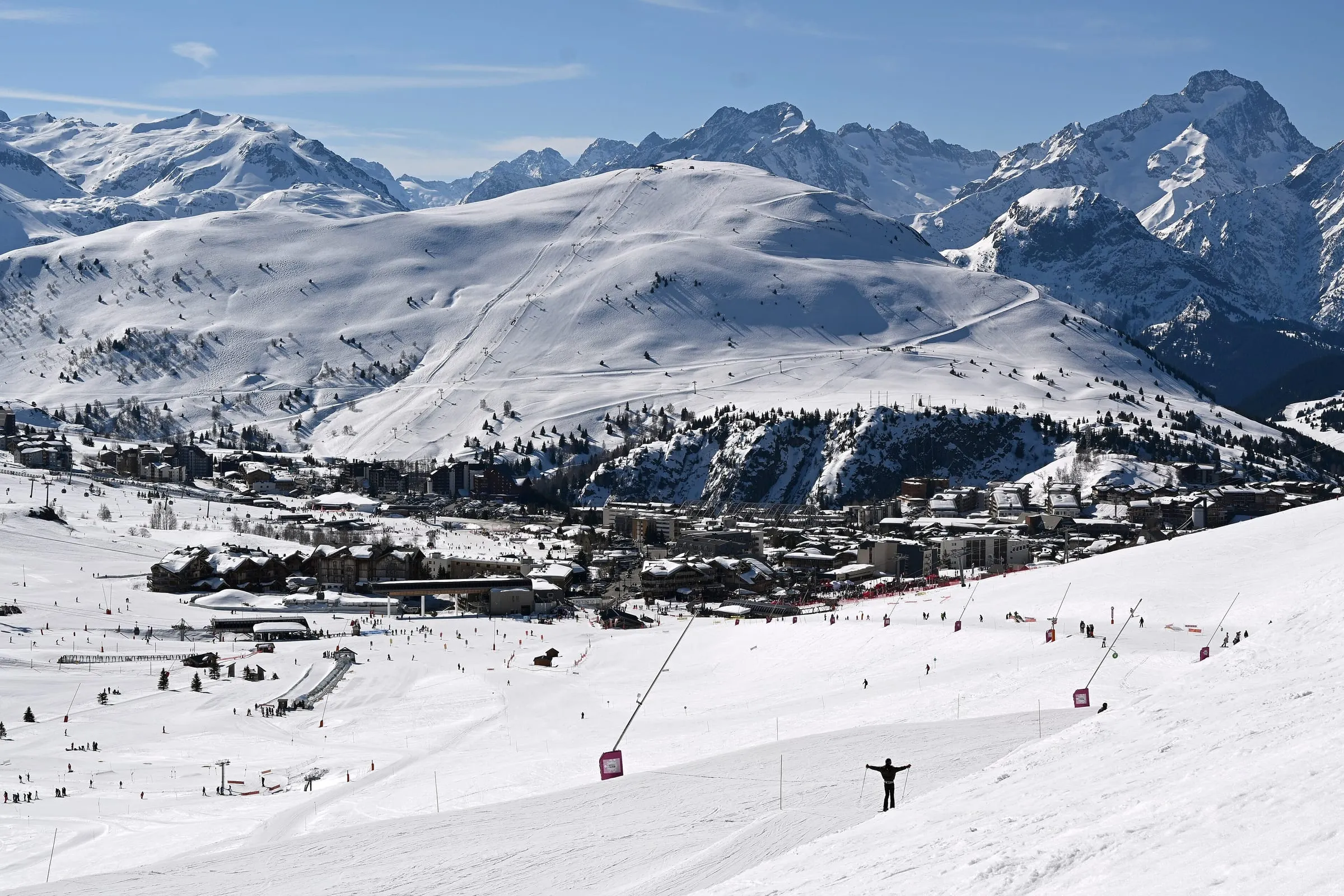
Alpe d’Huez sits at about 1,860 m on a sunny shelf above Bourg d’Oisans, south-east of Grenoble. Cyclists know it for the 21 hairpins of the Tour de France climb. Skiers come for one of the biggest ski areas in France: the Alpe d’Huez Grand Domaine, with 250 km of pistes, 111 runs and 67 lifts, running from the village up to the Pic Blanc at 3,330 m.
It’s a resort that rewards a quick decision. Bourg d’Oisans is about an hour from Grenoble, the slopes face south and the resort claims 300 days of sunshine a year. When there’s fresh snow and a good forecast, it’s one of the easiest big resorts in the Alps to reach at short notice.
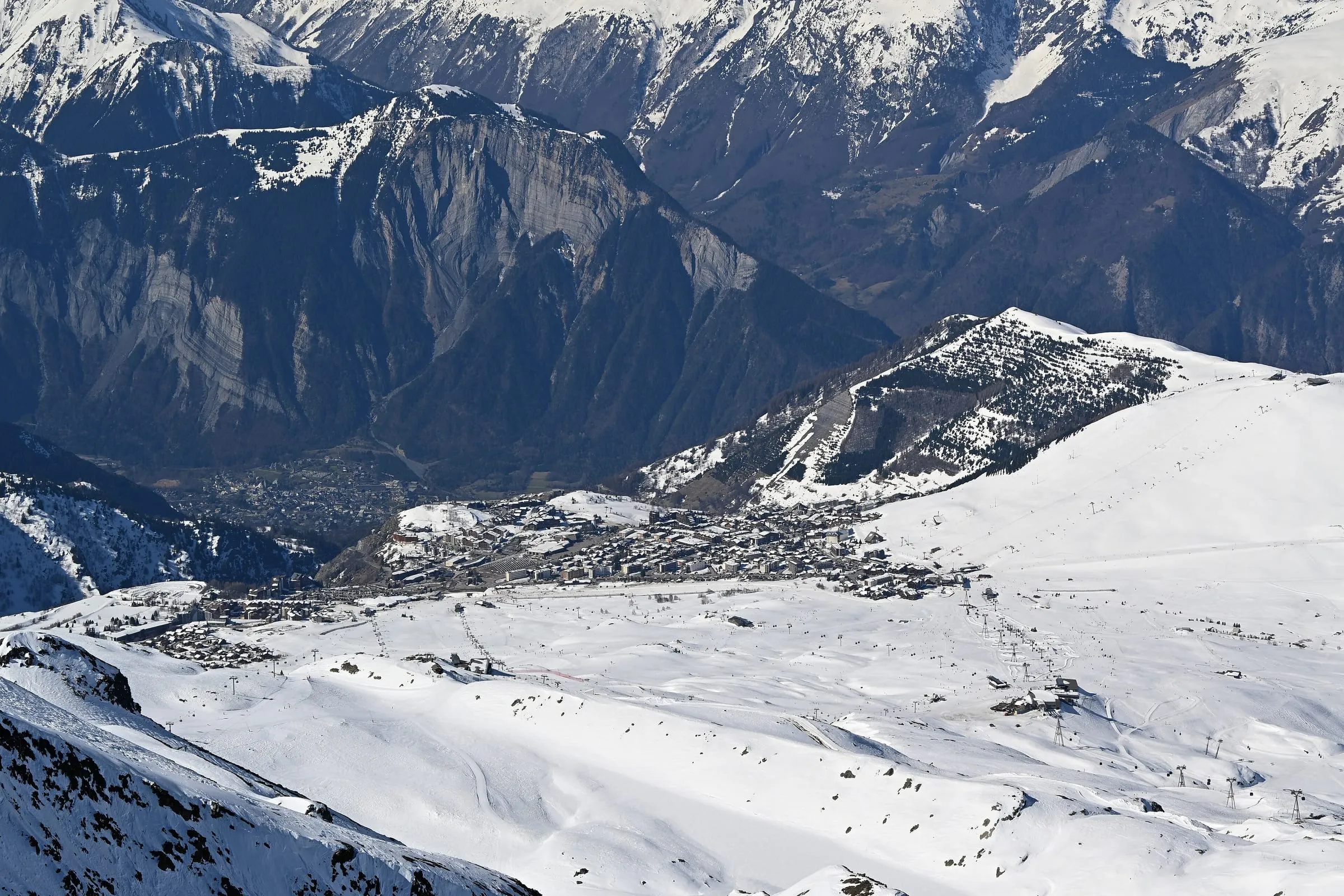
Alpe d’Huez ski area: 250 km in the Grand Domaine
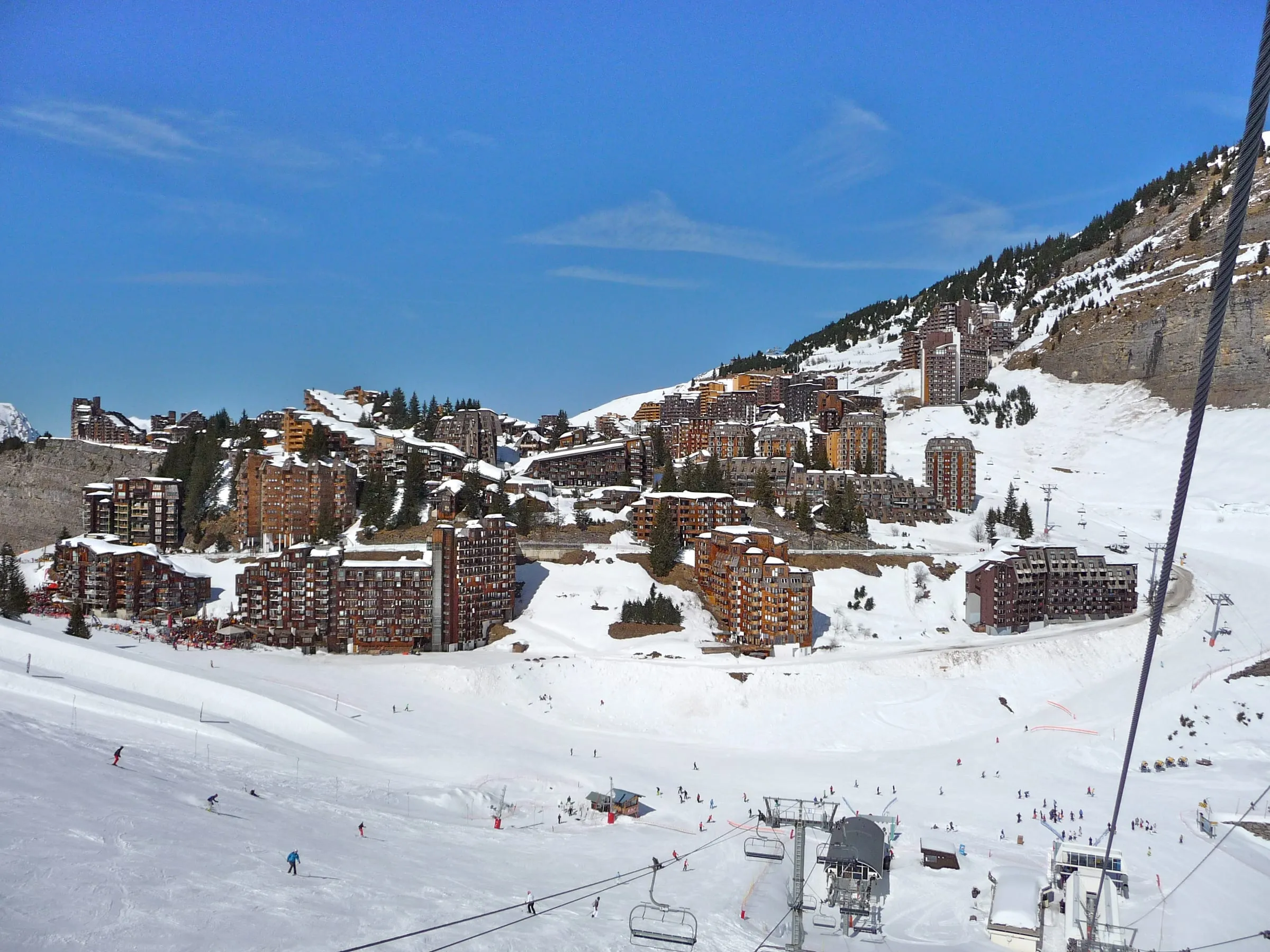
Alpe d’Huez is the hub of the Grand Domaine, and its lifts link to four smaller villages: Auris-en-Oisans, Oz 3300, Vaujany and Villard-Reculas. You can ski between all five on one pass. Staying in a linked village is usually quieter and cheaper, but most of the shops, restaurants and après-ski are in Alpe d’Huez itself.
The terrain runs from gentle nursery slopes by the village to high, open bowls below the Pic Blanc and the Sarenne glacier. Above the village, the runs are wide and mostly treeless. Lower down towards Oz, Vaujany and Villard-Reculas, there’s more shelter from the trees on flat-light days.
Skiing in Alpe d’Huez for beginners
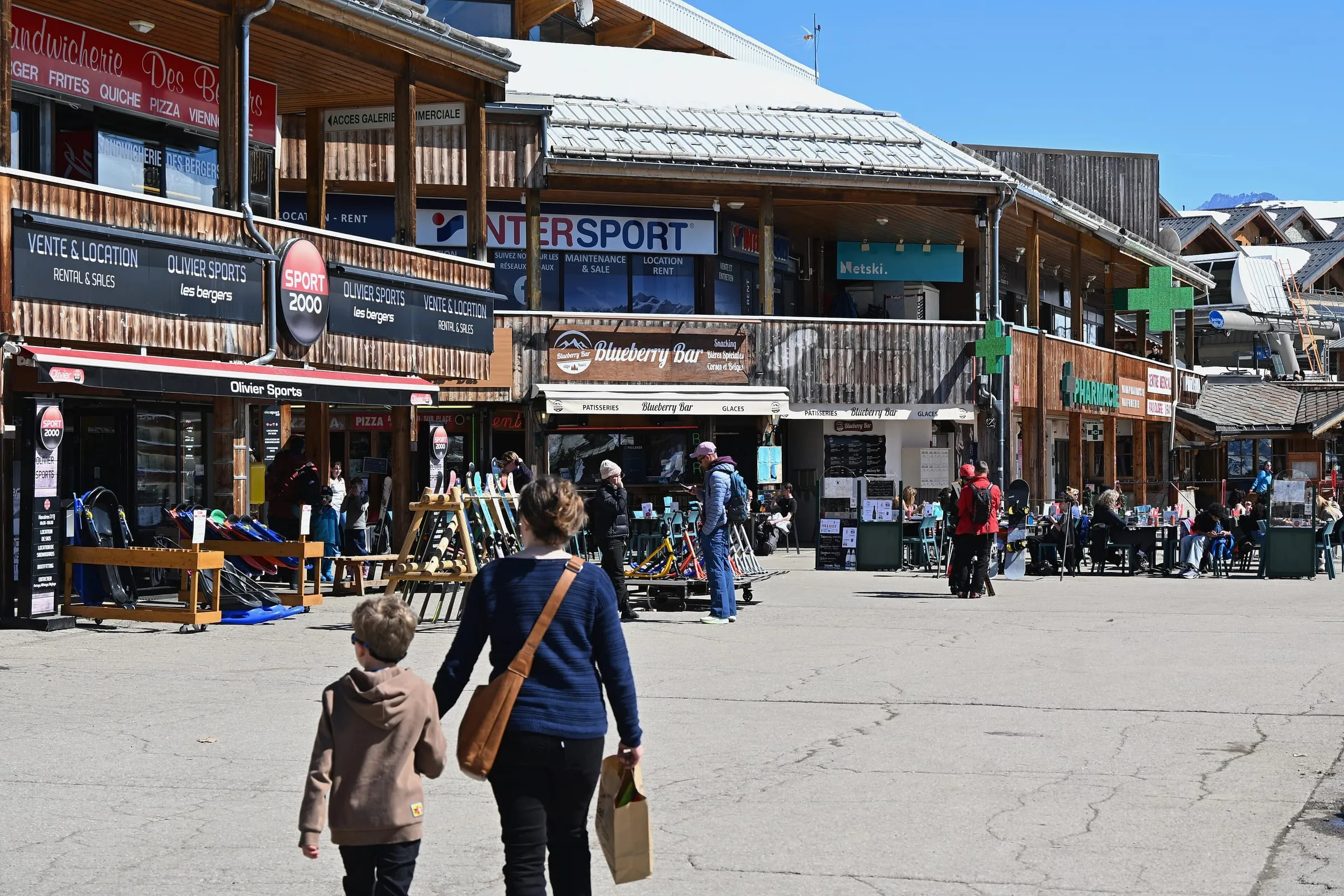
Beginners are some of the best served in the Alps here. The resort has two free beginner areas, by the Bergers shopping centre and at the Rond-Point des Pistes, so you don’t need to buy a full lift pass on day one. Once you’re confident, long blue runs above the village give plenty of easy mileage.
Skiing in Alpe d’Huez for intermediates
This is where Alpe d’Huez shines. Long blues and reds fan out across the Grand Domaine, and the links to Oz, Vaujany and Auris turn a day into a proper tour. Varied terrain and long runs make it a good place to build confidence.
Skiing in Alpe d’Huez for experts
Advanced skiers head for the Pic Blanc. From the top you reach the resort’s two famous blacks, below, and a lot of serious off-piste. That terrain is high, exposed and glaciated in places, so go with a qualified guide.
The Sarenne and the Tunnel: Alpe d’Huez’s famous black runs
The Sarenne is the run everyone talks about. At 16 km, the resort calls it Europe’s longest black run. It starts near the Pic Blanc and drops all the way into the Sarenne gorge. The top section is steep and exposed. Much of the second half is a long, gentle run-out along the valley, so it’s more a test of stamina than of nerve.
The Tunnel is the real challenge. You ski through a passage in the rock, then out onto a steep, often icy mogul field. It’s a run for strong, confident skiers, best tackled when the snow has softened.
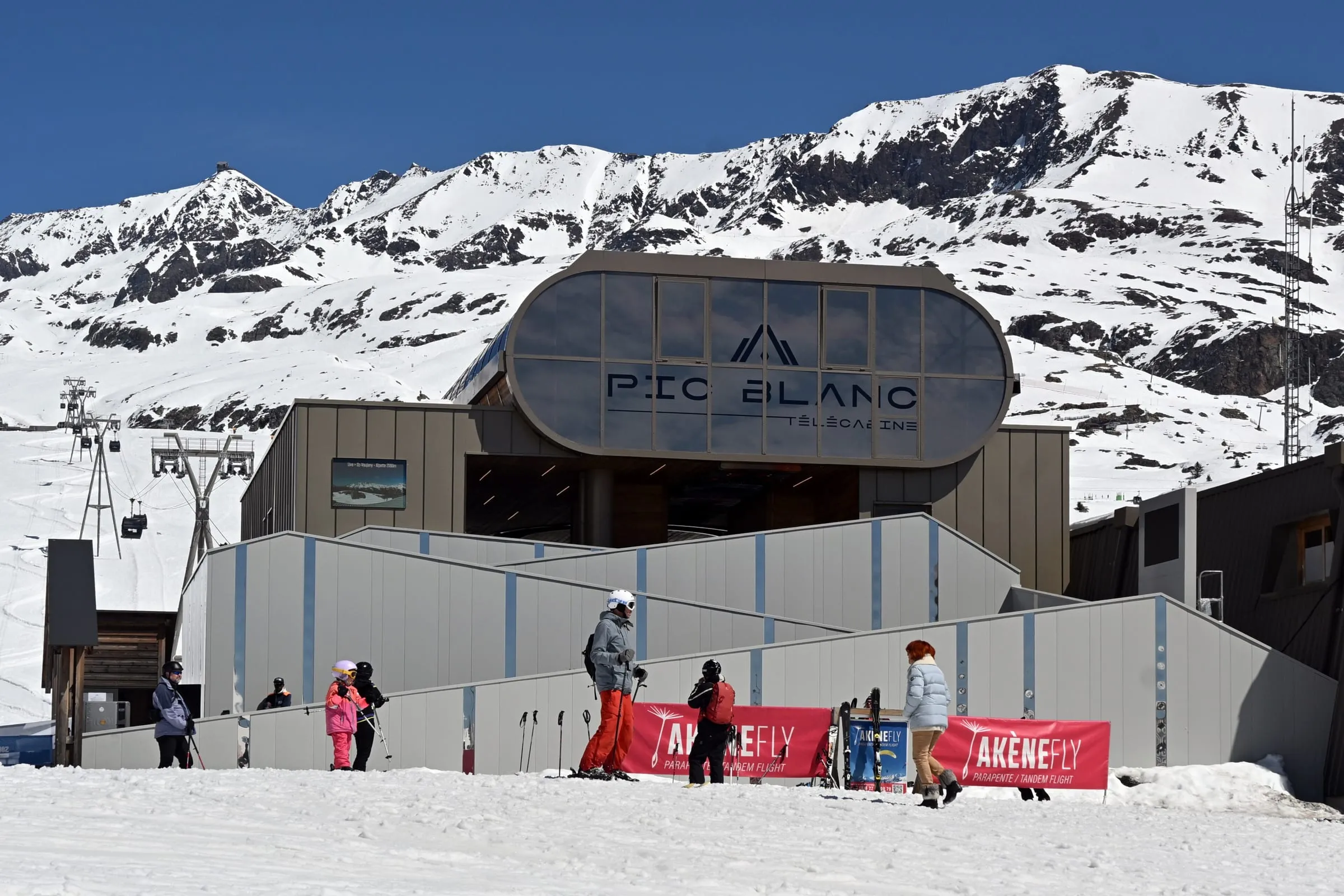
To get to the Pic Blanc, you take the Pic Blanc cable car. On busy days you can reserve a time slot for free through the resort’s “Direct to the Peak” service on its lift pass website. Bookings are optional, you need a valid pass for the day, and if you’re late your slot is cancelled.
Snow in Alpe d’Huez and the 2026/27 season
For 2026/27, the ski area is scheduled to open daily from 5 December 2026 to 25 April 2027, subject to snow.
The resort runs 1,053 snow cannons, and the high slopes towards the Pic Blanc hold snow well into spring. The south-facing aspect cuts both ways. You get sunny, warm days, but in a mild spell the lower pistes, especially around Villard-Reculas and Auris, soften quickly and are the first to suffer. In late season, ski the high runs in the morning and the lower ones while they’re soft, not slushy.
Is Alpe d’Huez good for a last-minute ski trip?
Yes, for three reasons. It’s quick to reach from Grenoble and Lyon, so you can wait for the forecast before committing. It’s big enough that a small snowfall still gives plenty of good skiing. And its altitude range, from about 1,100 m in the linked villages to 3,330 m, means there’s usually somewhere with decent snow.
Before you book, check how much of the area is open, especially the lower links and the Pic Blanc, and avoid the French February holidays if you can. Then find a place to stay in Alpe d’Huez.
Alpe d’Huez lift passes
Lift passes are sold online at the resort’s lift pass website and at three sales points: Grandes Rousses 1800, the Galerie des Bergers and the Maison de l’Alpe (tourist office). Self-service machines also let you collect online orders and reload your card. A few things worth knowing:
- Children under 5 ski free, but they still need a pass, so bring ID.
- The Family Package gives a reduced rate on four passes of the same length, with at most two adults and at least two children.
- Beginners can use the two free beginner areas without a pass.
Après-ski and things to do in Alpe d’Huez
Alpe d’Huez is a lively resort without being a party town. La Folie Douce, up on the mountain, is the best-known après spot: music, dancers and a crowd from mid-afternoon. In the village, bars such as the Underground Bar in Hotel Le Chamois and Smithy’s Tavern have live music into the evening.
Off the slopes, the resort lists rail sledging (a luge on rails), Mountain Kart, dog sledding, snowshoeing and Nordic trails. There’s also a skating rink and a sports centre with indoor and outdoor pools.
Who Alpe d’Huez suits, and who it doesn’t
- Great for: sunshine lovers, beginners (thanks to the free areas), intermediates who want variety, families, and anyone who wants a big resort within easy reach of Grenoble or Lyon.
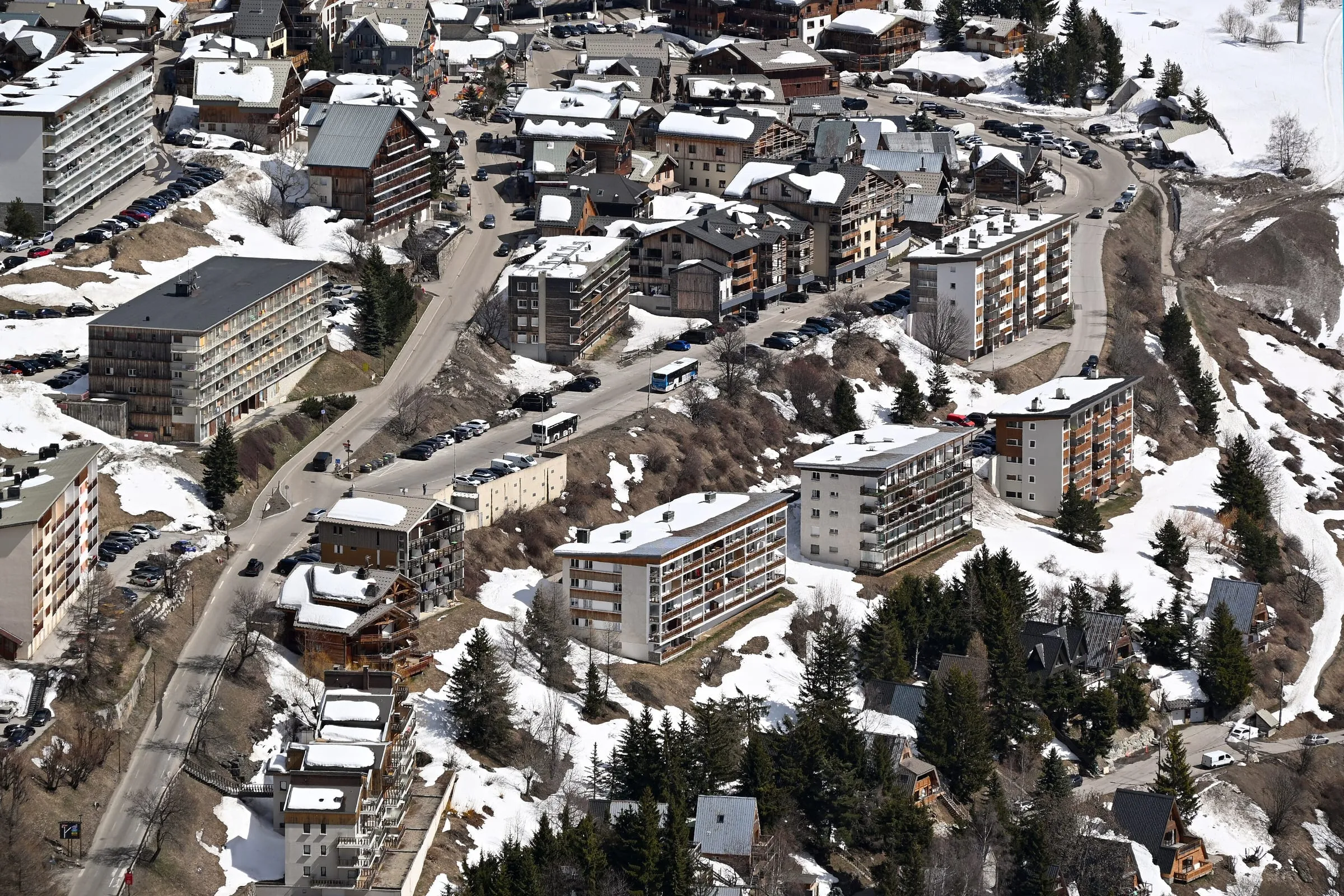
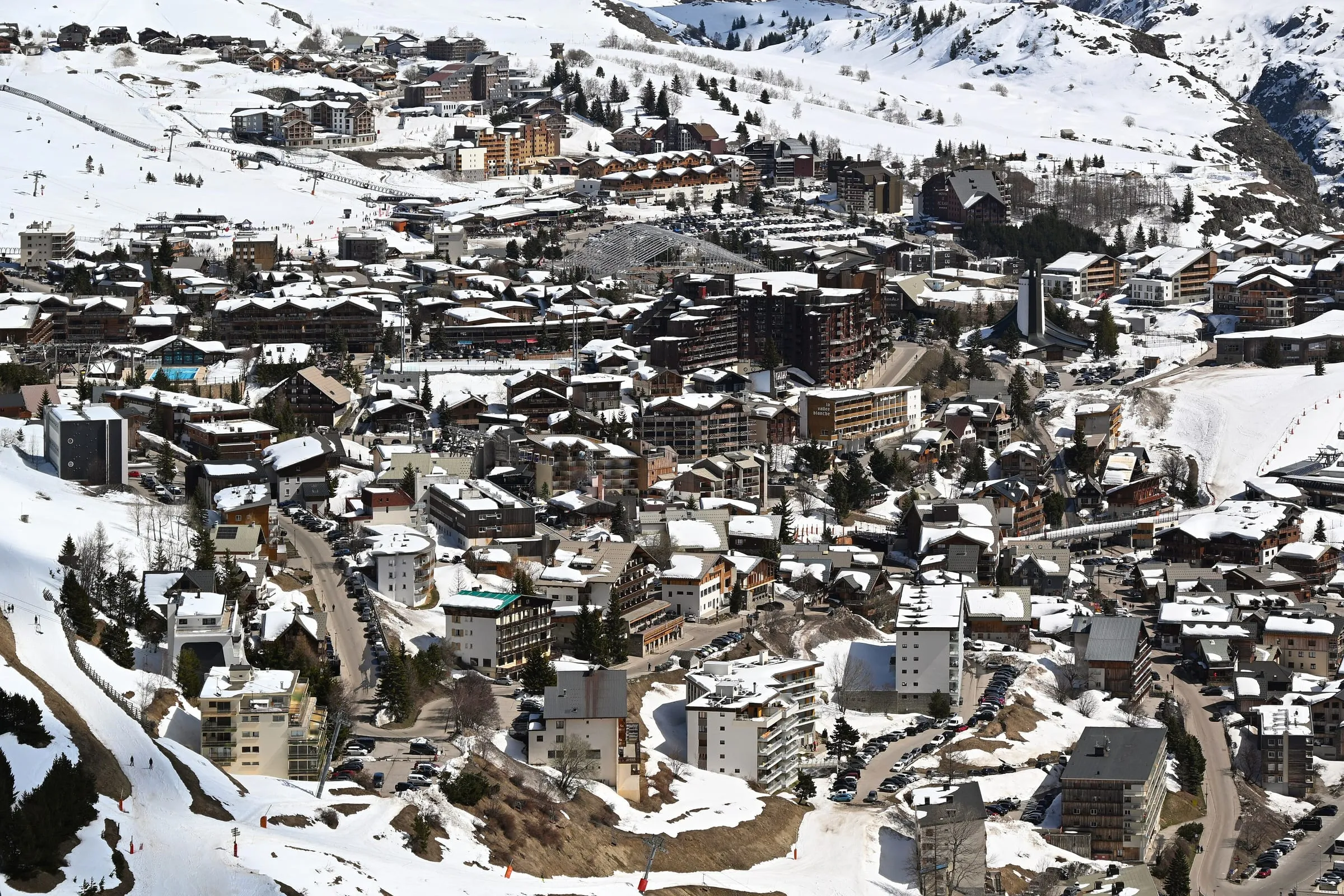
- Think twice if: you hate winding mountain roads, you want a traditional chalet village (most of Alpe d’Huez was built for skiing), or you need guaranteed powder on south-facing slopes in a warm spell.
Skiing with children? Read our guide to Alpe d’Huez with kids.
How to get to Alpe d’Huez
Driving to Alpe d’Huez
From Grenoble, take the A480 and leave at exit 8 for Vizille and the Oisans resorts. Follow the N85 and the D1091 towards Briançon to Bourg d’Oisans, about an hour from Grenoble.
The last stretch is the famous climb: about 13.8 km and 21 numbered hairpins, rising from about 720 m in Bourg d’Oisans. In snow it needs care. On peak-week Saturdays, expect queues up and down. Isère’s mountain rules apply from 1 November to 31 March: carry chains or snow socks for at least two driven wheels, or fit four winter tyres marked 3PMSF. Check conditions on itinisere.fr before you set off.
By train and bus
Take the train to Grenoble. Transaltitude buses leave from the bus station right next to the railway station, and booking online in advance is recommended. Expect around 90 minutes from Grenoble to the resort.
Nearest airports
Grenoble and Lyon are the closest airports, with transfers by bus or taxi via Grenoble.