France
 Austria
 Italy
 Switzerland
 English
 Deutsch
 Nederlands
 Español
 Čeština
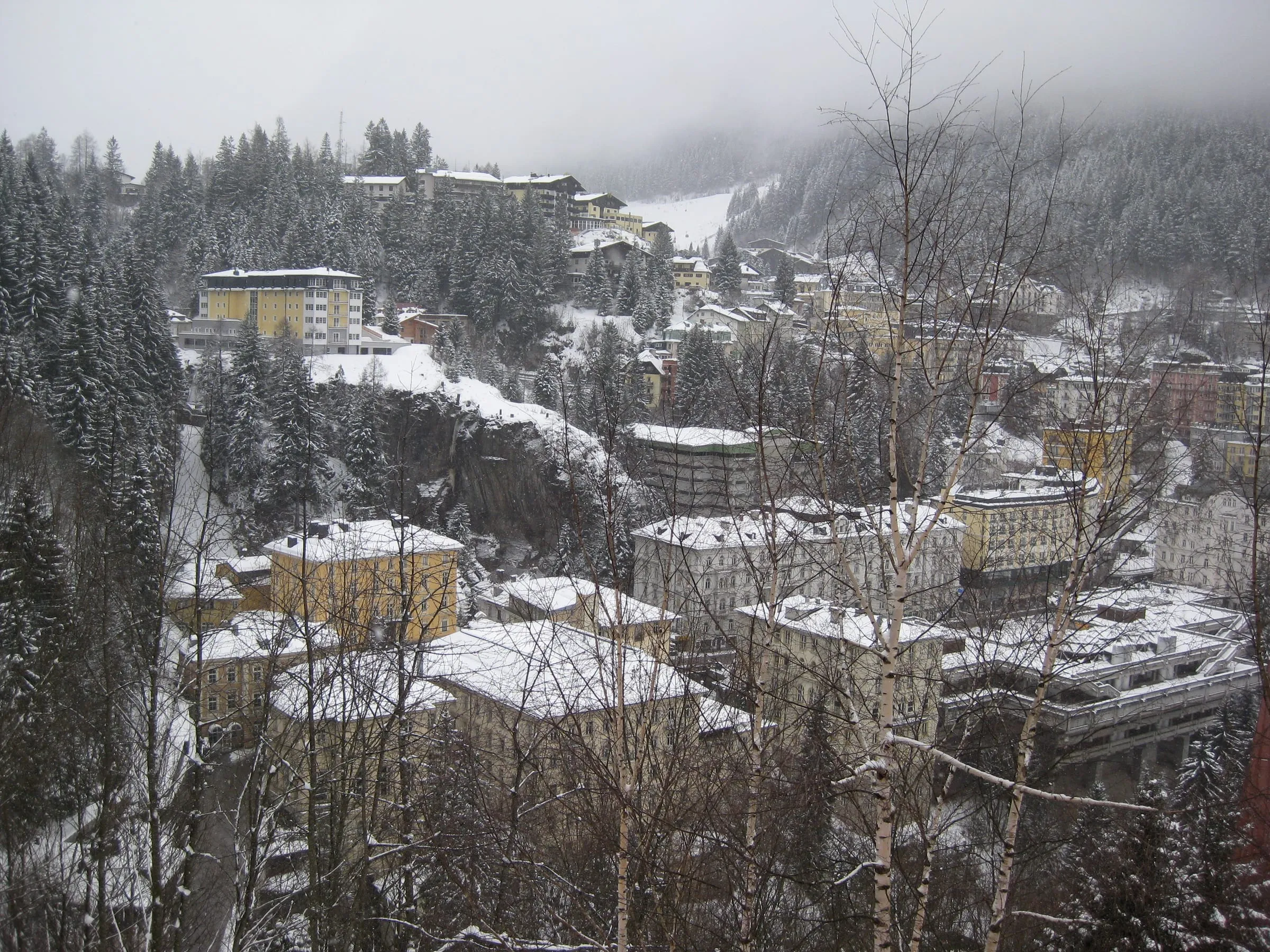
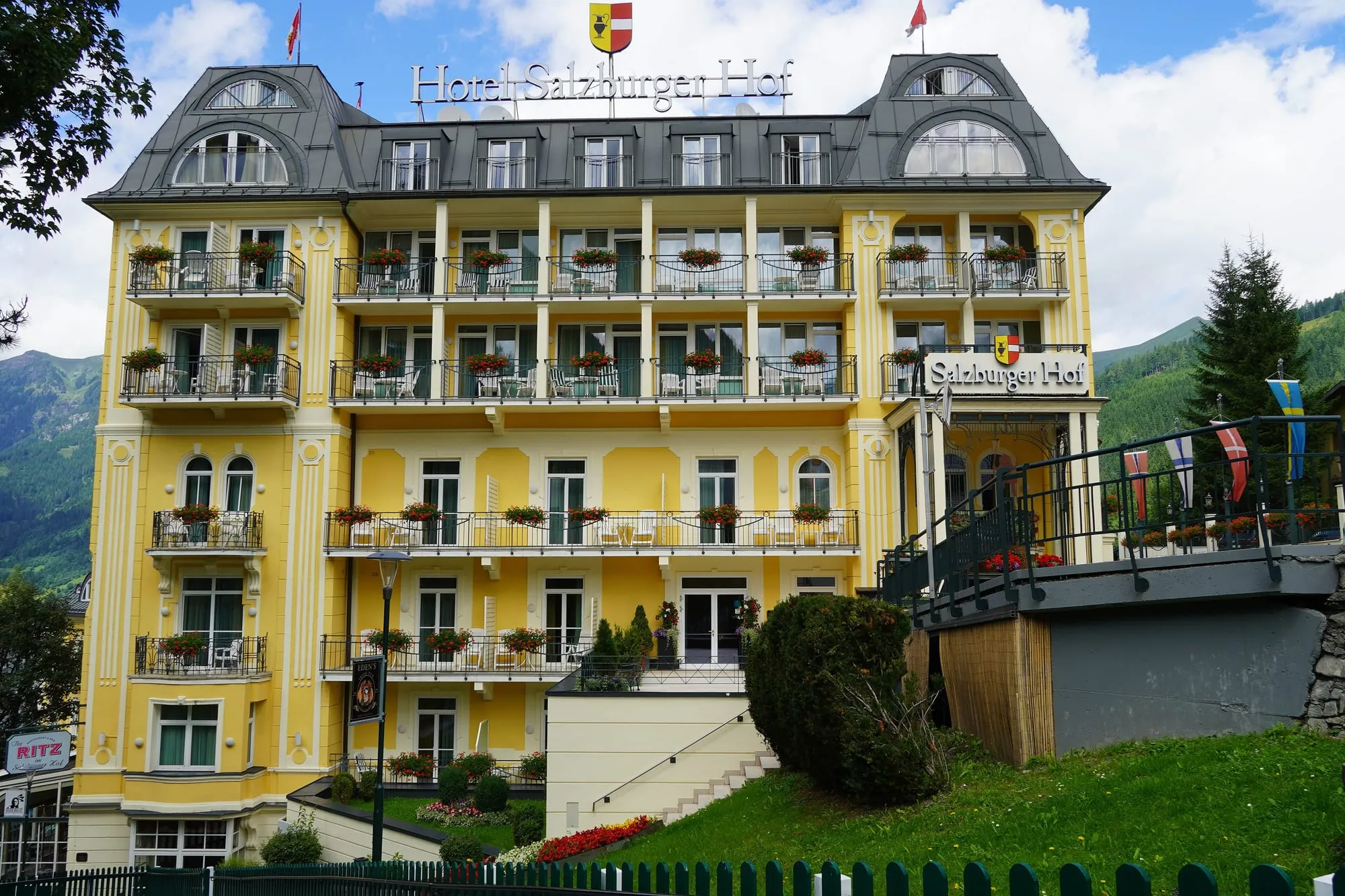
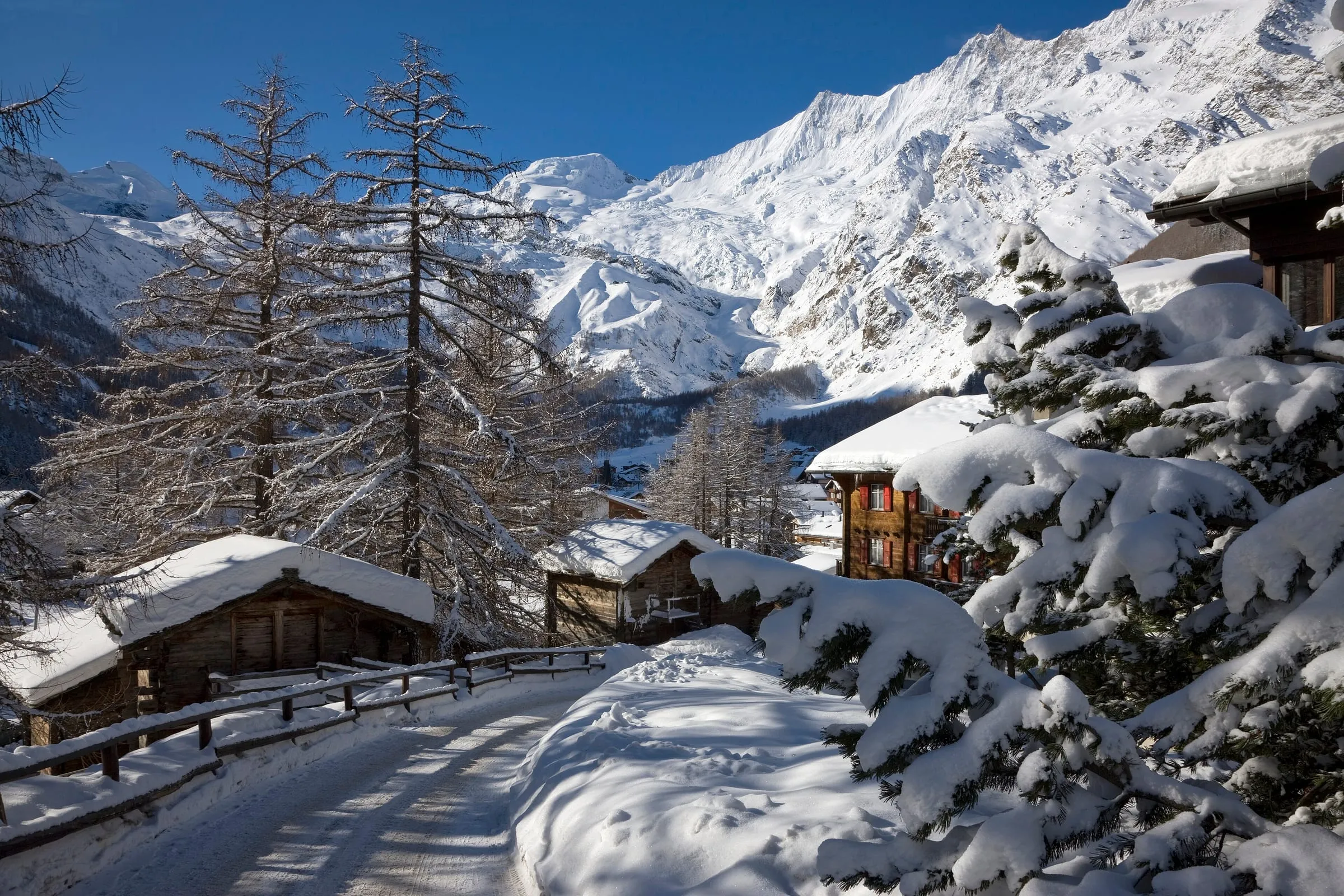
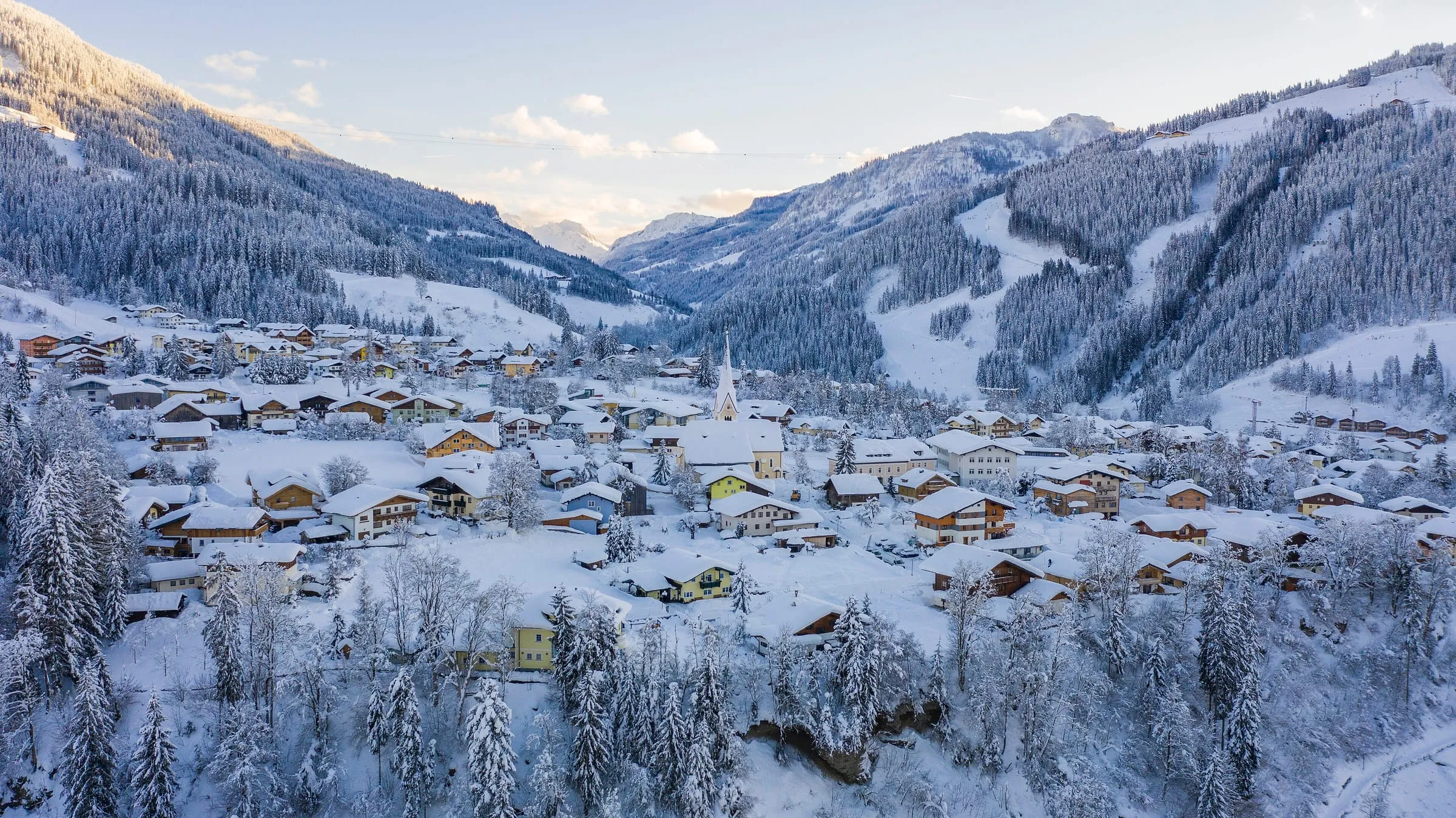
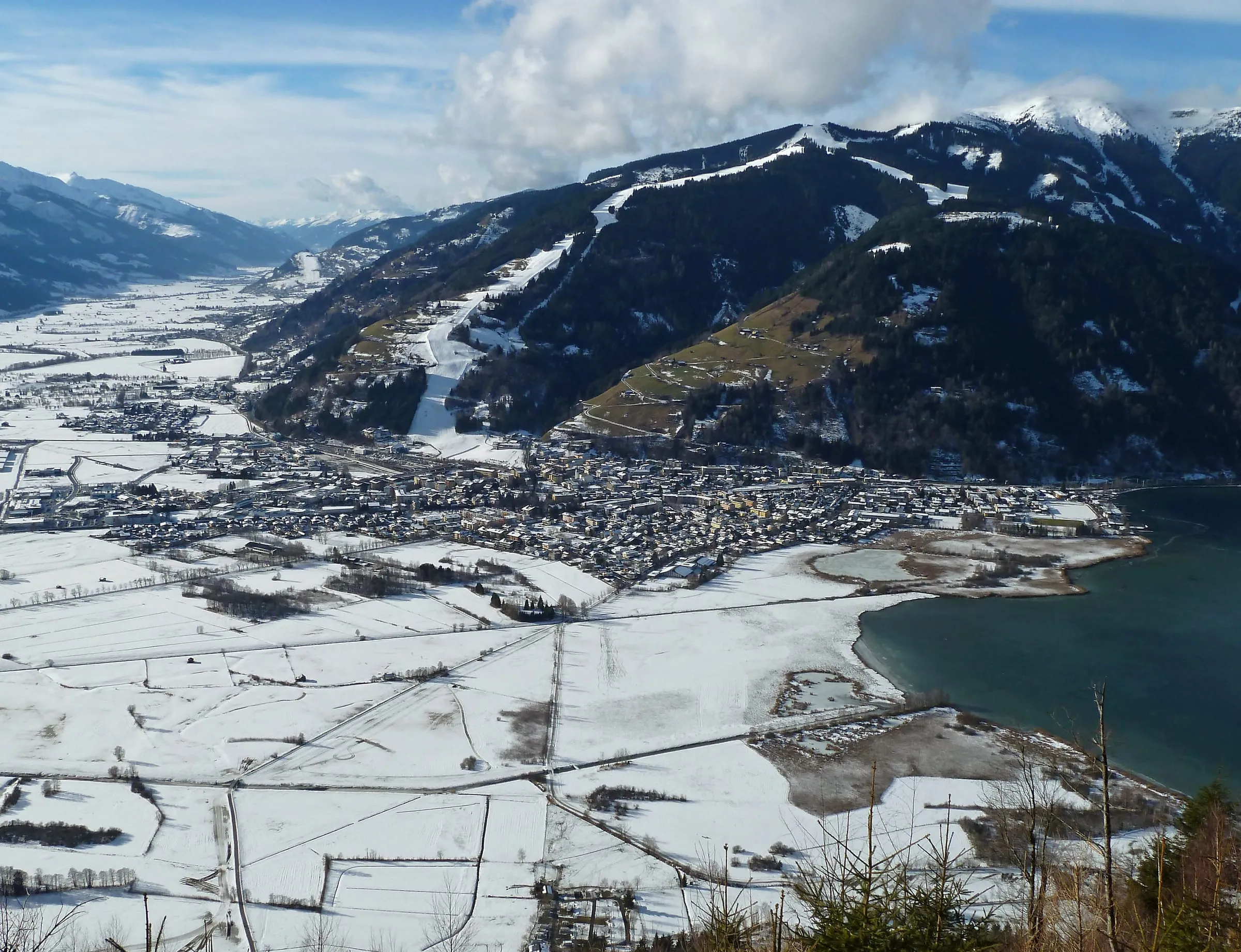
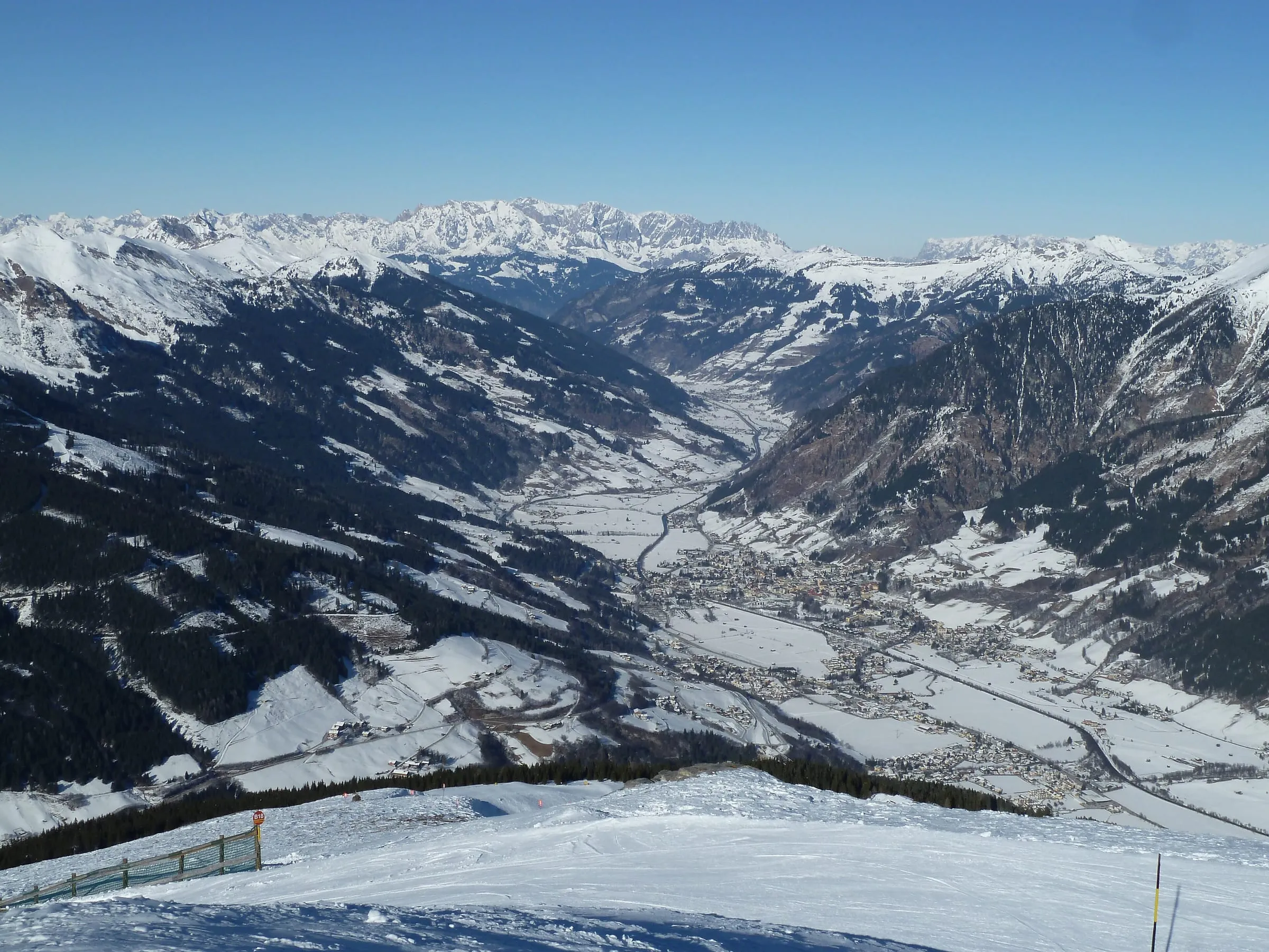
Bad Gastein is unlike any other ski resort in Austria. Built on a steep valley side at about 1,000 m, it’s a Belle Époque spa town of grand hotels, with a waterfall crashing through the middle. Empress Sisi came for the thermal water. Today, skiers come for the Gastein valley’s three ski areas: 180 km of pistes that reach 2,650 m in Sportgastein, plus two thermal spas for the end of the day.
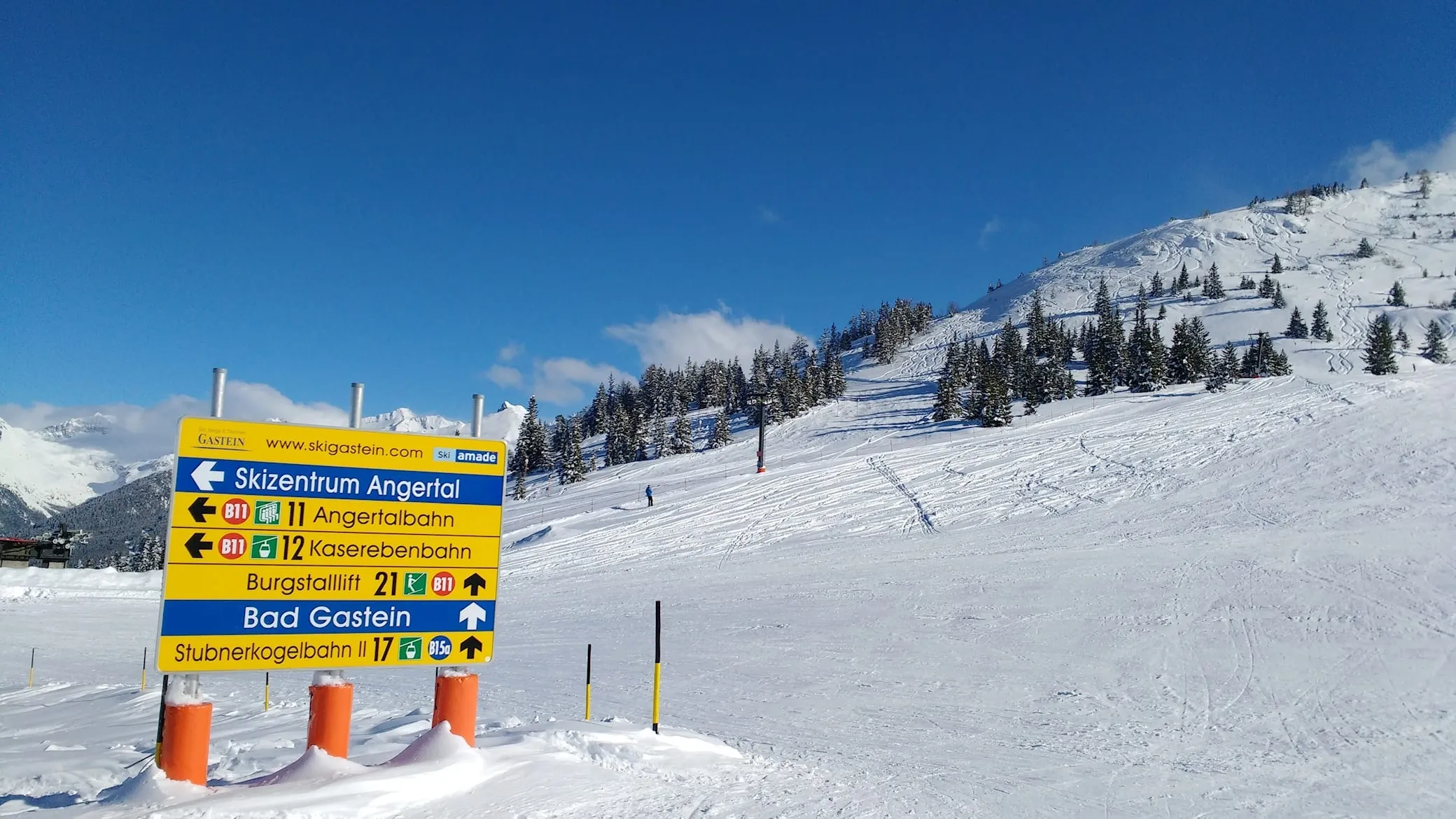
It’s also part of Ski amadé, Austria’s biggest ski network, with up to 760 km on one pass. And it’s one of the few big Austrian resorts where you can step off a train and straight onto a gondola.
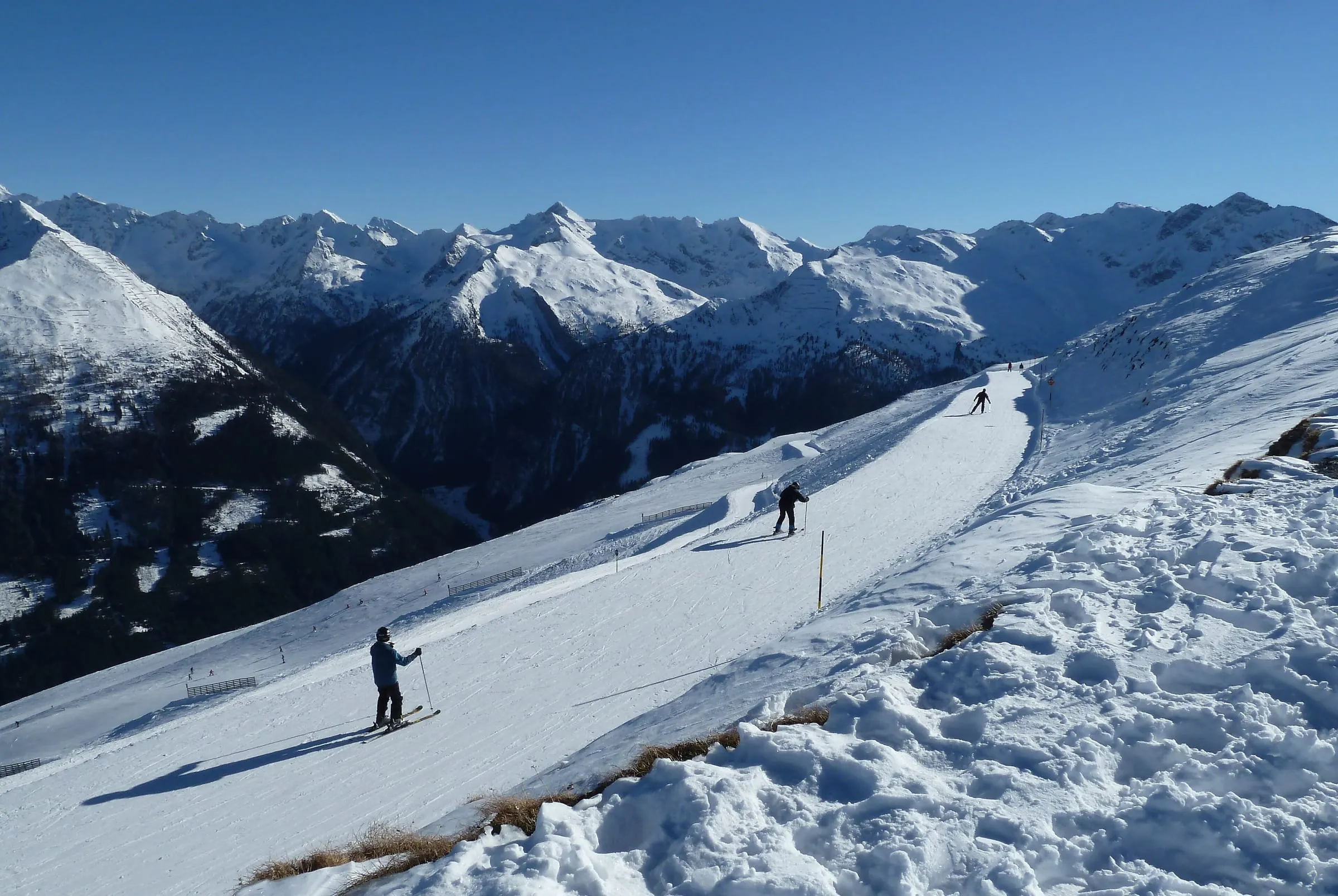
Bad Gastein ski area: three areas and 180 km in the Gastein valley
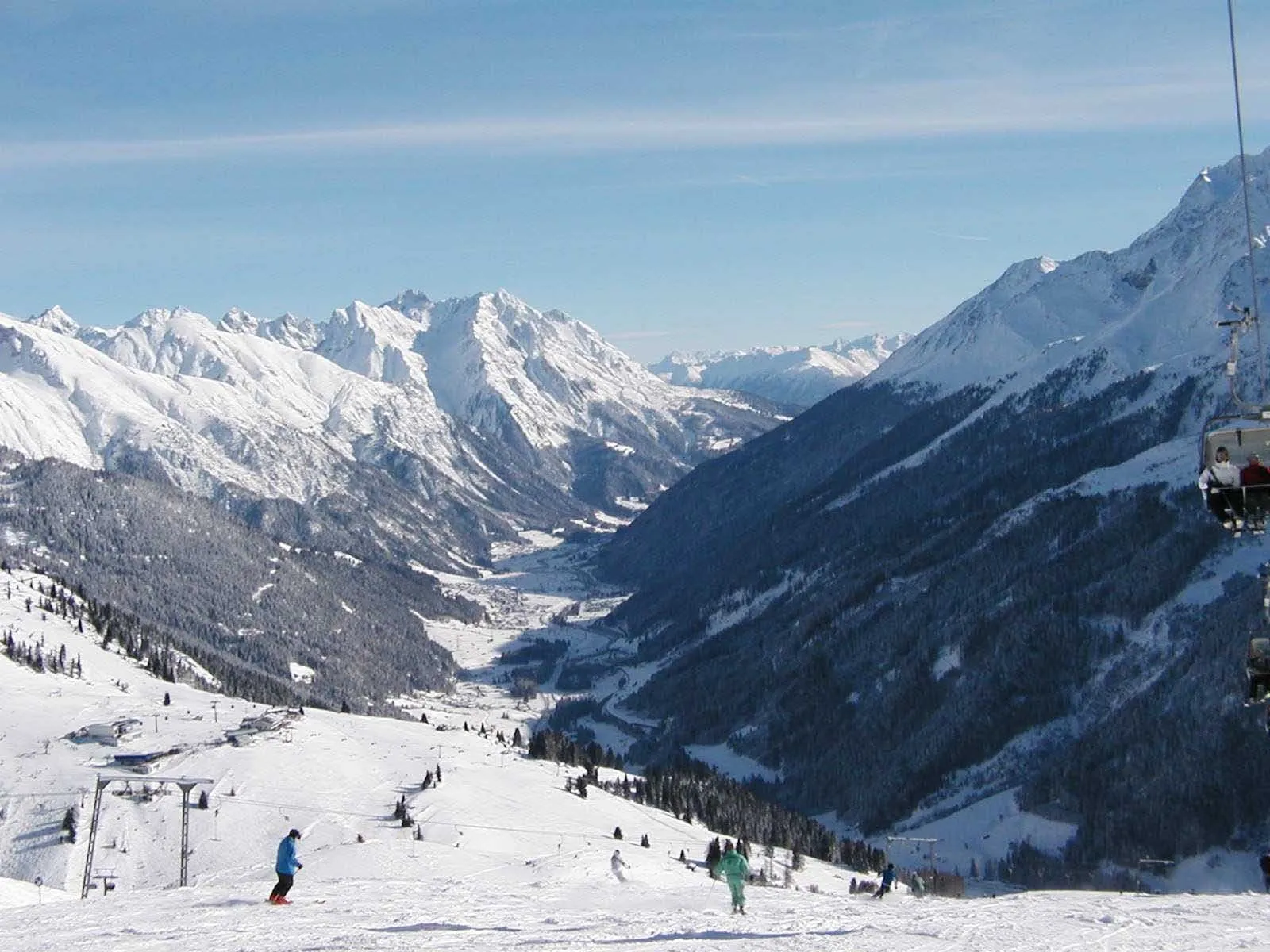
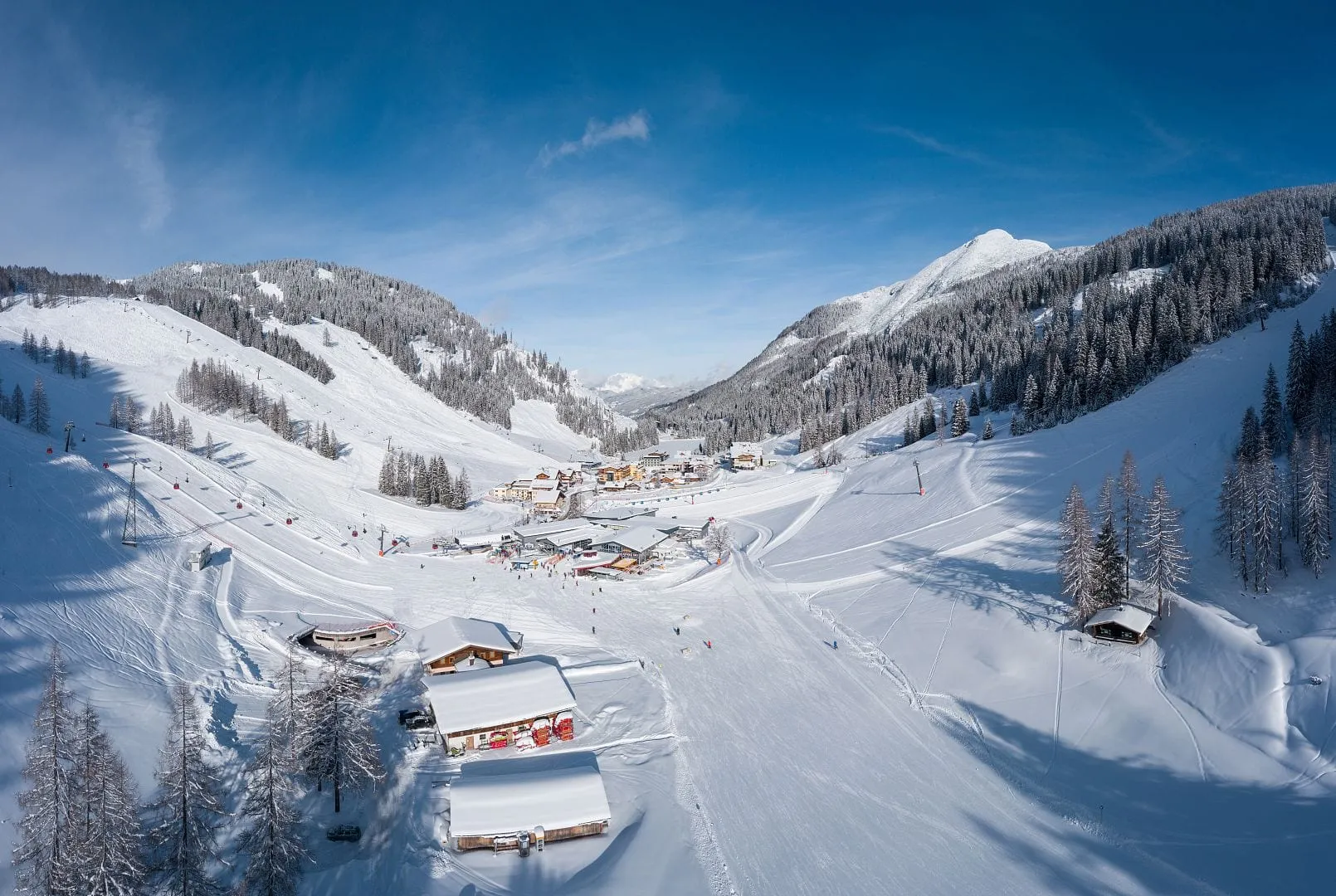
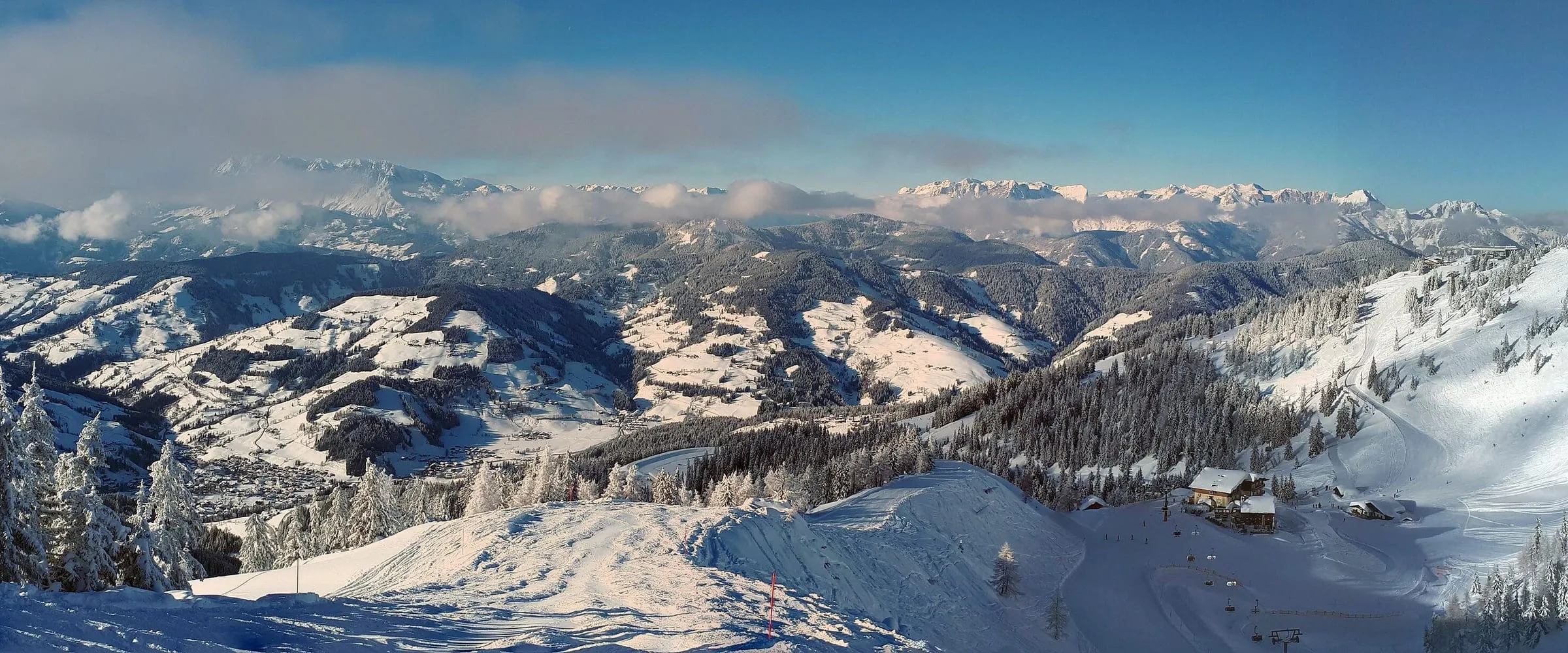
The Gastein valley’s lifts are grouped into three ski areas, linked by a free ski bus:
- Schlossalm-Angertal-Stubnerkogel is the biggest interconnected area, running from Bad Hofgastein (Schlossalm) through the Angertal to Bad Gastein’s own mountain, the Stubnerkogel. This is where most people ski.
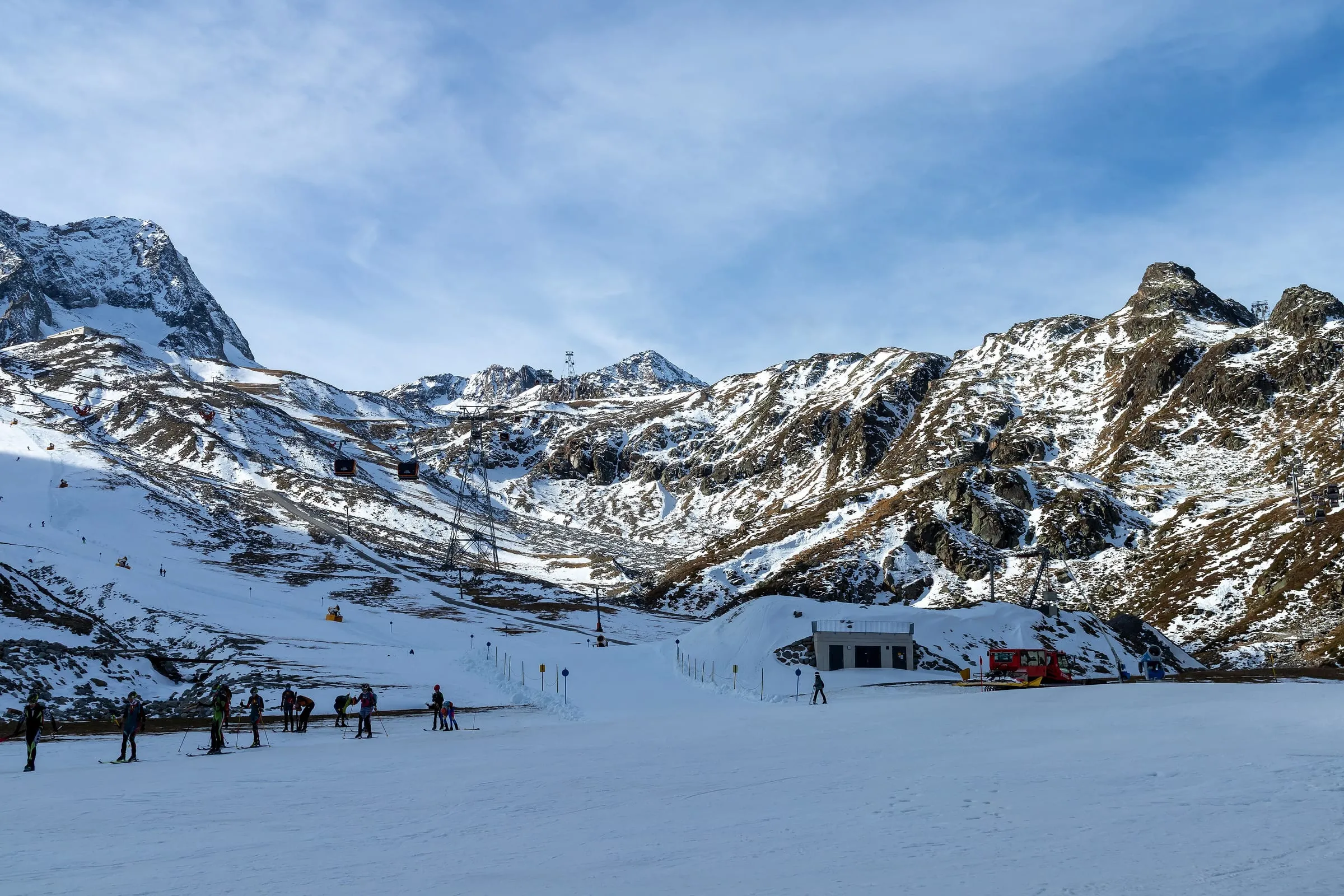
- Sportgastein, at the head of the valley above Böckstein, has 24 km of pistes between 1,590 m and 2,650 m, the highest skiing in Ski amadé, and the valley’s best freeride terrain.
- Dorfgastein-Großarltal, at the northern end, has about 70 km of gentle pistes up to 2,033 m, shared with Großarl in the next valley.
Bad Gastein also has its own smaller mountain, the Graukogel, east of the town. Its 2026/27 dates weren’t published when we checked, so look at the lift company’s website before you plan around it.
Skiing in Bad Gastein for beginners
Beginners usually start in the Angertal, where the XXL GASTI Park is described by the tourist office as one of the largest children’s and beginners’ areas in the Alps, or at the GASTI Park on the Stubnerkogel. For gentle blue runs after that, Dorfgastein-Großarltal is the area the tourist office recommends for a relaxed start.
Skiing in Bad Gastein for intermediates
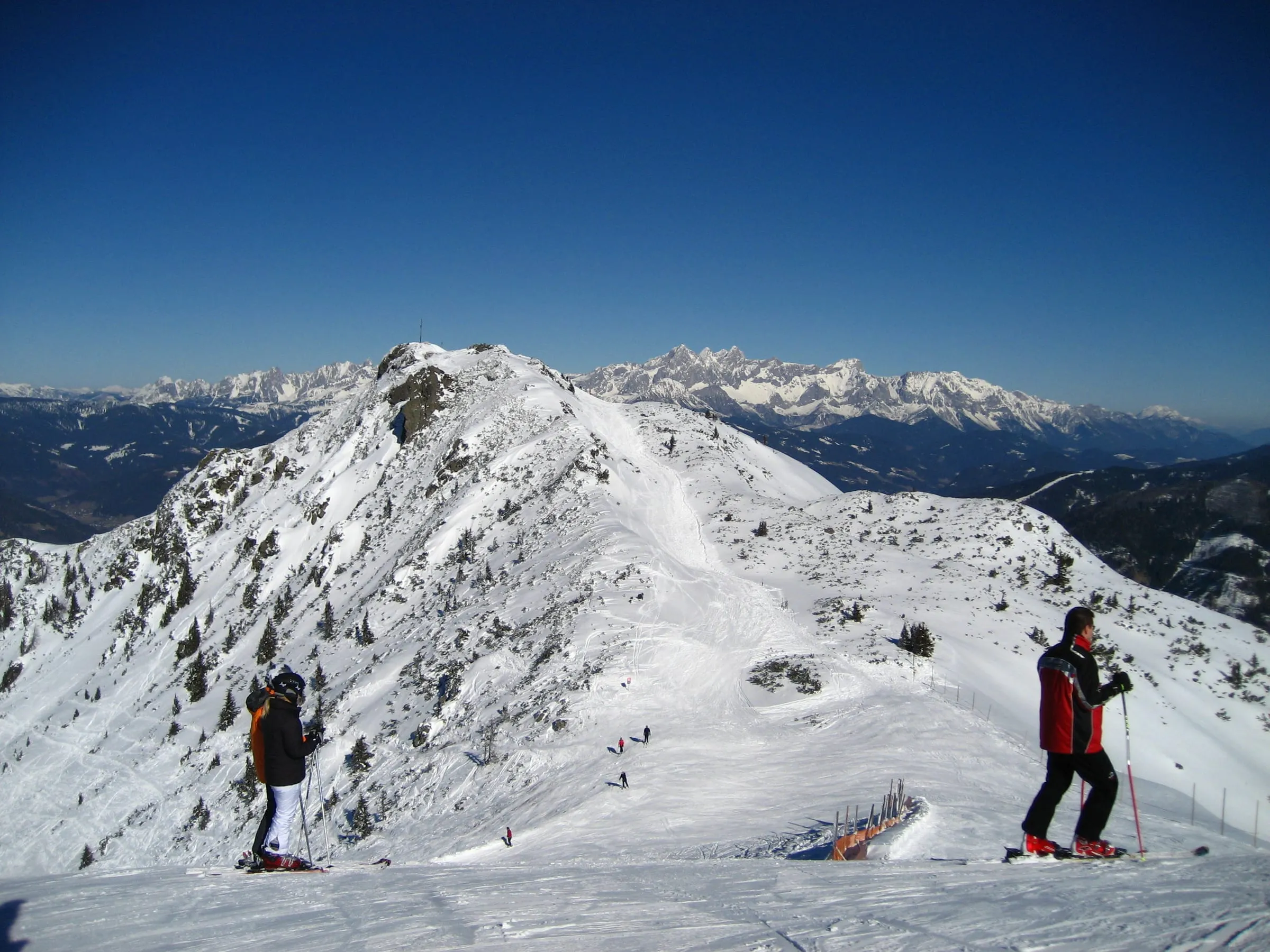
Intermediates get the most out of the Schlossalm-Angertal-Stubnerkogel link. You can ski from one end to the other and back, with long valley runs and wide, open slopes on the Schlossalm. The tourist office says that within this area, you can get around on skis without a bus or car. Add a day in Dorfgastein-Großarltal for variety.
Skiing in Bad Gastein for experts
Strong skiers should head to the Stubnerkogel’s steeper runs and, above all, to Sportgastein. The Skigastein Heroes, three marked “hero routes”, pick out the most demanding and scenic runs. Off-piste, Sportgastein is the place to be (see below).
Sportgastein and the Stubnerkogel: Bad Gastein’s high-altitude skiing
Sportgastein is Bad Gastein’s trump card. It sits beside the core zone of the Hohe Tauern National Park, its lifts run from 1,590 m to 2,650 m, and it’s a magnet for freeriders. Three official ski routes, Golden Powder, Golden Rush and Golden Ride, take you off the groomed runs without being fully off-piste. The Freeride Info Base at the Goldbergbahn mountain station explains the kit, rules and current hazards, and there’s an Avalanche Training Center. Never go into unsecured terrain without a transceiver, shovel and probe, and hire a guide if you don’t know it.
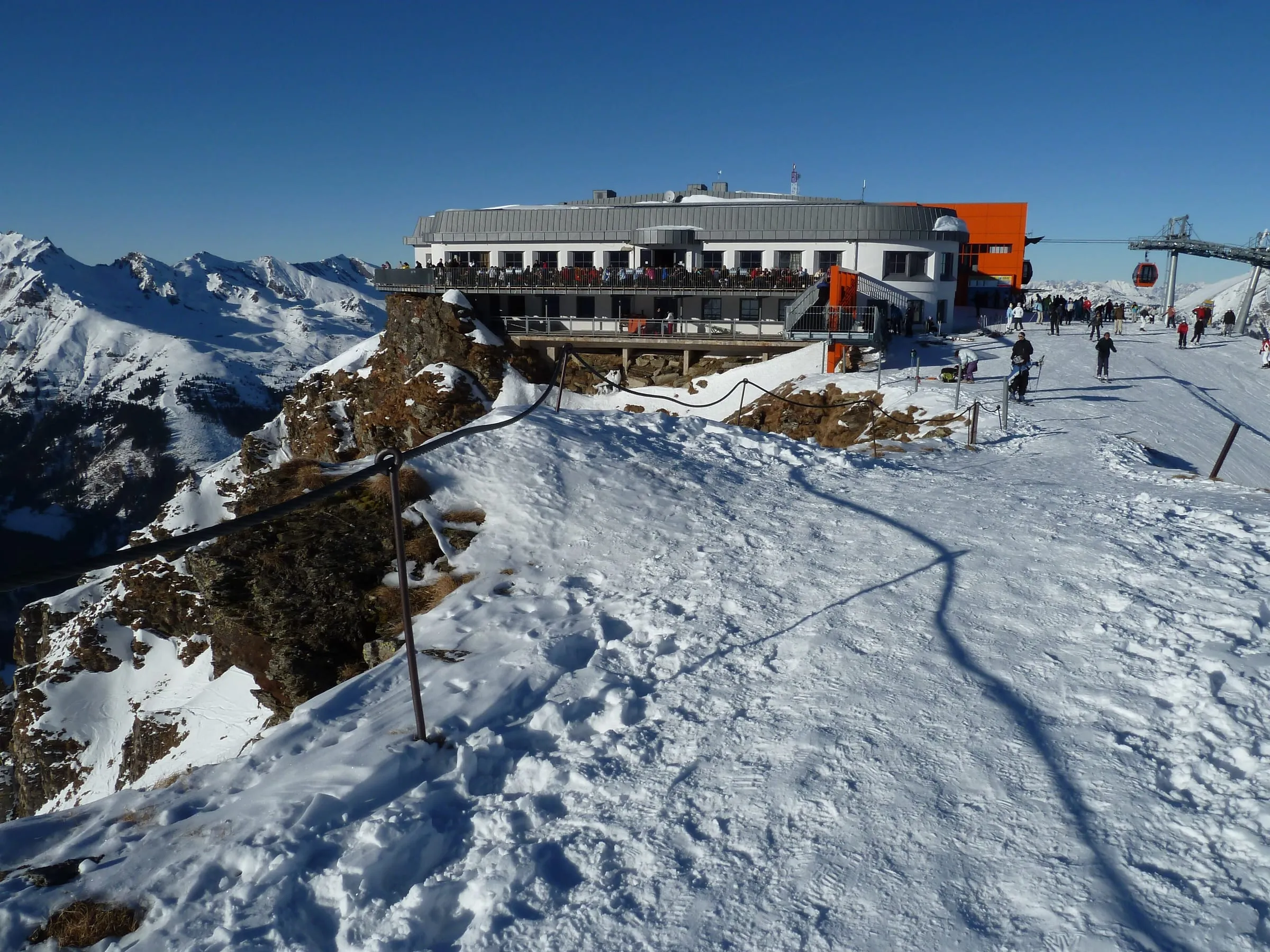
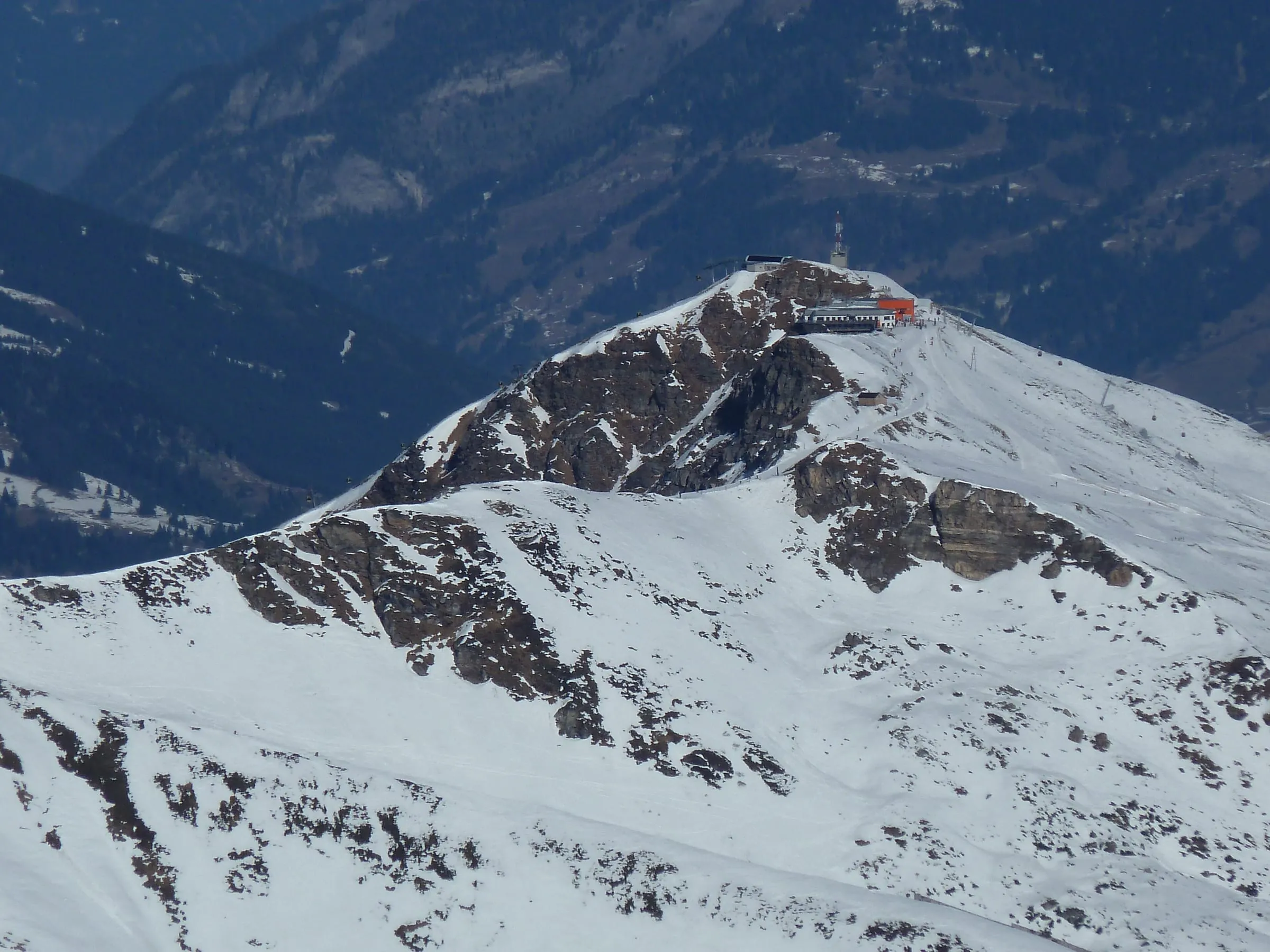
The Stubnerkogel is the other highlight. Next to the top station there’s a suspension bridge and the Glocknerblick viewing platform.
Snow in Bad Gastein and the 2026/27 season
For 2026/27, the lift company expects:
- Schlossalm and Stubnerkogel: partial operation from 27 November 2026.
- Angertal training area and GASTI Park: from 4 December 2026.
- Schlossalm-Angertal-Stubnerkogel link: daily from 11 December 2026 to 4 April 2027, with partial operation on the Schlossalm until 11 April.
- Sportgastein: the Gastein Classics weekend from 11 to 13 December, then daily from 18 December 2026 to 11 April 2027, then weekends until 2 May 2027.
- Dorfgastein-Großarltal: 4 December 2026 to 4 April 2027.
Lifts run from 8.30 am to 4 pm. All dates depend on snow. The skiing goes high enough to hold its snow well, but the town is at about 1,000 m and the long runs down to the valley are the first to suffer in a warm spell.
Is Bad Gastein good for a last-minute ski trip?
Yes, for two reasons. First, Sportgastein gives you skiing up to 2,650 m and a season that runs into May, so there’s usually somewhere with good snow even when the lower slopes are struggling. Second, it’s easy to reach at short notice by train, with Railjet and Intercity services stopping right by the gondola.
If the snow is thin, ski high: start on the Stubnerkogel or take the bus to Sportgastein, and ride the gondolas down. Check the open lifts before you book, then find a place to stay in Bad Gastein.
Bad Gastein lift passes
- A Skigastein pass covers the three Gastein ski areas, and a Ski amadé pass covers 25 resorts across five regions: Gastein, Schladming-Dachstein, Salzburger Sportwelt, Hochkönig and Großarltal.
- Children up to 6 (born 2021 or later) ski free.
- Booking online in advance saves up to 15%.
- Holders of an Austrian Klimaticket get 15% off day tickets at the Gastein lift ticket offices.
- A ski and spa ticket combines lift passes with entry to the thermal spas.
- With a valid ski pass or ski kit, the ski buses around the valley are free.
Après-ski and things to do in Bad Gastein
The thermal spas are the big difference here. Felsentherme in Bad Gastein, at around 1,100 m, is built into the mountain and fed by 17 natural springs, with a panoramic outdoor pool, a 25 m sports pool, a sauna area and a 70 m slide. In Bad Hofgastein, Alpentherme covers 36,000 m², with two thermal bathing lakes and one of the largest sauna complexes in the Alps. Bad Gastein’s Healing Gallery combines warmth, humidity and natural radon.
For après-ski, the town’s hotels run bars and pubs, and the Ö3 Gastein Sounds festival on 11 and 12 December 2026 marks the start of the season with live music, including Paul Kalkbrenner. Off the slopes, there’s floodlit night sledding at the Bellevue Alm, a toboggan run on the Schlossalm, about 40 km of cross-country trails (including a high trail in Sportgastein at about 1,600 m), winter walks, ski touring and a winter mountain cart at Fulseck in Dorfgastein. And don’t miss the waterfall in the middle of town.
Who Bad Gastein suits, and who it doesn’t
- Great for: freeriders, spring skiers, train travellers, couples who want spa and skiing in one trip, and anyone who likes a resort with character rather than chalets.
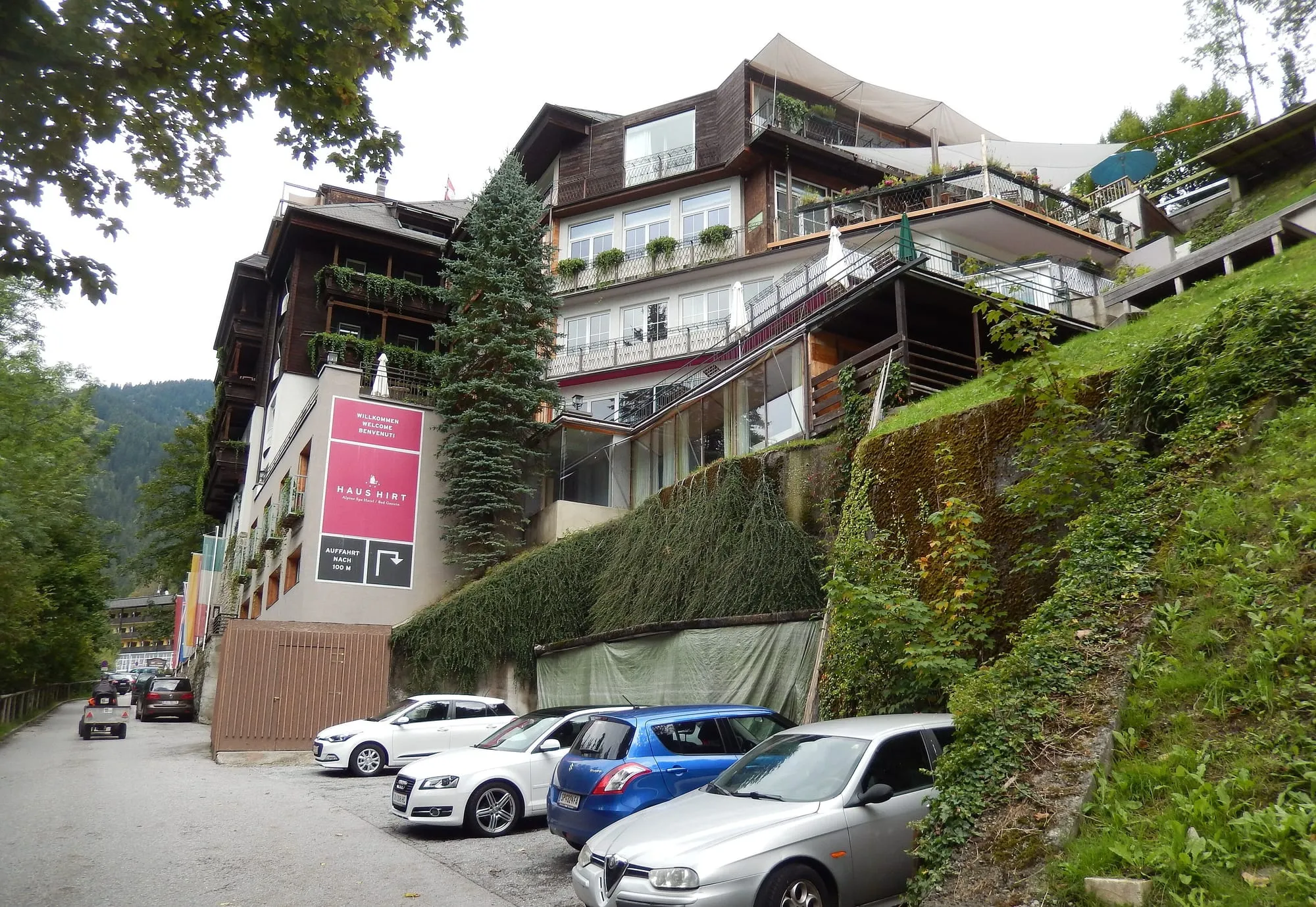
- Think twice if: you want ski-in/ski-out from your hotel door (Bad Gastein is a steep town and most hotels are a walk or bus ride from the lifts), you need all your skiing linked (Sportgastein and Dorfgastein are a bus ride away), or you want a cosy traditional village. Even its own hoteliers talk about its “morbid charm”: this is a faded grand spa town, not a polished resort.
Travelling with children? Read Bad Gastein with kids.
How to get to Bad Gastein
Driving to Bad Gastein
From Salzburg, take the A10 Tauern motorway south to Bischofshofen and leave at the Gasteinertal exit. It takes about an hour from Salzburg and two from Munich, and the valley is about 90 km south of Salzburg. You need an Austrian motorway vignette, and Austrian rules require winter tyres in wintry conditions from 1 November to 15 April. Note: the Tauern Tunnel car shuttle between Böckstein and Mallnitz is closed from 8 February to 9 July 2027, so you can’t use it to reach Bad Gastein from Carinthia in that period.
By train and bus
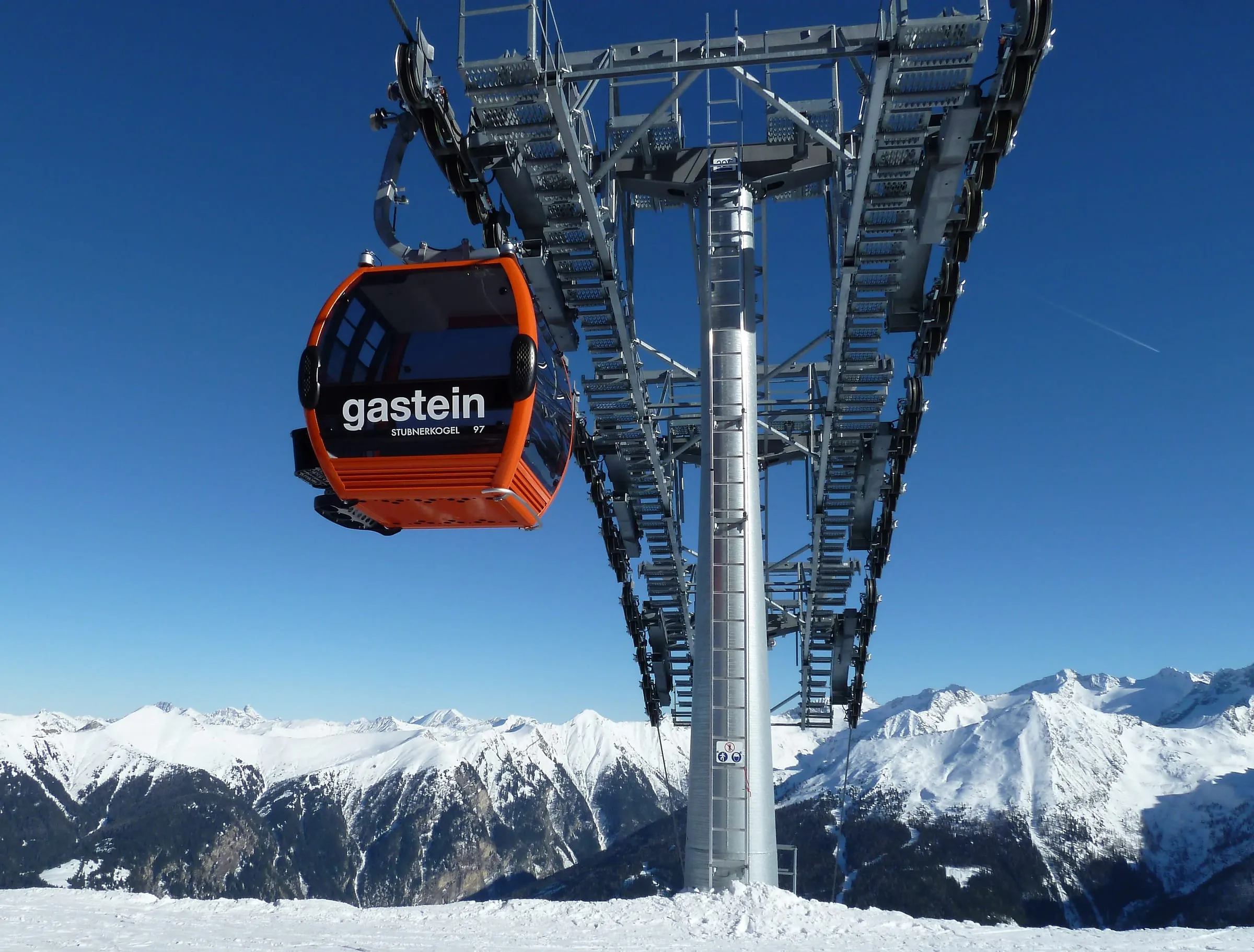
Bad Gastein, Bad Hofgastein and Dorfgastein all have stations on the Tauern railway. Railjet and Intercity trains run direct from cities including Munich, Vienna, Salzburg, Innsbruck, Stuttgart and Hamburg. At Bad Gastein, the station is directly connected to the Stubnerkogel gondola, which the lift company calls “Train in – Ski out”. From 8 February to 9 July 2027, the Tauern rail tunnel south of Böckstein is closed for modernisation: trains from the north still run, but there’s a replacement bus from the south and night trains are rerouted.
Nearest airports
Salzburg is the nearest airport, about 90 km away, with Munich further north. From both you can continue by train.