France
 Austria
 Italy
 Switzerland
 English
 Deutsch
 Nederlands
 Español
 Čeština
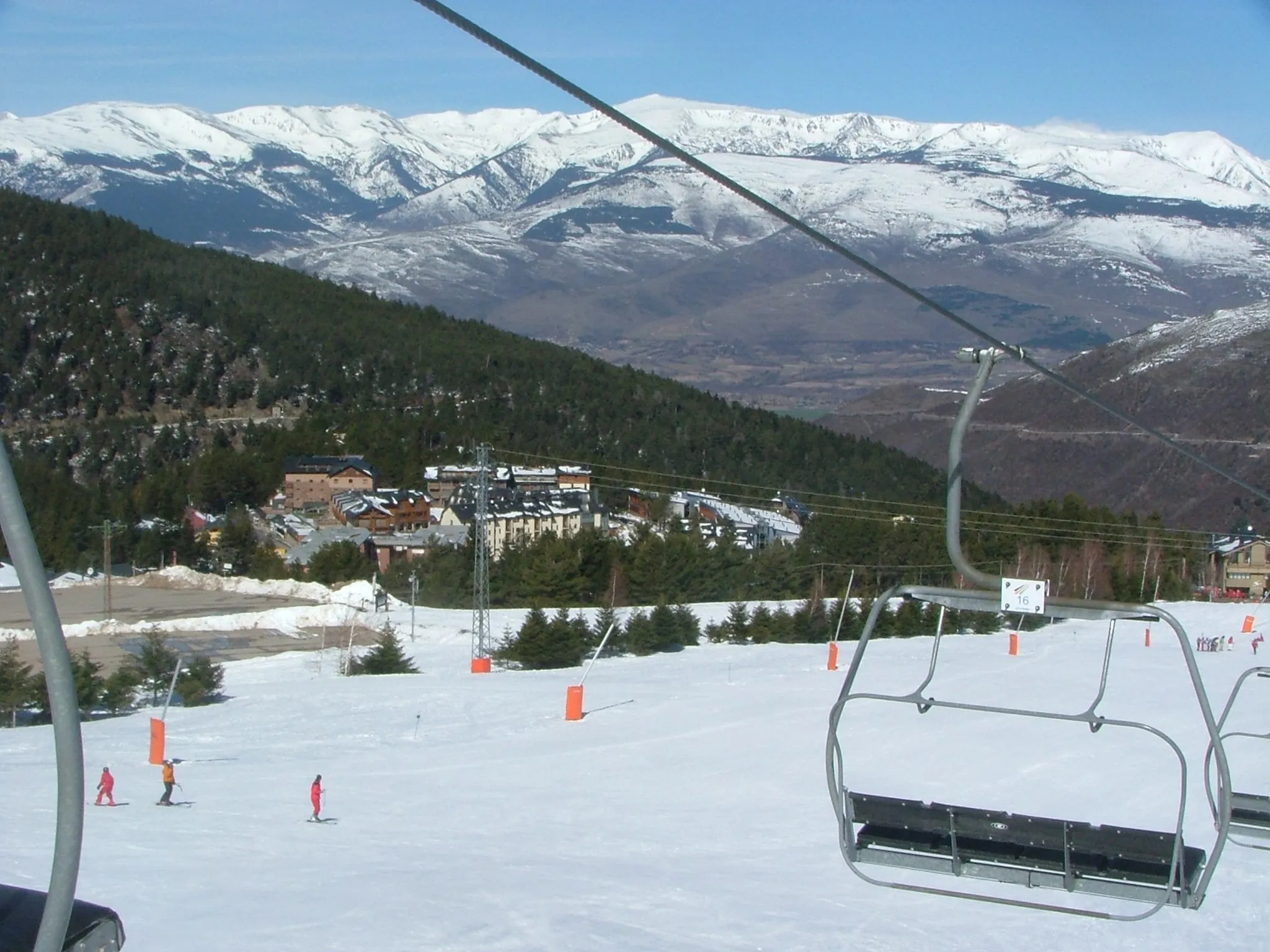
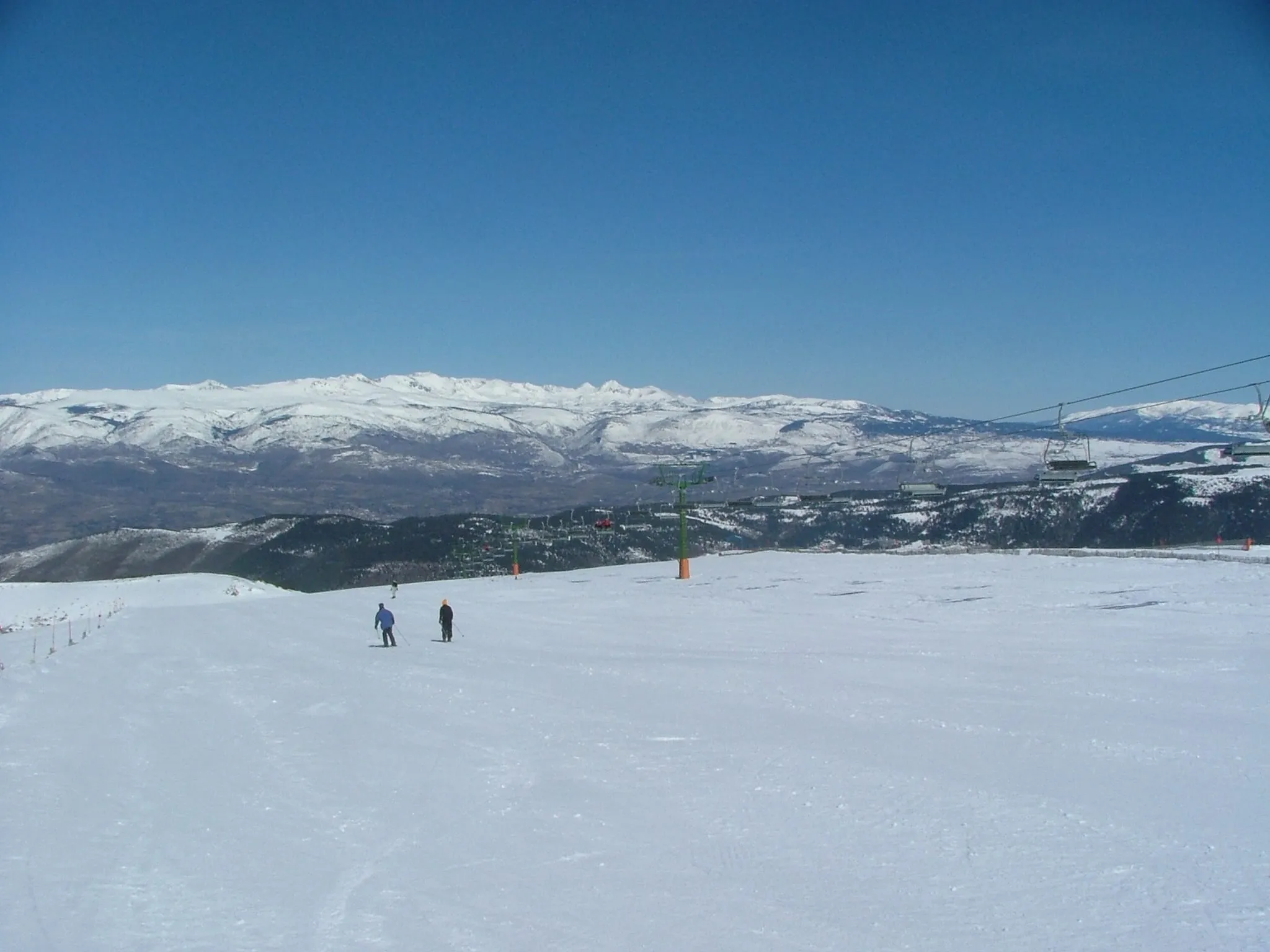
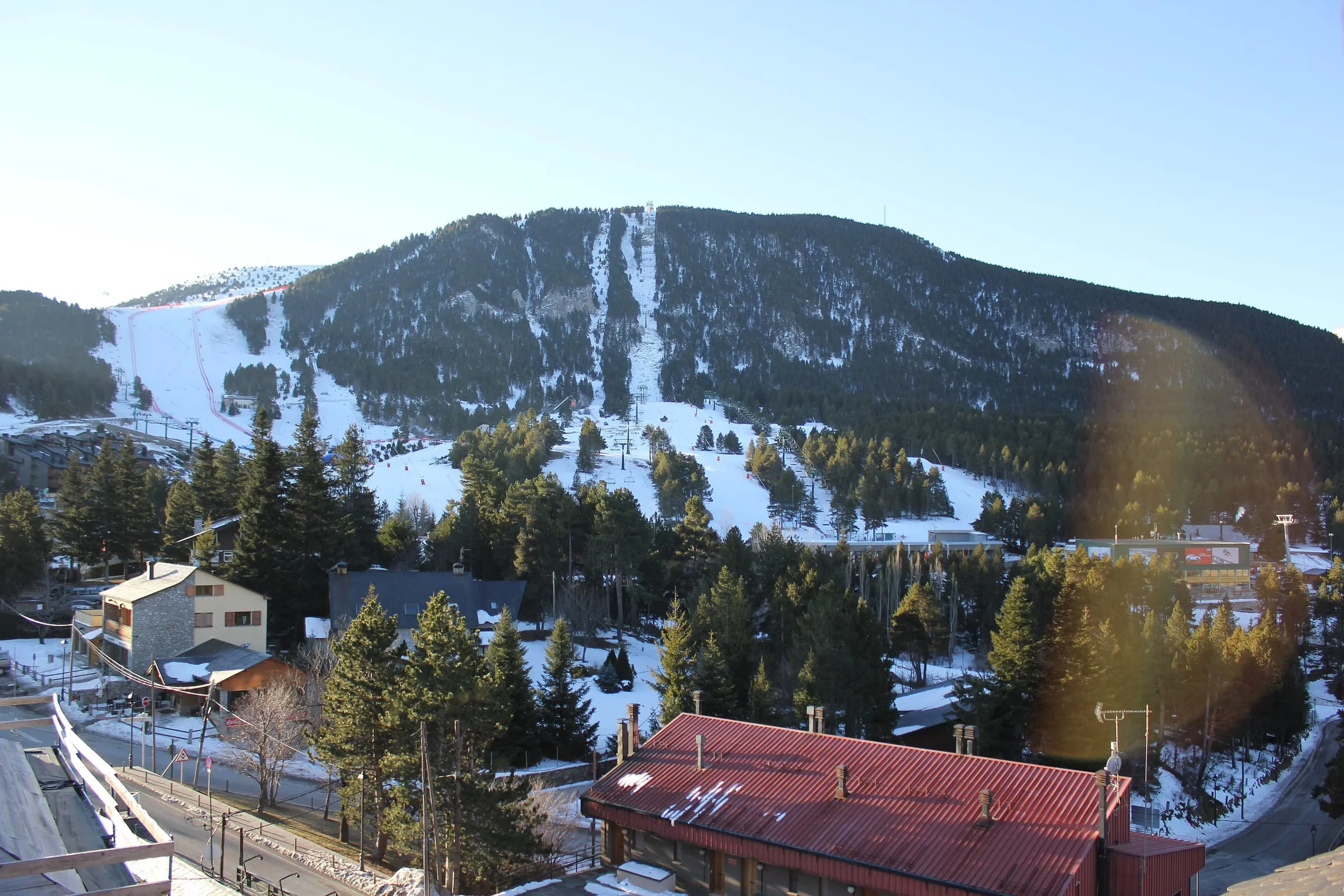
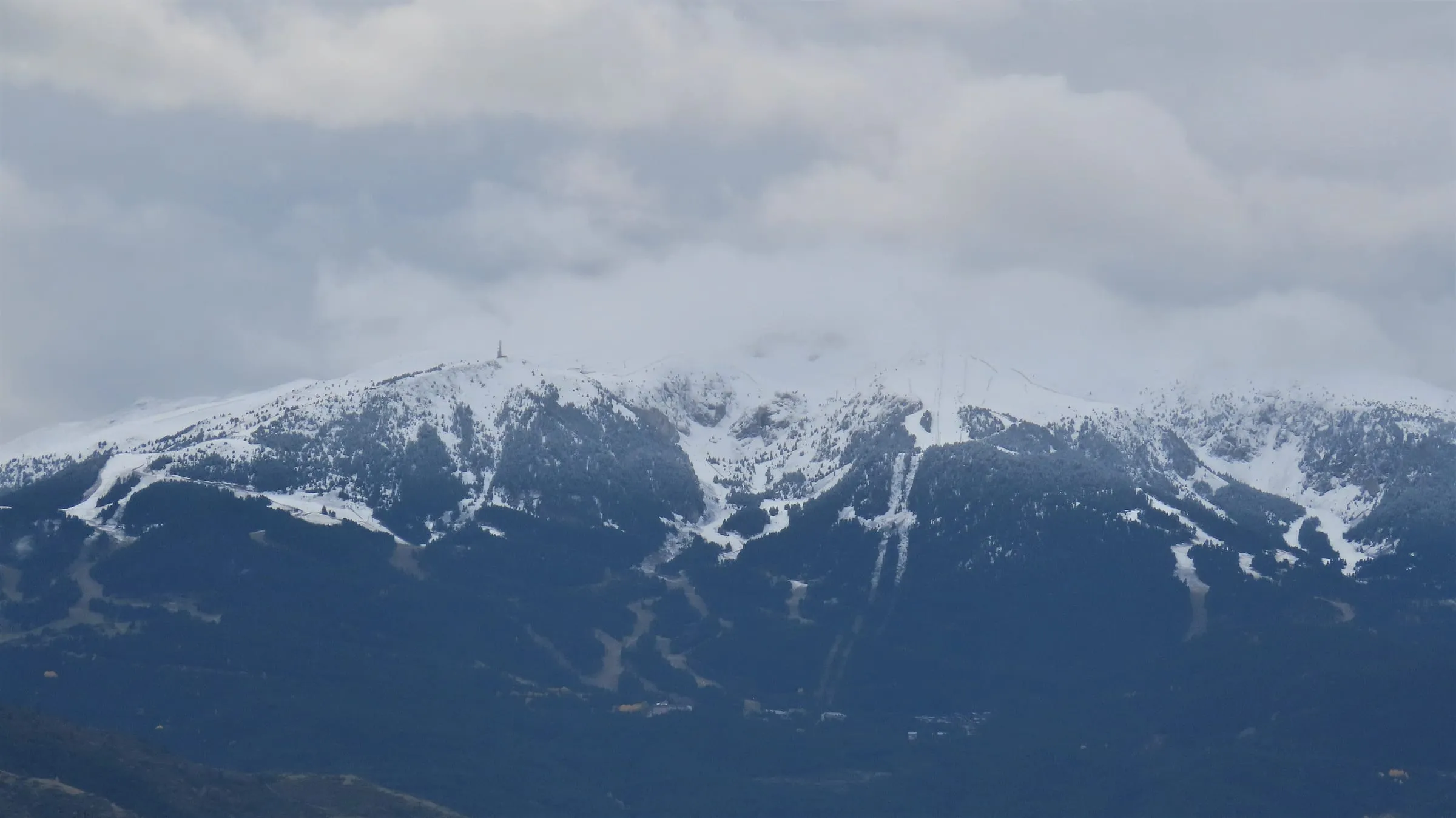
La Molina is where Spanish skiing started. The resort calls itself the oldest in Spain, and it’s still one of the best known in the Catalan Pyrenees: 71 km of pistes, 67 runs and 16 lifts on the Cerdanya side of the Tosa d’Alp, run by the Catalan railway company FGC under its Pirineu365 brand.
It’s also half of something bigger. La Molina links with its neighbour Masella to form Alp 2500, a single ski area with 145 km of pistes, 131 runs and 33 lifts, topping out at 2,537 m. And unusually for the Pyrenees, it has its own railway station on the line from Barcelona.
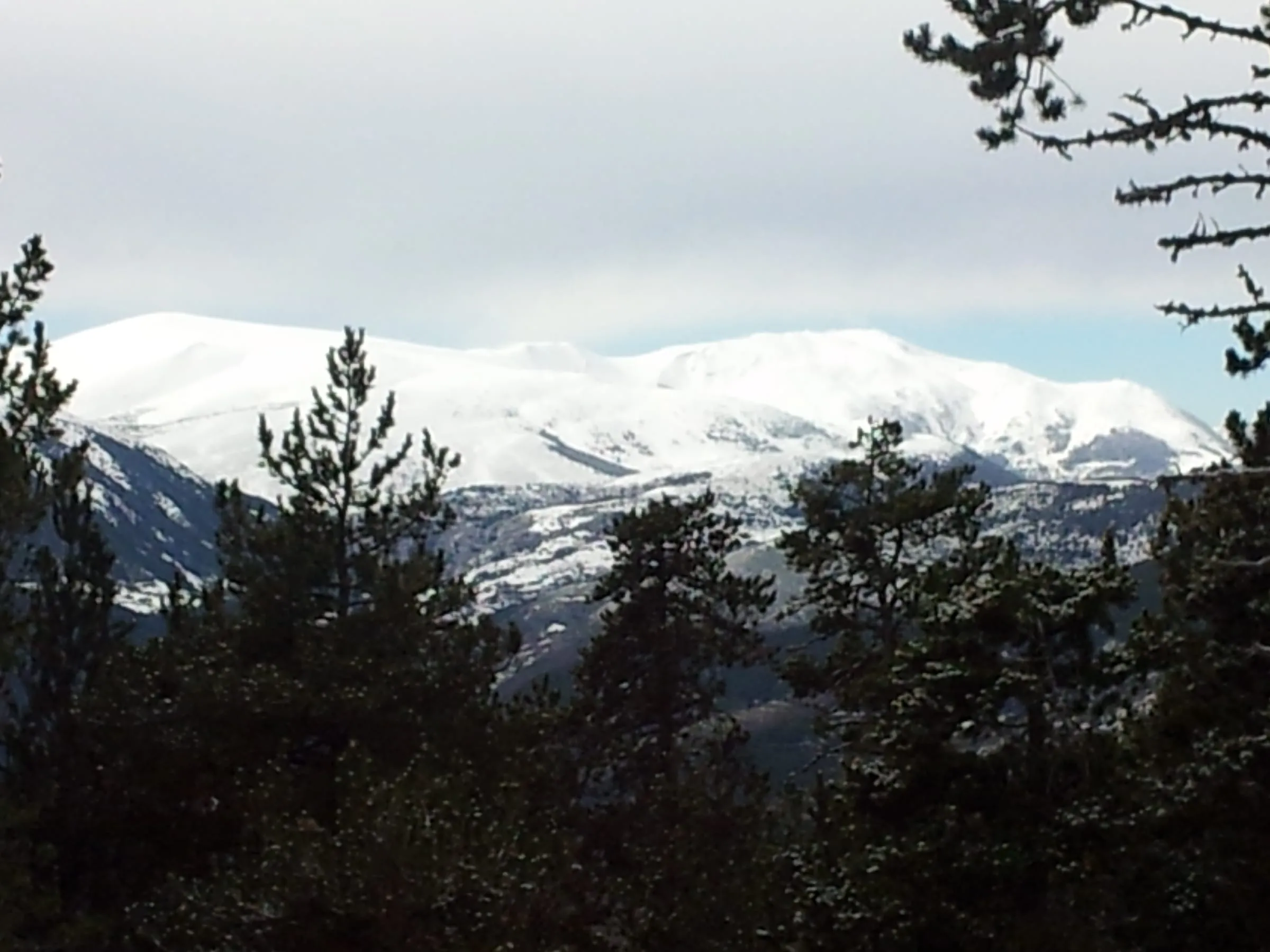
La Molina ski area: 71 km, or 145 km with Masella
La Molina’s own technical sheet lists 20 green, 18 blue, 23 red and 6 black runs, from a lowest point of 1,667 m to the top of the Tosa d’Alp at 2,537 m. The 16 lifts are one gondola, eight chairlifts, three drag lifts and four conveyors, and together they can move 29,450 people an hour.
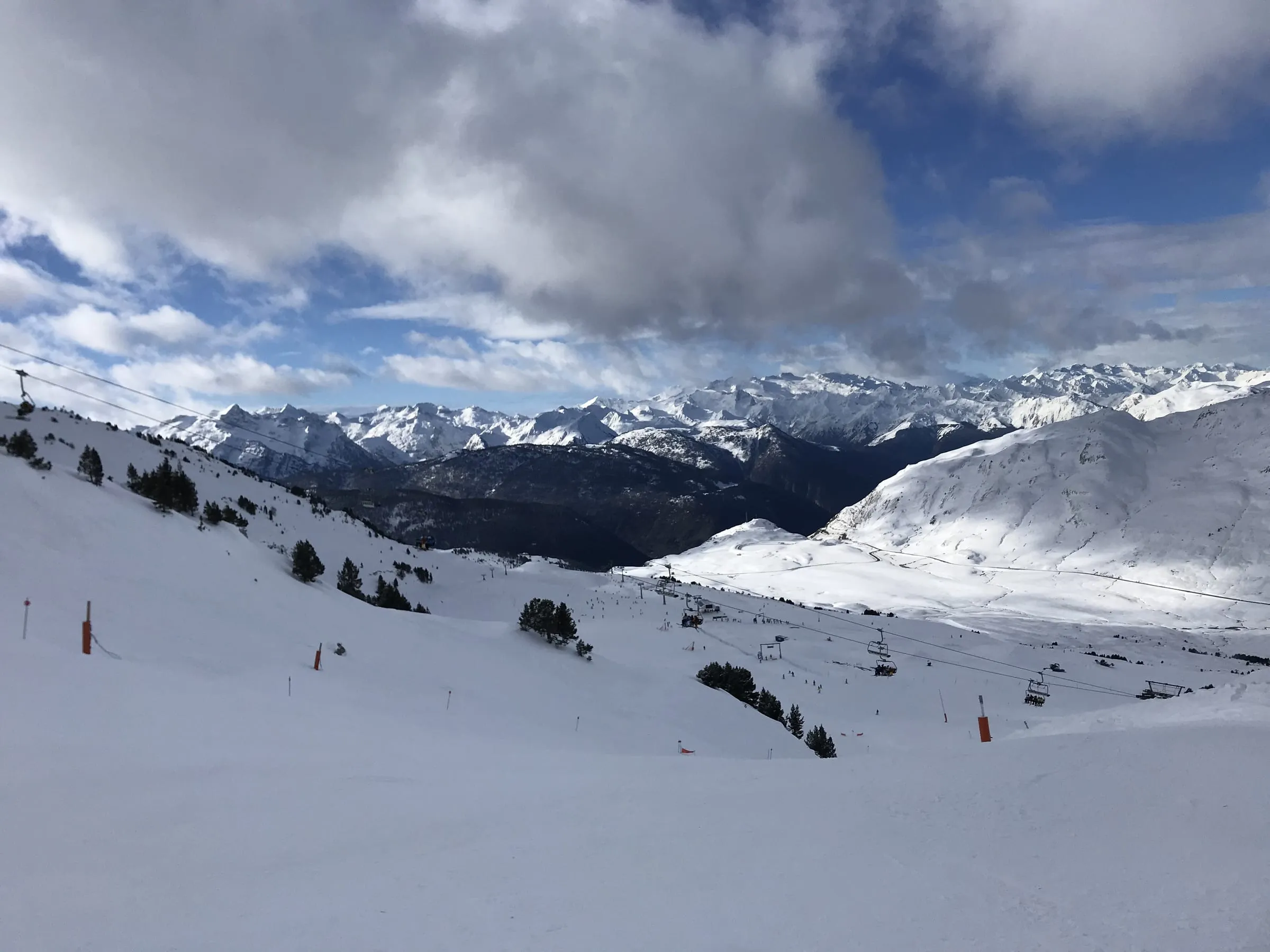
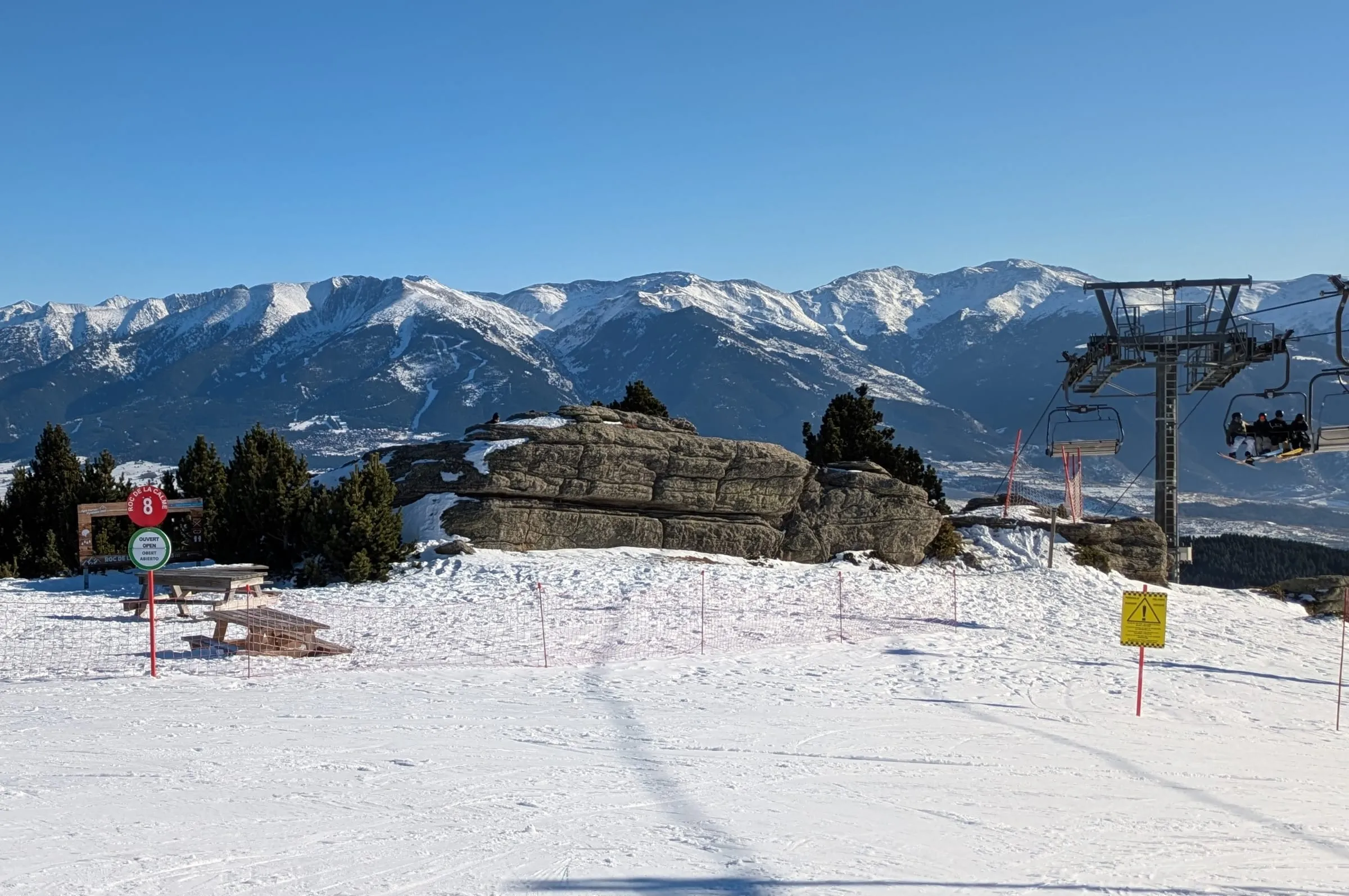
Across the mountain, Masella adds 74 km and 65 runs on the forested north side of the Tosa, with 935 m of vertical from Pla de Masella at 1,600 m. The two resorts are linked by La Molina’s Cadí-Moixeró gondola on one side and Masella’s Jumbo Tosa chairlift and Tosa drag on the other. On an Alp 2500 pass you can ski from Coma Oriola, the far west of Masella, to the Alabau sector at the east end of La Molina.
Together, Alp 2500 has 29 green, 45 blue, 45 red and 12 black runs.
Skiing in La Molina for beginners
La Molina is a good place to learn. One in three runs is green, there’s a cheaper beginner day pass, and there are 14 ski schools. The Escola d’Esquí La Molina has a fenced area with its own conveyor at the foot of Pista Llarga, the main base. For adaptive skiers, La Molina’s Centre d’Esport Adaptat has been a pioneer since 2002, with widened lifts and conveyors, adapted lessons and equipment hire.
Skiing in La Molina for intermediates
Intermediates get the most out of an Alp 2500 pass. Masella recommends linking its blues Dues Estacions, La Corda and La Plana, a run of more than 6 km that covers its whole 935 m vertical without much difficulty. The Familiar blue drops 420 m from La Pleta to Pla de Masella through the forest. For reds, Masella points to Panoràmica Superior, Camí and Coma Pregona from the top of the Jumbo Tosa, which it says keep excellent snow thanks to their height and orientation.
Skiing in La Molina for experts
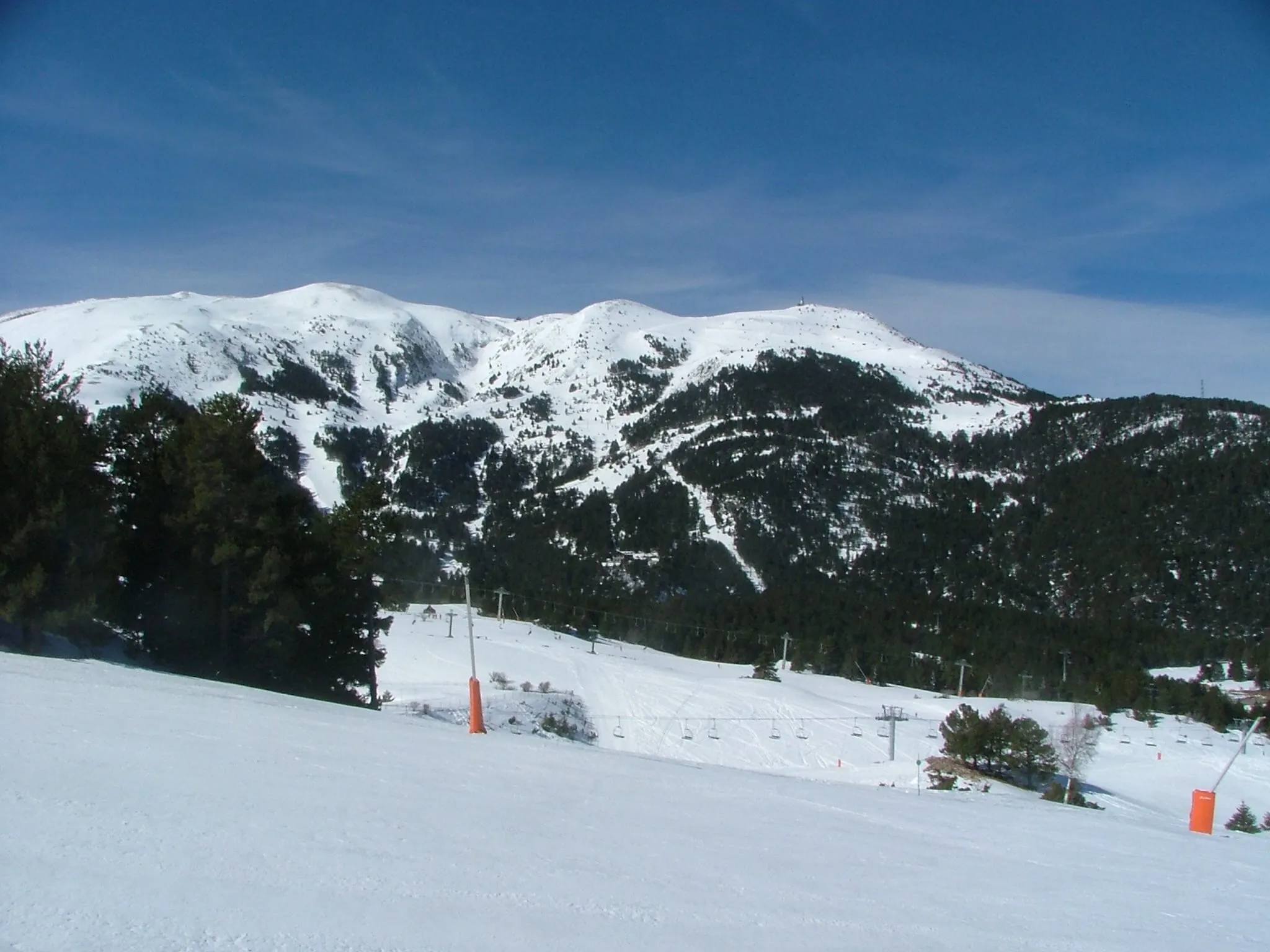
Experts won’t find big-mountain terrain here: there are 6 blacks in La Molina and 12 across Alp 2500. The steepest are on the Masella side, where Tub, Extrema and Pista Fonda drop from the Jumbo Tosa towards Coma Oriola. La Molina’s strengths are elsewhere: it has five FIS competition stadiums, and it has hosted the Alpine Ski World Cup (2008), the Snowboard World Championships (2011) and the FIS Para Snowboard World Championships (2023).
La Molina’s snowpark, superpipe and night skiing
Freestyle is a big part of La Molina’s identity. It has a snowpark, a funpark and what the resort calls the biggest superpipe in the Pyrenees. Across Alp 2500 there are three freestyle and snowpark areas, a boardercross and a big air bag.
Night skiing happens at Masella, which lights 13 runs and 10 km of pistes on the lower and middle slopes, served by six lifts over 420 m of vertical. Masella calls it the biggest night-skiing area in the Pyrenees. Its calendar shows sessions on Thursday evenings and on Saturday and holiday evenings, so check the dates before you plan around it.
Snow in La Molina and the 2026/27 season
La Molina’s 2026/27 calendar shows the lifts open every day from 4 December 2026 to 4 April 2027, from 09:00 to 17:00. On Christmas Day and Easter Monday (29 March 2027) they close at 13:00.
The resort promotes its sunshine, and like the rest of the Pyrenees it can have big winters and thin ones. That’s why snowmaking matters so much here: La Molina has 602 snow guns covering 43 km, about 60% of its pistes, and Alp 2500 has around 1,100 in total.
New for 2026/27, Masella says it has doubled its snowmaking capacity on the main Tosa run between 2,300 m and 2,500 m, aimed at good cover high up from the start of the season. It has also fitted new, more efficient snow guns at La Pleta and on the busiest runs through the Bosc d’Alp, bought a new PistenBully 600 Polar groomer, and upgraded the boarding and unloading areas of the TGV, Masella Jet and Coma Oriola chairlifts to cut stoppages and queues.
Is La Molina good for a last-minute ski trip?
Often, yes, especially from Barcelona. Three things help:
- It’s close. Masella puts Barcelona at about 1 hour 30 minutes by road via the Cadí tunnel, so you can decide on Thursday and be skiing on Saturday.
- It’s on the railway. You don’t need a car: La Molina has its own station.
- Snowmaking. With most of the main runs covered, a dry spell doesn’t close the resort.
The flip side is that being close to Barcelona makes La Molina busy on weekends and Spanish holidays. Midweek is much quieter. Before you book, look at how much of Alp 2500 is open, not just La Molina, and then find somewhere to stay in La Molina.
La Molina lift passes
There are two main choices: a La Molina pass, valid only on La Molina’s lifts, or an Alp 2500 pass for both La Molina and Masella. Things worth knowing:
- Buy online. La Molina adds a 3 euro surcharge to passes bought at its ticket offices or kiosks, and Masella gives a 3 euro discount for buying online.
- Afternoon passes start at 13:00.
- Children aged 7 to 11 pay a reduced rate, and children up to 6 get a heavily discounted pass.
- A family pack applies when you buy at least three passes, one of them for an adult.
- A beginner day pass and a walking pass for the Cadí-Moixeró gondola are sold too.
- Ski accident insurance is sold separately.
Après-ski and things to do in La Molina
Après centres on La Placeta, at the base, which FGC has just modernised with new ramps and step-free routes linking the social club, the El Bosc restaurant and the pool area. Up top, the renovated Niu de l’Àliga restaurant sits at 2,537 m on the Tosa d’Alp.
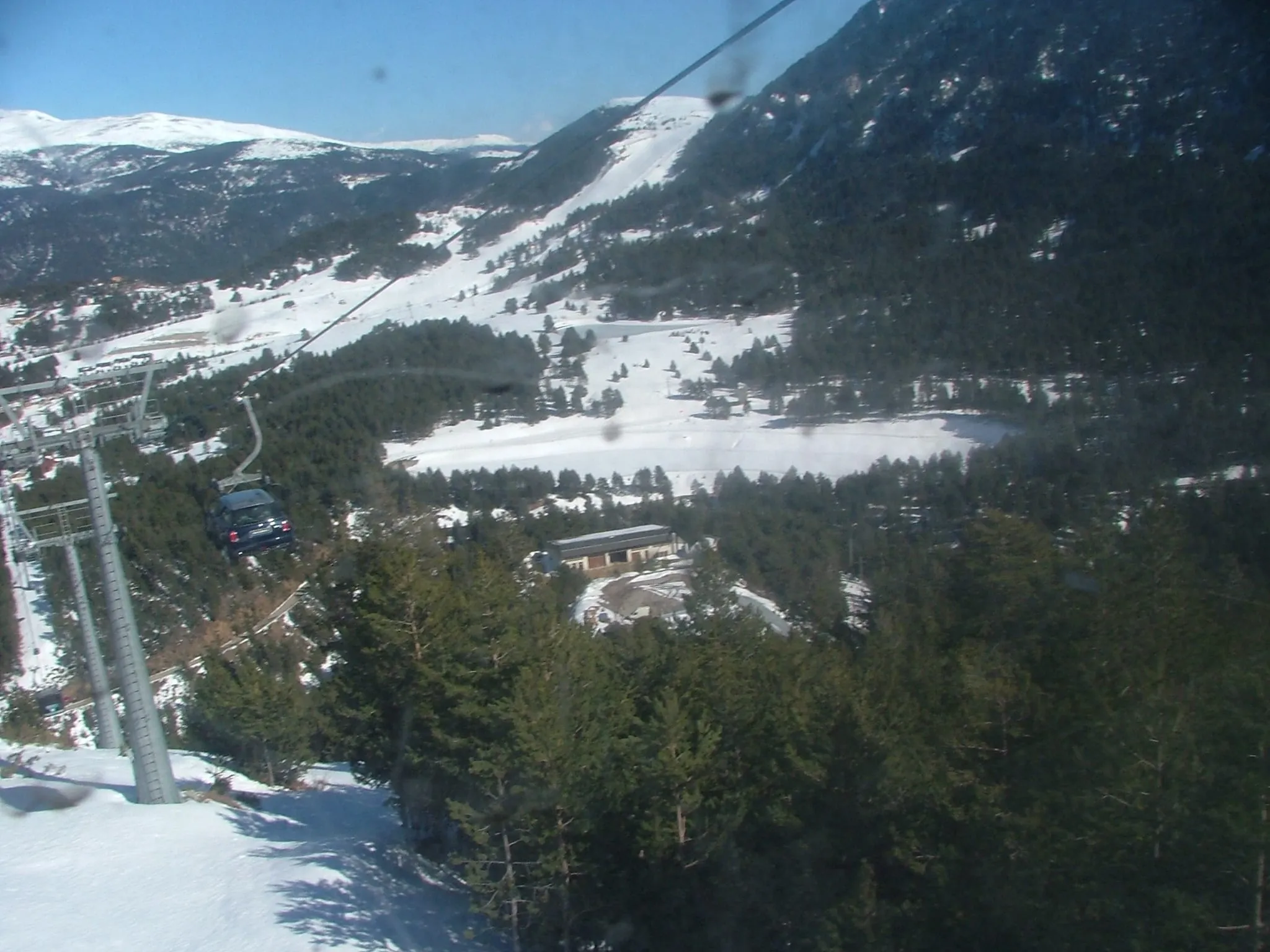
Off the slopes, La Molina’s list is long: a panoramic ride on the Cadí-Moixeró gondola to the Tosa d’Alp, a sledge run (Coll Sisè), tubbing, snowshoeing on the “Fauna” circuit, a tree-top adventure park, Segway tours, padel, a spa and a bowling alley. In the valley below, the Cerdanya’s villages and its main town, Puigcerdà, are worth an evening out.
Who La Molina suits, and who it doesn’t
- Great for: beginners and families, freestylers, weekenders from Barcelona, and anyone who’d rather take the train than drive.
- Think twice if: you want long, steep, challenging skiing, guaranteed powder or quiet weekends. Snow on the sunny slopes can be thin in a dry winter, and Spanish holidays bring crowds.
Skiing with children? Read our guide to La Molina with kids.
How to get to La Molina
Driving to La Molina
Masella, next door, publishes the distances. From Barcelona it’s 140 km, about 1 hour 30 minutes, via the Cadí tunnel, which means no mountain pass to cross. The route over the Collada de Toses is 144 km and about 2 hours 5 minutes, and avoids the tunnel toll. From Girona it’s 129 km (about 2 hours 5 minutes), from Lleida 177 km and from Zaragoza 315 km. La Molina has eight car parks with 2,604 spaces and direct access to the lifts. Carry chains or fit winter tyres: snow on the approach roads is part of a Pyrenean winter.
By train and bus
La Molina has its own station on the Rodalies R3 line from Barcelona, and a resort bus runs from the station up to Pista Llarga. The resort and Renfe sell a Skitren package with the return train, the resort bus and a one-day pass. There are also Ski Bus day-trip packages by coach with Sagalés, including one for La Molina plus Masella.
Check the R3 before you travel. Track-doubling works between Mollet and La Garriga were scheduled to stop trains on that section until about January 2027, with replacement buses. Higher up, the line was damaged by storms in January 2026; trains returned between Ribes de Freser and Puigcerdà in July 2026, with five trains a day each way plus extra buses.
Nearest airports
Barcelona and Girona-Costa Brava are the closest airports, and Masella says both are under two hours away by road. From there it’s a hire car, the train from Barcelona, or a transfer.