France
 Austria
 Italy
 Switzerland
 English
 Deutsch
 Nederlands
 Español
 Čeština
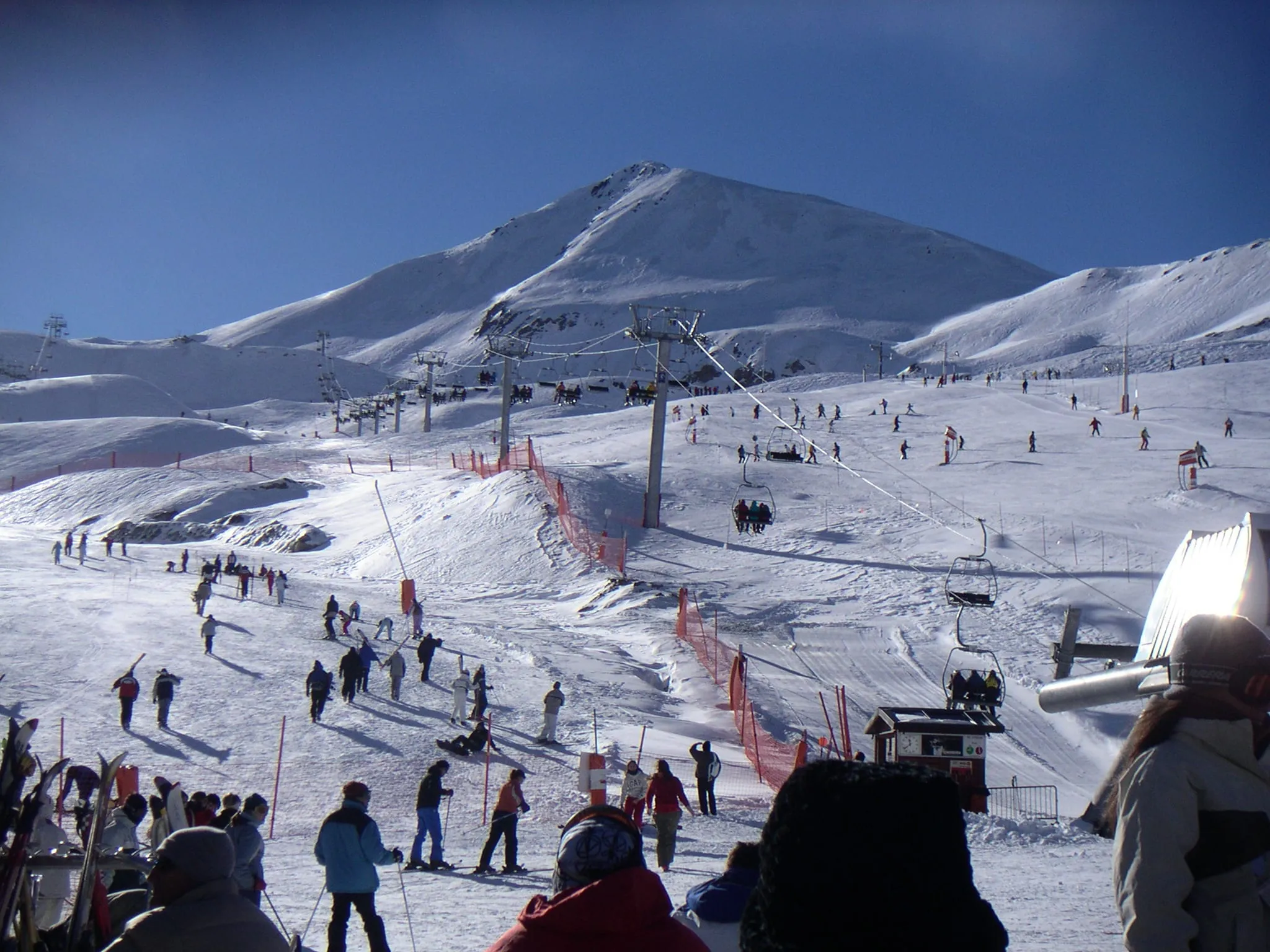
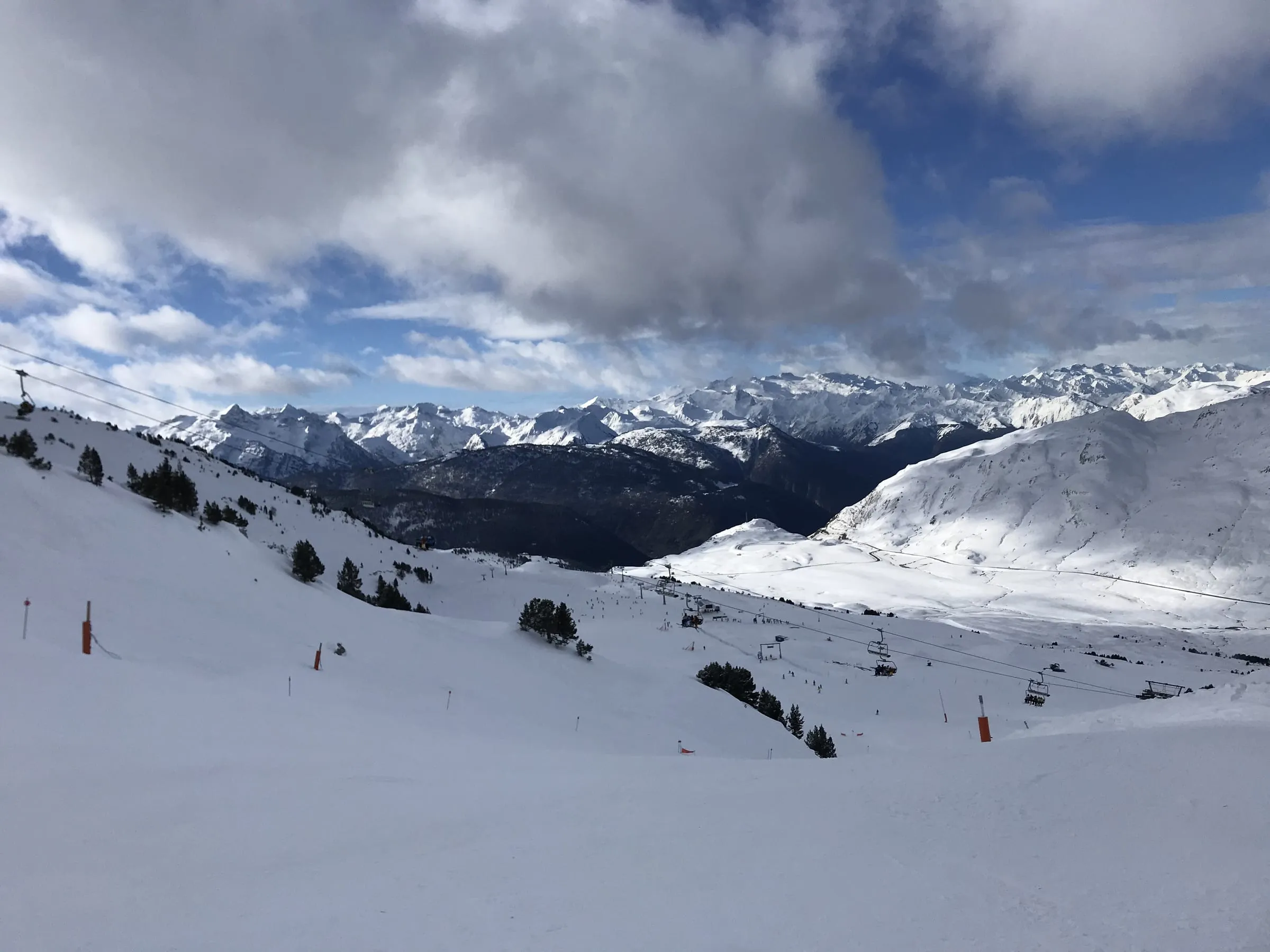
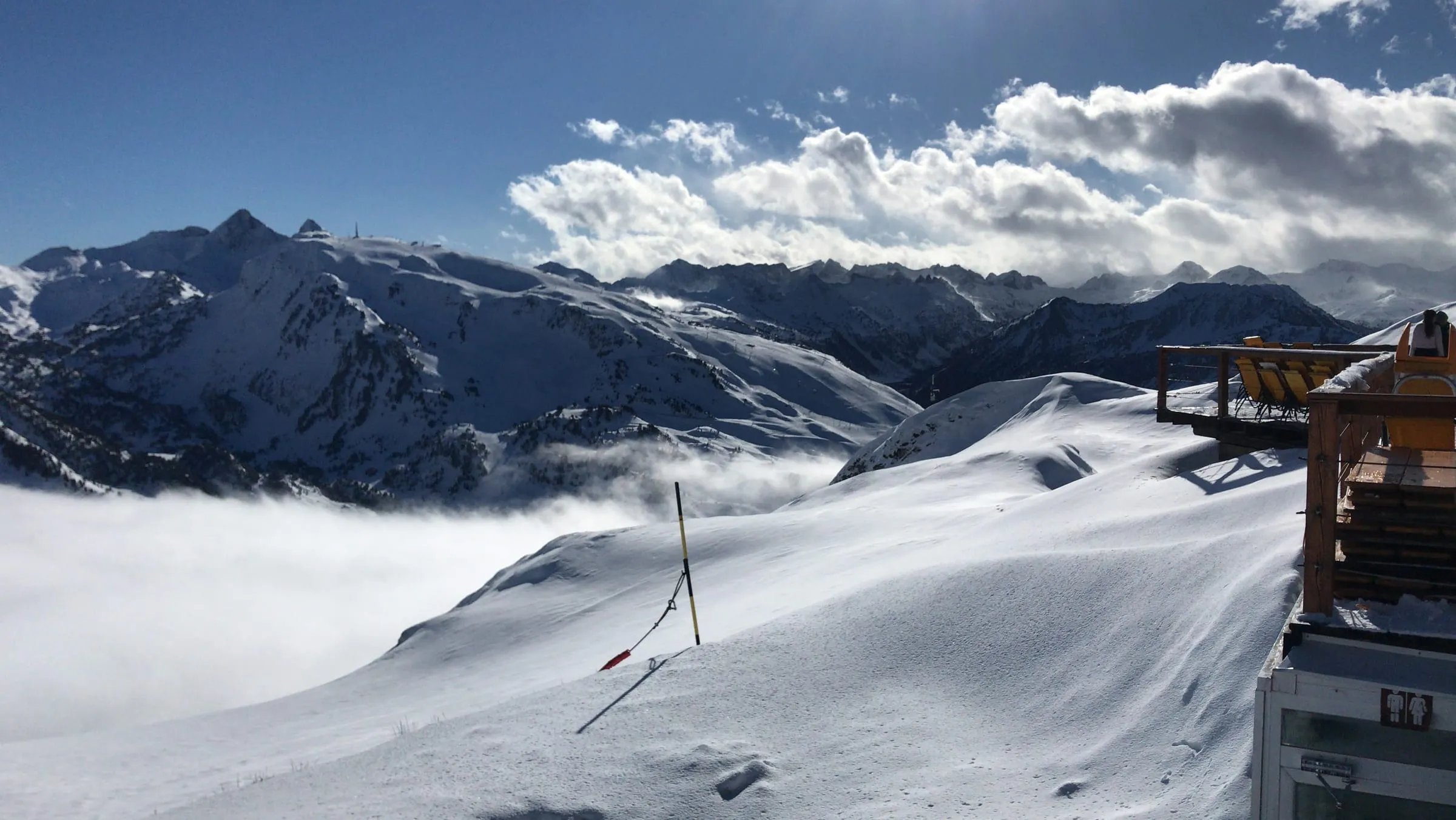
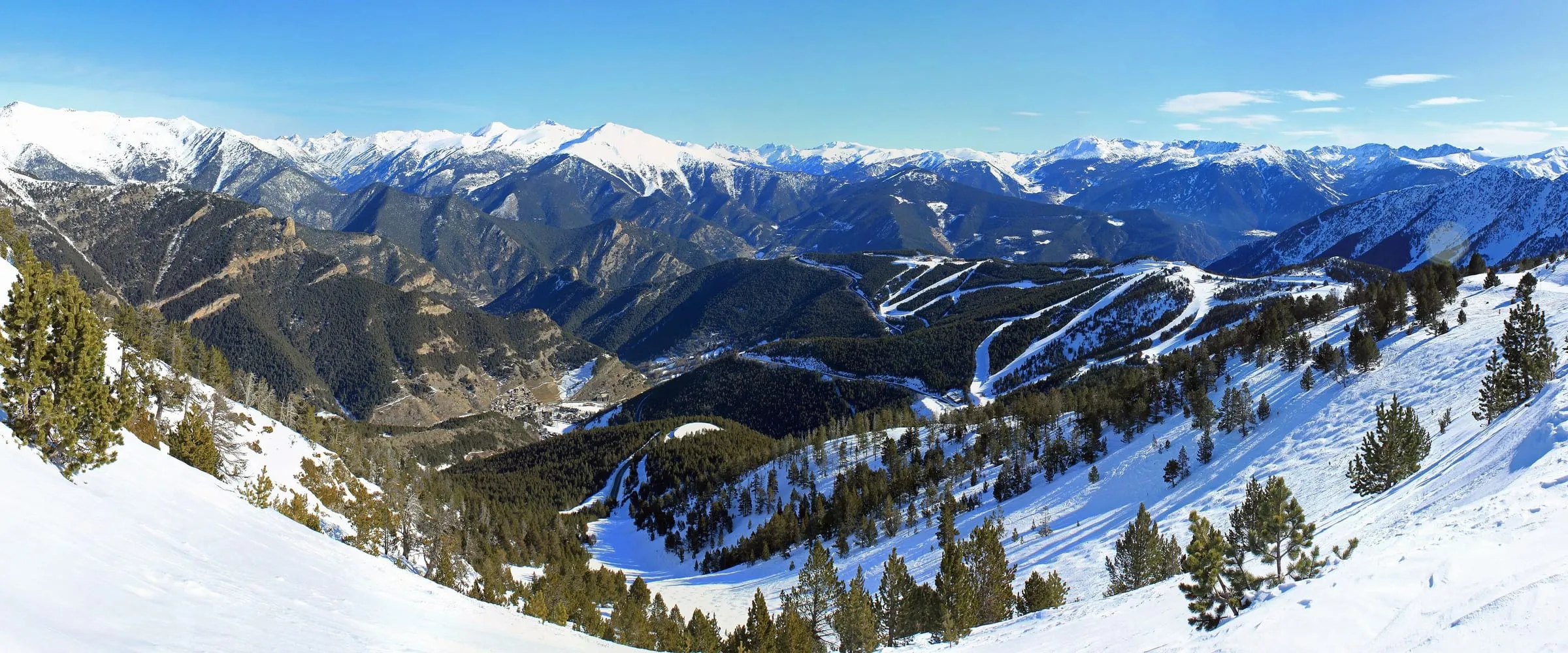
Boí Taüll is the high one. While most Pyrenean resorts top out somewhere around 2,500 m, Boí Taüll’s lifts climb from 2,040 m to 2,751 m, and the resort calls itself the highest ski station in the Pyrenees. It sits at the head of the Vall de Boí in the Alta Ribagorça, on the edge of the Aigüestortes i Estany de Sant Maurici National Park, and it’s run by the Catalan railway company FGC under its Pirineu365 brand.
It’s a resort for good skiers more than for first-timers, with more black runs than any other colour and a big freeride reputation. It’s also a long way from anywhere, which keeps it quiet. Below it, the valley’s Romanesque churches are a UNESCO World Heritage Site, so there’s more to a trip here than the skiing.
Boí Taüll ski area: 45 km at the top of the Pyrenees
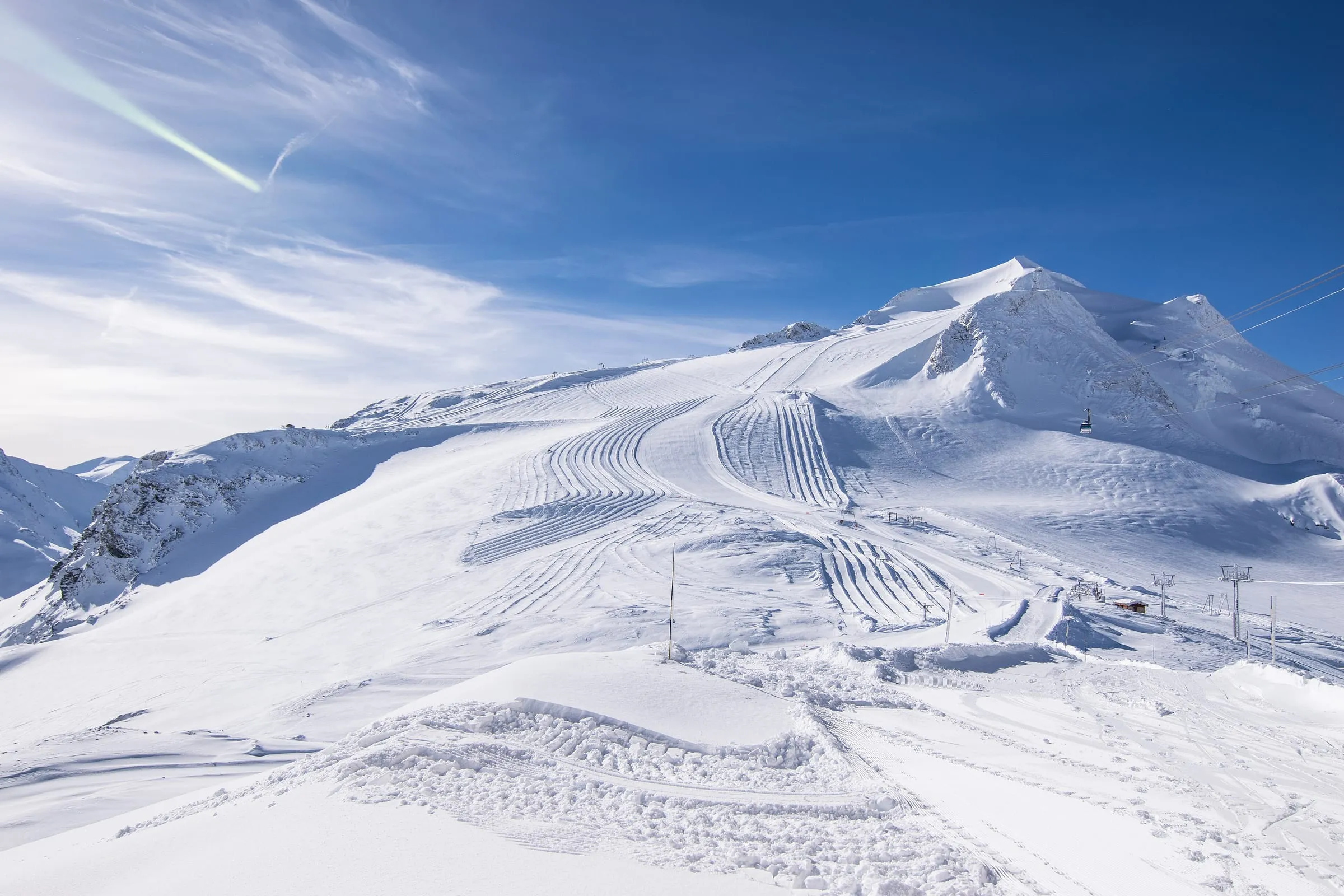
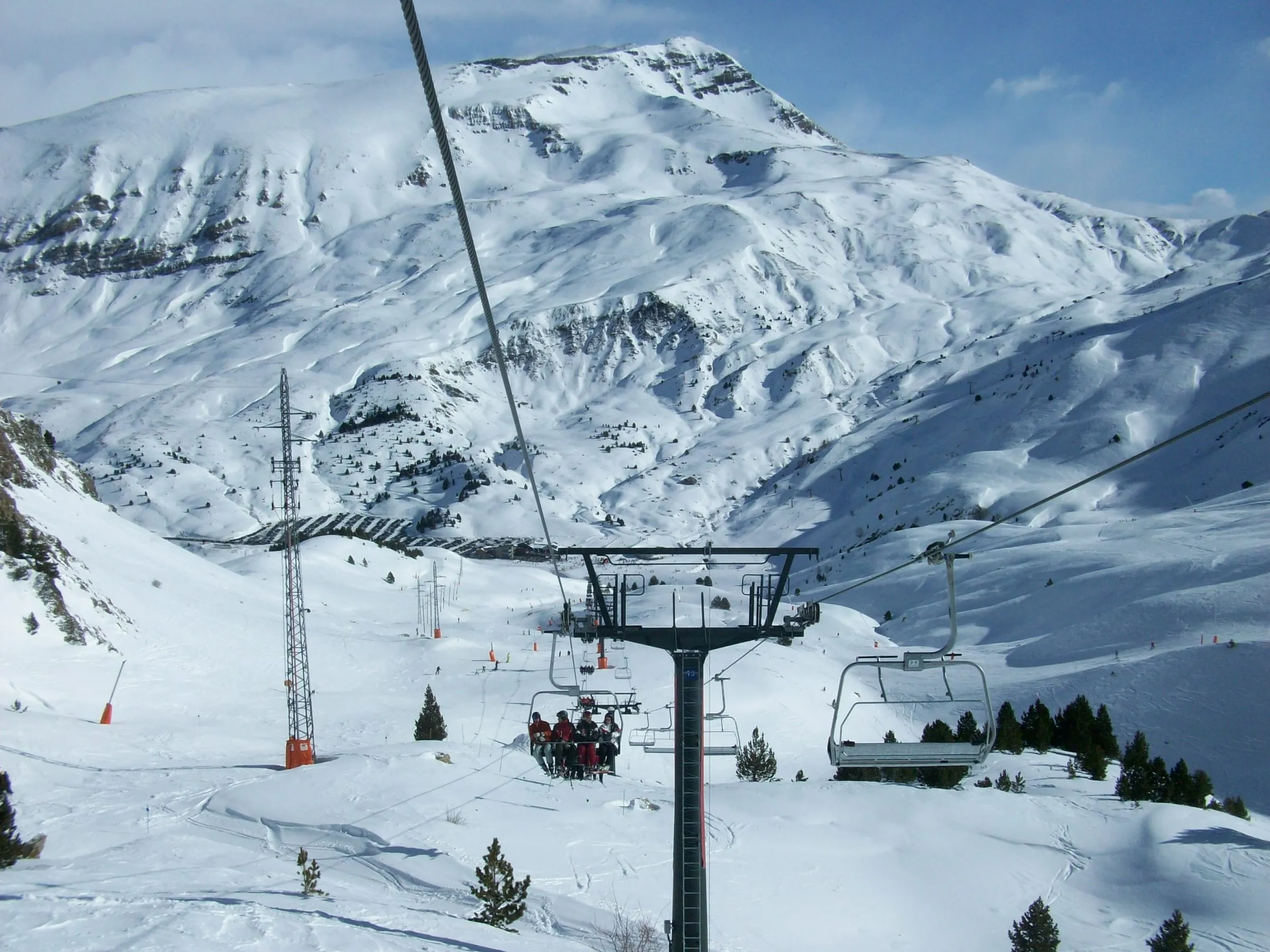
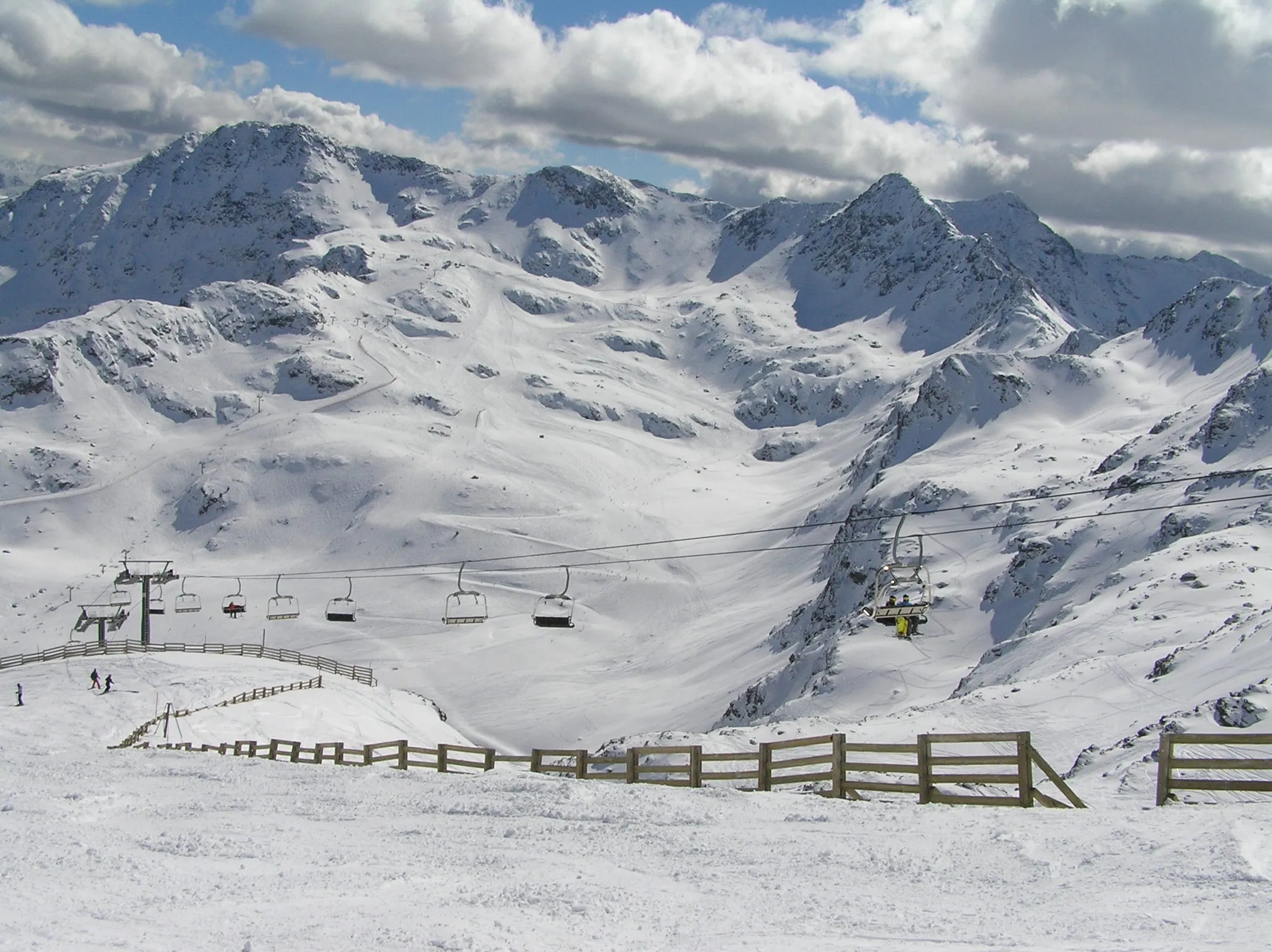
Boí Taüll’s technical sheet lists 45 km of pistes on 43 runs, spread over 550 hectares. That breaks down as 16 black, 15 red, 6 blue and 6 green runs. They’re served by 10 lifts: five chairlifts, two drag lifts and three conveyors, with a combined capacity of 13,200 skiers an hour.
There are also four marked ski-touring itineraries, a snowpark, a competition stadium, a sledging run and a children’s area. Everything starts from one base at about 2,040 m, where you’ll find the ticket office, the ski schools, the rental shop, a medical centre and two car parks.
Skiing in Boí Taüll for beginners
Beginners can learn here, but the mountain isn’t built around them: only 12 of the 43 runs are green or blue. The upside is that the learning areas are at 2,000 m and above, where snow tends to be reliable. There are seven accredited ski schools, three conveyor lifts and a beginner (“debutant”) day pass sold at the resort.
Skiing in Boí Taüll for intermediates
The resort describes its terrain as suited to intermediate and advanced skiers, with wide blue runs to build confidence and long reds once you’re comfortable. Fifteen reds is a decent share for a 45 km area, and the height range of more than 700 m means proper top-to-bottom runs rather than short laps.
Skiing in Boí Taüll for experts
This is Boí Taüll’s strength. More than a third of the runs are black, which is unusual anywhere, let alone in Spain. Strong skiers can spend a whole day on blacks and reds without repeating much, and the high, north-facing slopes hold good snow late into the season.
Freeride in Boí Taüll: the Moró and Ginebrell valleys
Boí Taüll is best known in Spain for off-piste. The resort says its freeride terrain has more than 1,000 m of vertical and more than 20 km of routes, effectively a second, ungroomed resort beside the pistes. The classic descents drop into the Vall de Moró and the Vall de Ginebrell, and a Freeride Bus collects you at the end of those itineraries and brings you back to the base. You need an activated lift pass for the day to use it.
This is genuine high-mountain terrain. It isn’t marked, patrolled or groomed, and the resort warns of avalanches and ice. Carry an avalanche transceiver, shovel and probe, check the avalanche forecast, and note that there’s no phone coverage in the Moró and Rus valleys. The resort always recommends going with a mountain guide; Guies de Taüll is one of the accredited schools.
For freestyle, the snowpark has jumps, boxes and rails in five zones for different levels, and there’s a separate snowpark day pass.
Snow in Boí Taüll and the 2026/27 season
The resort’s 2026/27 calendar shows the lifts open daily from 4 December 2026 to 4 April 2027, from 09:00 to 17:00, with the last lift at 16:45. On Christmas Day they close at 13:00. As everywhere in the Pyrenees, all of this depends on the snow.
Height and aspect are Boí Taüll’s big advantages. The slopes face mainly north, and with the lowest piste at 2,040 m, the whole area sits above the height where many Pyrenean resorts start to struggle in a mild spell. Snowmaking is more limited than at some rivals: 170 snow guns cover 17.4 km, about 38% of the skiable area. So in a dry winter the full 45 km may not all be open, especially early on.
Is Boí Taüll good for a last-minute ski trip?
It depends where you’re coming from. In its favour:
- Altitude. When it has snowed but temperatures are rising, Boí Taüll’s 2,040 to 2,751 m range is one of the safest bets in the Pyrenees.
- Quiet slopes. The resort promises space without crowds, and its distance from the big cities helps.
- It suits good skiers. If the forecast is for fresh snow, the freeride valleys make it worth the drive.
Against it, it’s remote: the tourist office puts the valley 280 km from Barcelona, and there’s no accommodation at the ski area itself, so every day starts with a drive up from the valley. There’s no train either. Before you book, check how many runs are open on the resort’s snow report, then find somewhere to stay near Boí Taüll.
Boí Taüll lift passes
Boí Taüll sells day passes, 2 to 4 non-consecutive days, afternoon passes from 13:00 and season passes. A few things worth knowing:
- Buy online. Passes bought at the ticket office or kiosks cost 3 euros more (except for the youngest children and the over-70s).
- Age bands: adults are 25 to 64, youth passes cover 12 to 24, children’s passes 7 to 11, and children up to 6 pay a token price.
- A family pack gives a discount on 1- or 2-day passes when a family buys at least three passes, with at least one adult, in one online purchase.
- Large and single-parent families with a Catalan family card get 10% off day passes.
- There are separate beginner and snowpark day passes, sold at the resort.
- Ski accident insurance isn’t included and is sold separately.
Après-ski and things to do in Boí Taüll
Boí Taüll isn’t a party resort. On the mountain, the Cow Boí terrace at the base (2,035 m) is the meeting point at the end of the day, with DJ sessions during special events. The other places to eat are the Isard and La Guineu cafés at the base, with a sit-down lunch on the first floor of the Isard, La Carlina at 2,170 m and the Mirador Vaques at 2,310 m.
The resort also runs snowshoe routes and a play area, and its double zip line, opened in July 2026, flies 1,220 m from the base terrace with a 102 m drop. It’s listed among the resort’s experiences, but check it’s running before you go.
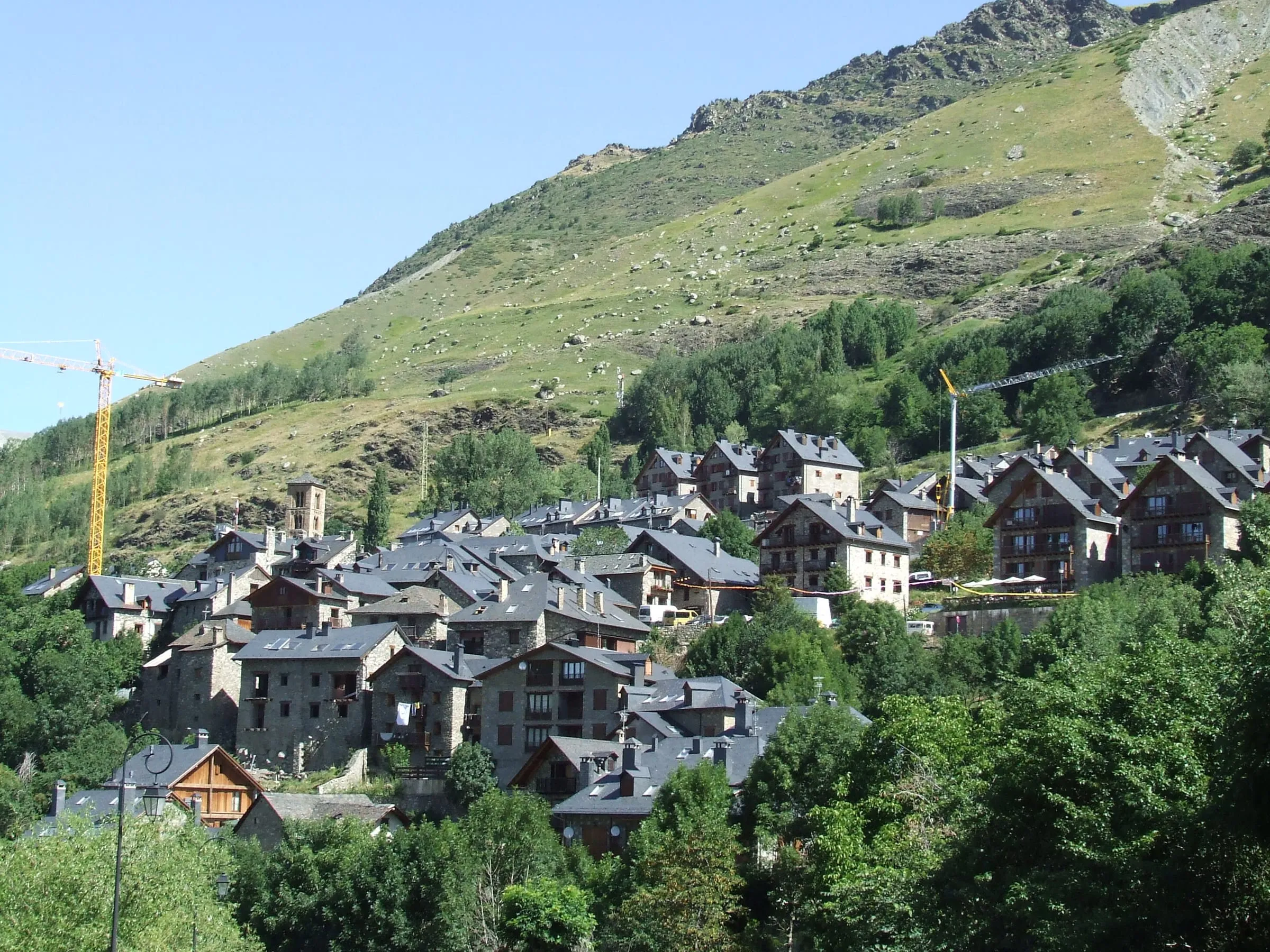
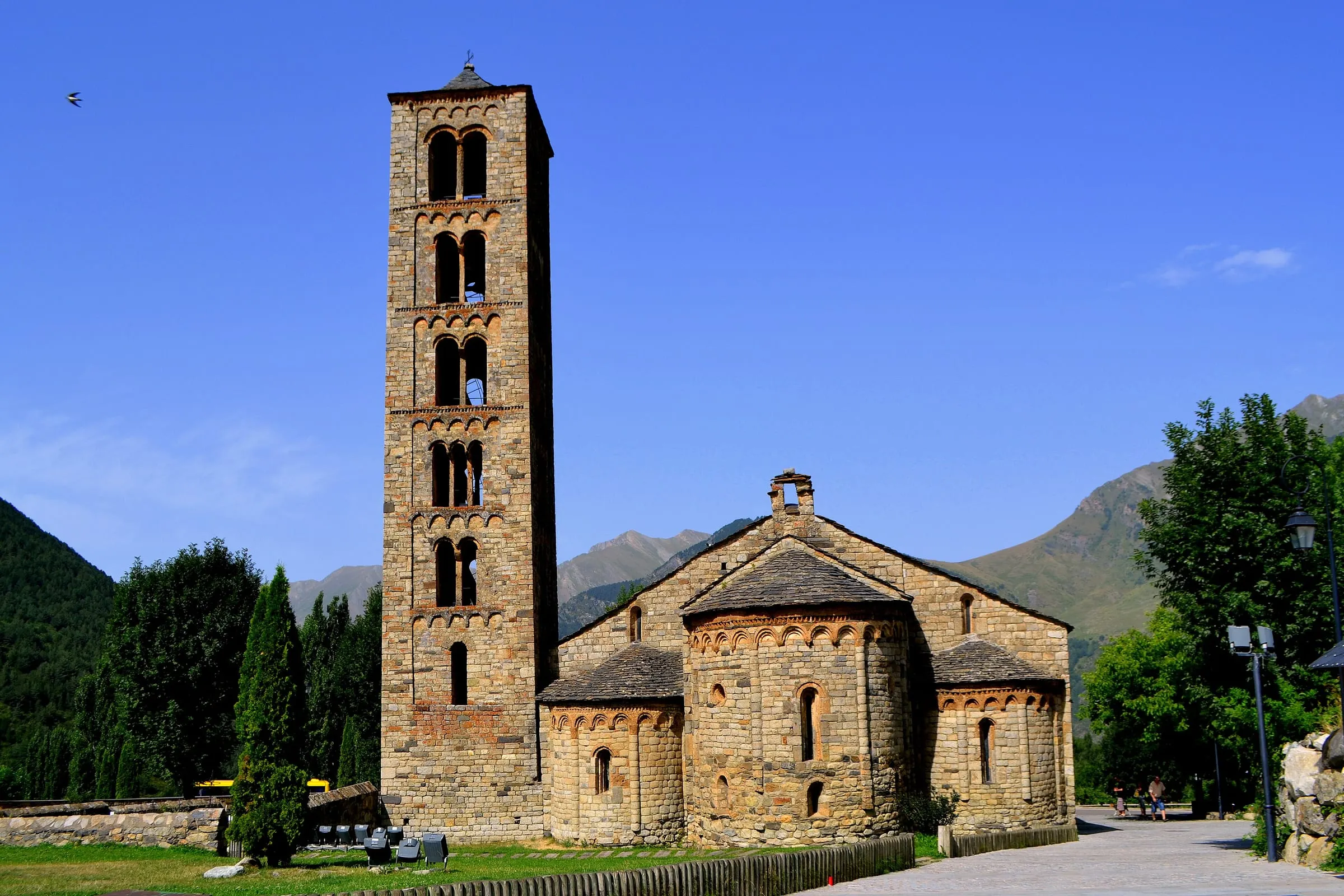
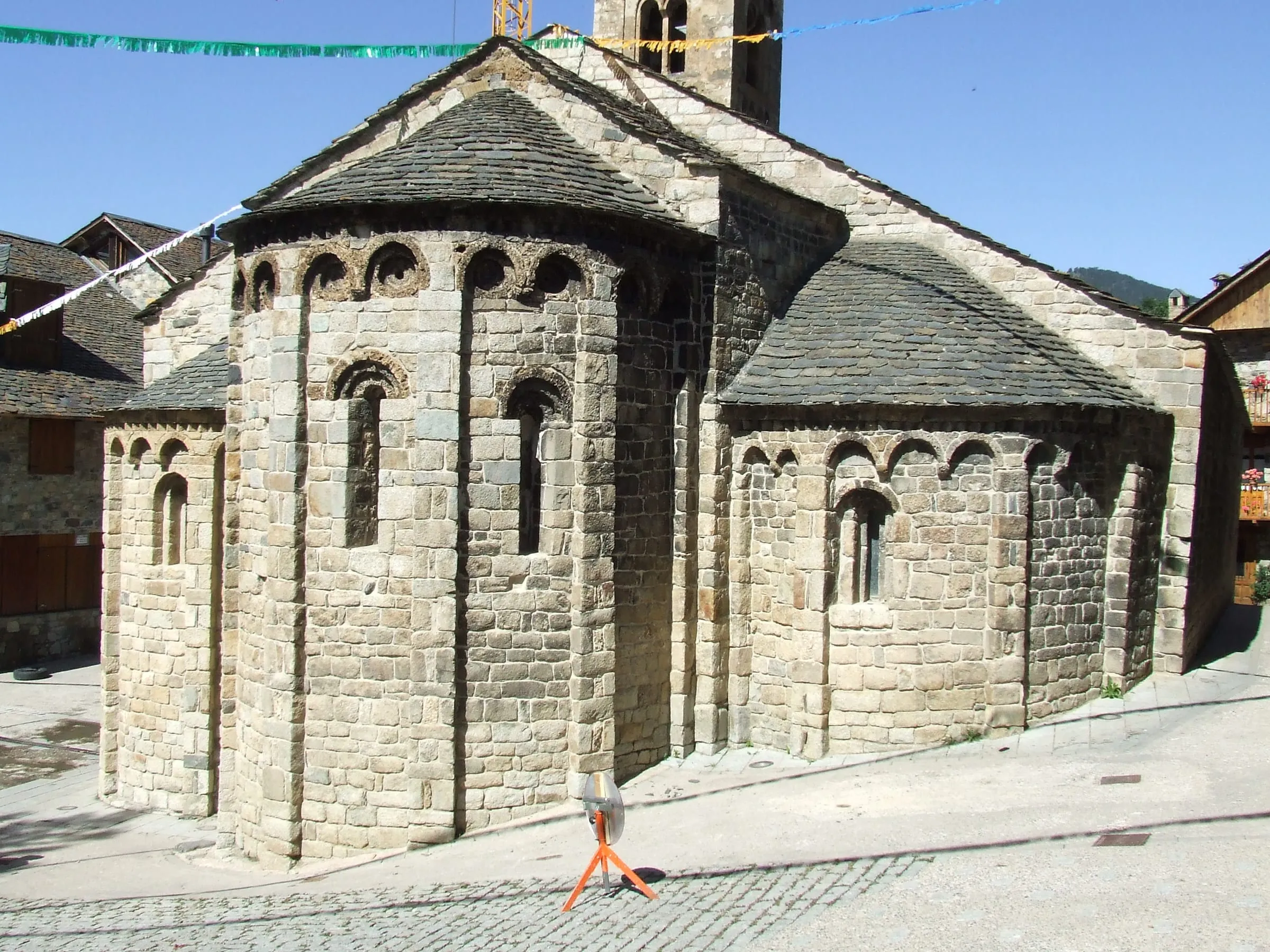
Off the mountain, the valley is the real draw. The Romanesque churches of the Vall de Boí are a UNESCO World Heritage Site: Sant Climent and Santa Maria in Taüll are the best known, and the Centre del Romànic in Erill la Vall explains the story. Caldes de Boí, further up the valley, is a spa with dozens of mineral springs.
Who Boí Taüll suits, and who it doesn’t
- Great for: strong skiers, freeriders with the right kit and a guide, people who want quiet slopes and high snow, and anyone who likes a bit of history with their skiing.
- Think twice if: you’re a first-timer or have young beginners (only 12 easy runs), you want to stay on the slopes, you want lively après-ski, or you’re relying on public transport.
Skiing with children? Read our guide to Boí Taüll with kids.
How to get to Boí Taüll
Driving to Boí Taüll
The Vall de Boí tourist office gives these routes. From Barcelona (280 km), take the A-2 or AP-2 to Lleida, then the A-14 towards Vielha and Toulouse, leave for Alfarràs and follow the N-230 towards El Pont de Suert. At El Pont de Suert, turn off onto the L-500 into the Vall de Boí. From Lleida it’s 145 km, from Zaragoza 250 km and from Tarragona 236 km. The ski station is above Pla de l’Ermita and Taüll at the head of the valley, and it has two car parks. Carry chains or fit winter tyres: the last stretch climbs to over 2,000 m.
By train and bus
There’s no train to the valley. Renfe runs trains to Lleida, and ALSA buses run from Lleida and Barcelona to El Pont de Suert, at the mouth of the valley. From there you need a taxi (there’s a Vall de Boí taxi association) or a hire car. In 2025/26 the Alta Ribagorça county council ran a Bus de la Neu (snow bus) up to the resort on set days, only when the station was open and the weather allowed; check with the tourist office whether it’s running for 2026/27.
Nearest airports
The tourist office lists Toulouse (210 km), Zaragoza (245 km) and Barcelona (305 km) as the nearest airports. All three mean a hire car or a long transfer.