France
 Austria
 Italy
 Switzerland
 English
 Deutsch
 Nederlands
 Español
 Čeština
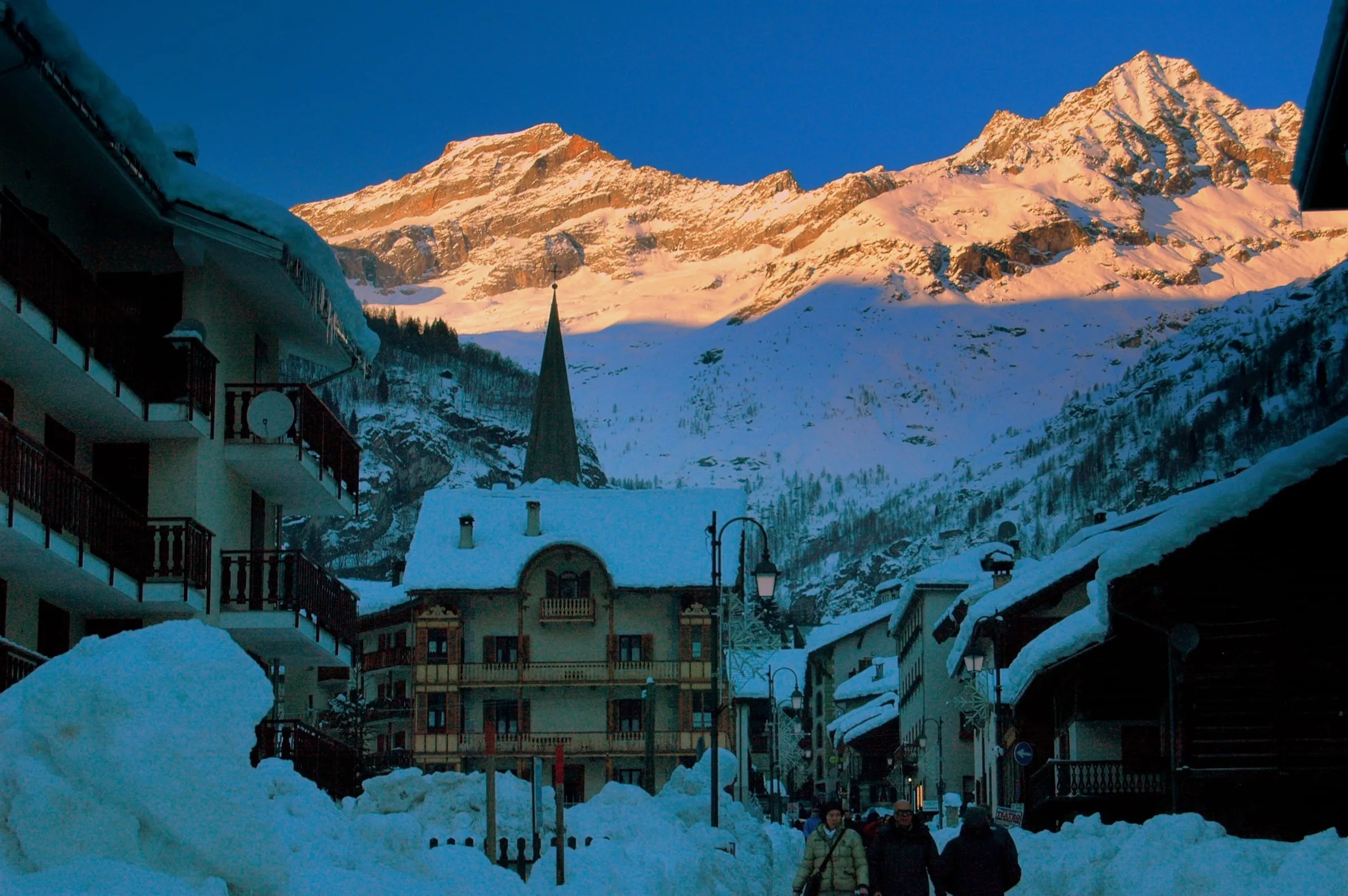
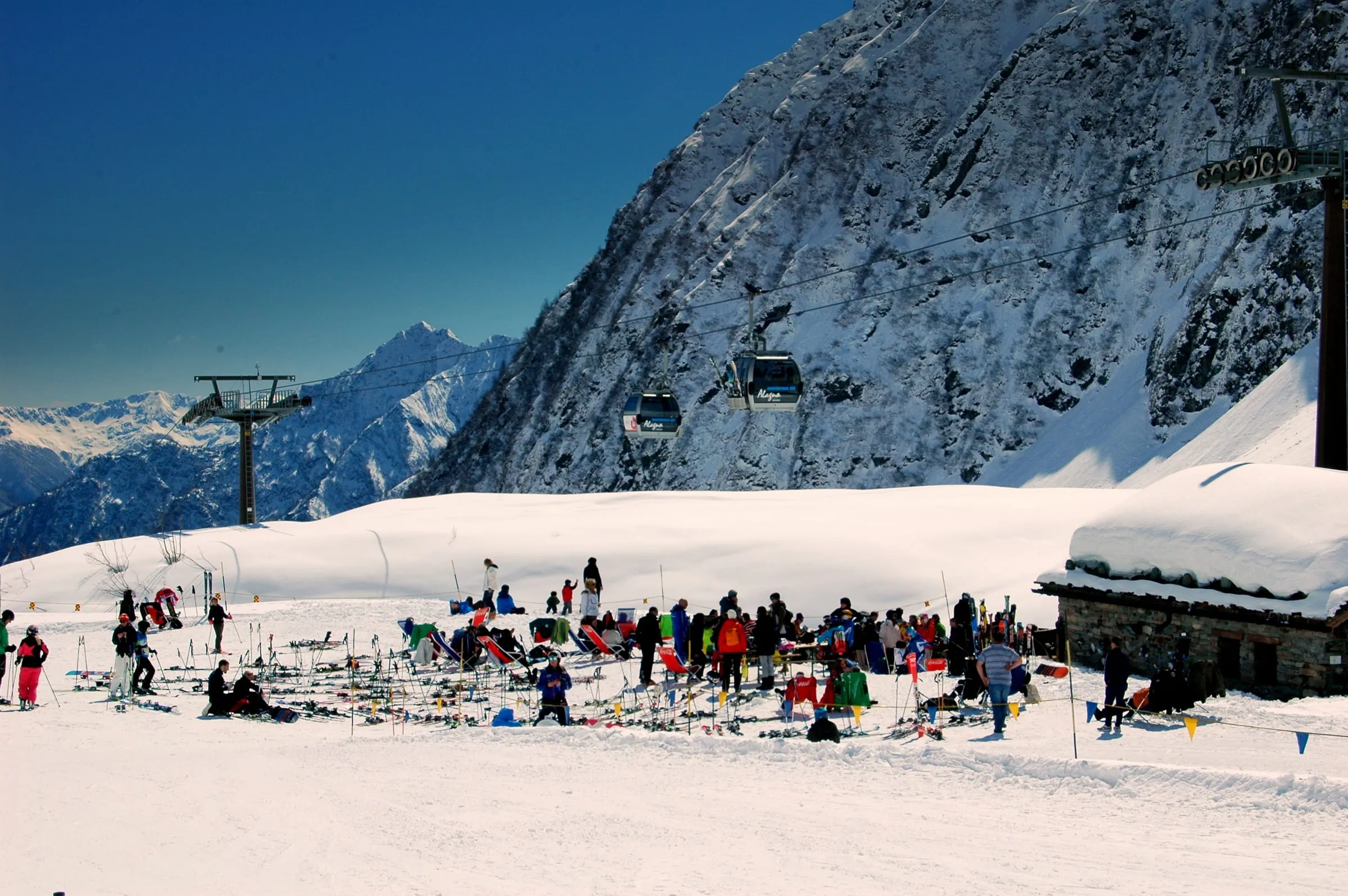
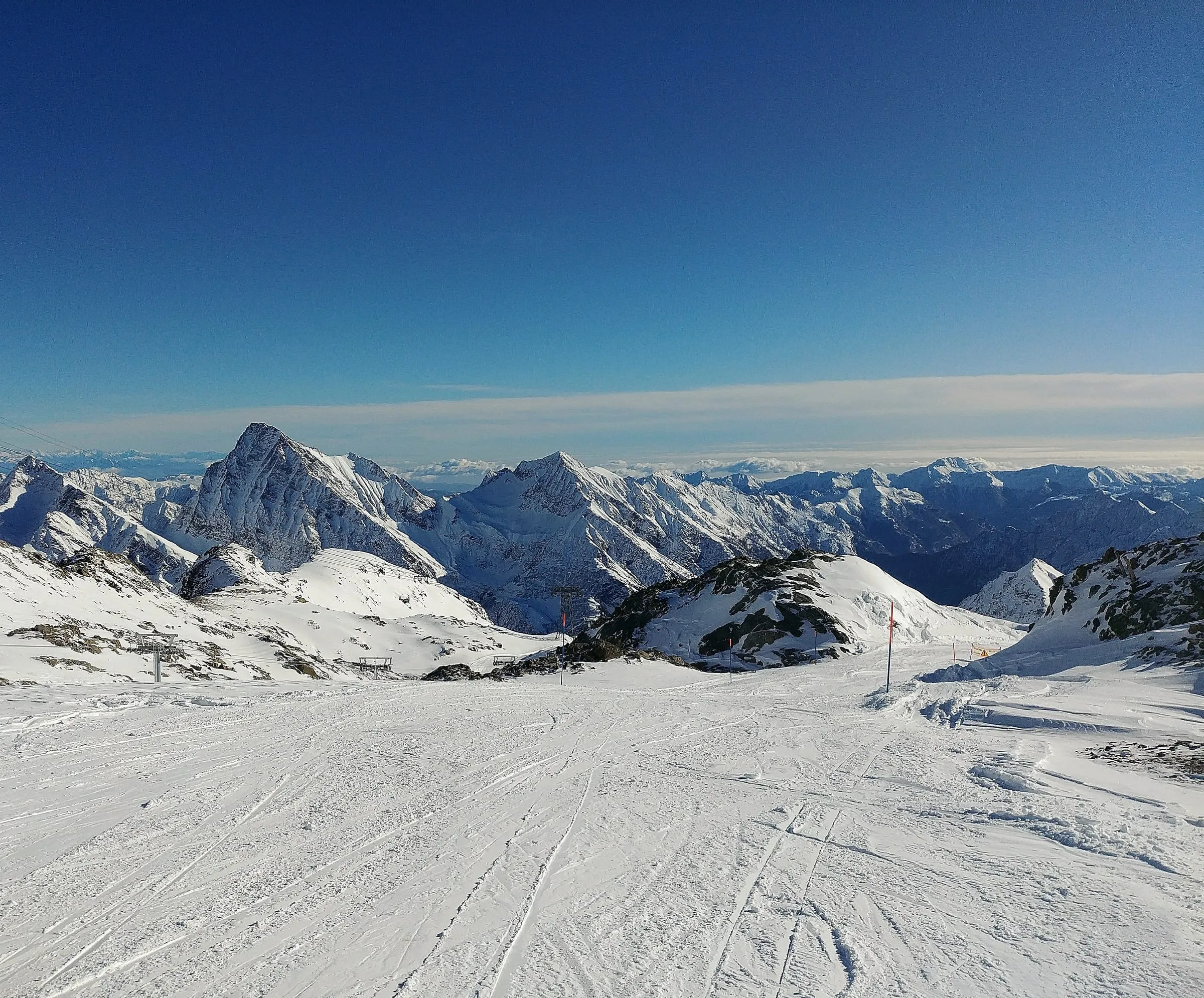
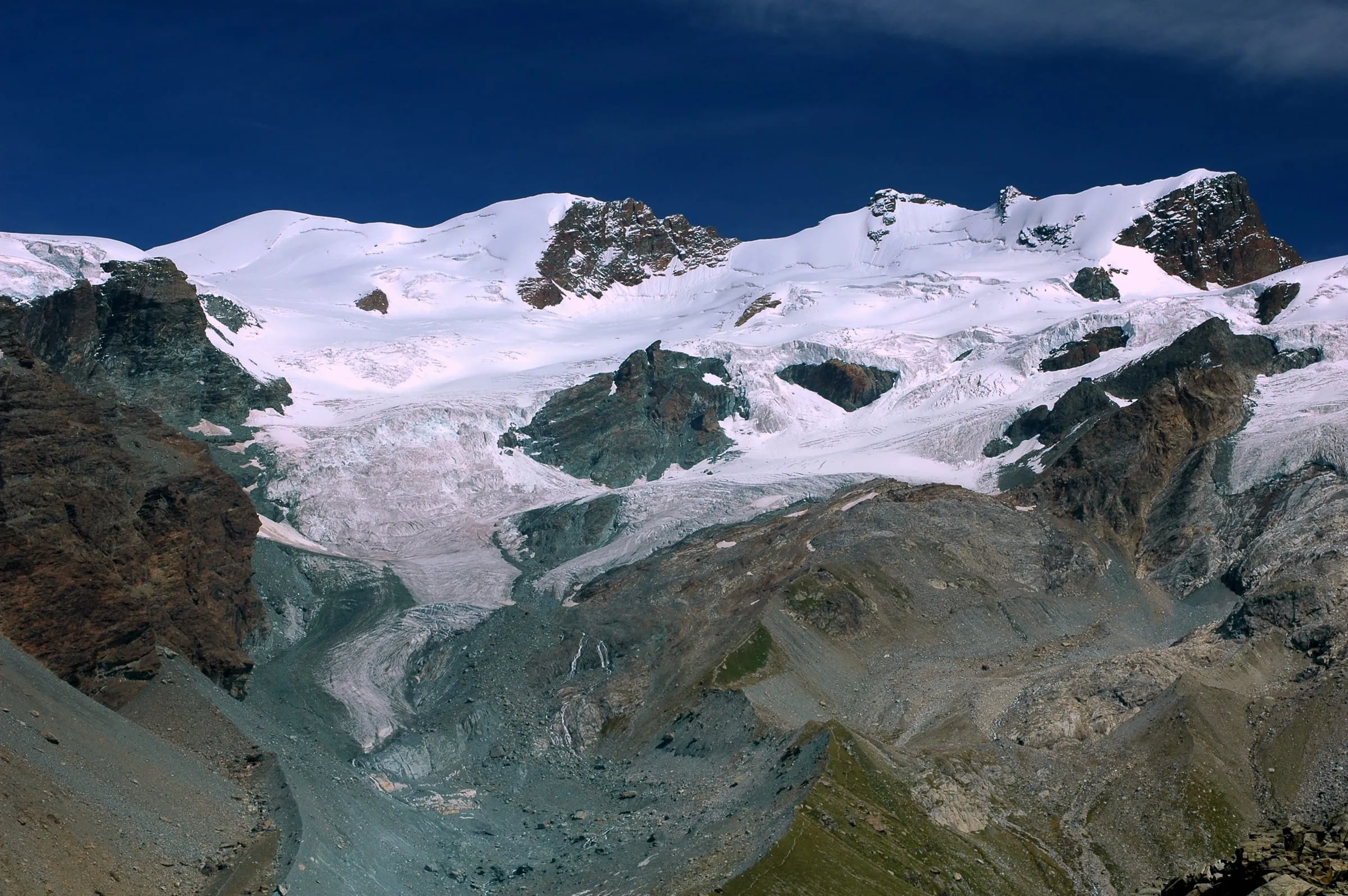
Alagna Valsesia sits at about 1,200 m at the head of the Valsesia, in Piedmont, on the south-east side of Monte Rosa. It’s the eastern end of Monterosa Ski, linked over the Passo dei Salati to Gressoney and on to Champoluc. And it has a reputation that goes well beyond its size: Alagna is one of the best-known freeride resorts in the Alps, with long off-piste descents from the glaciers down to the village.
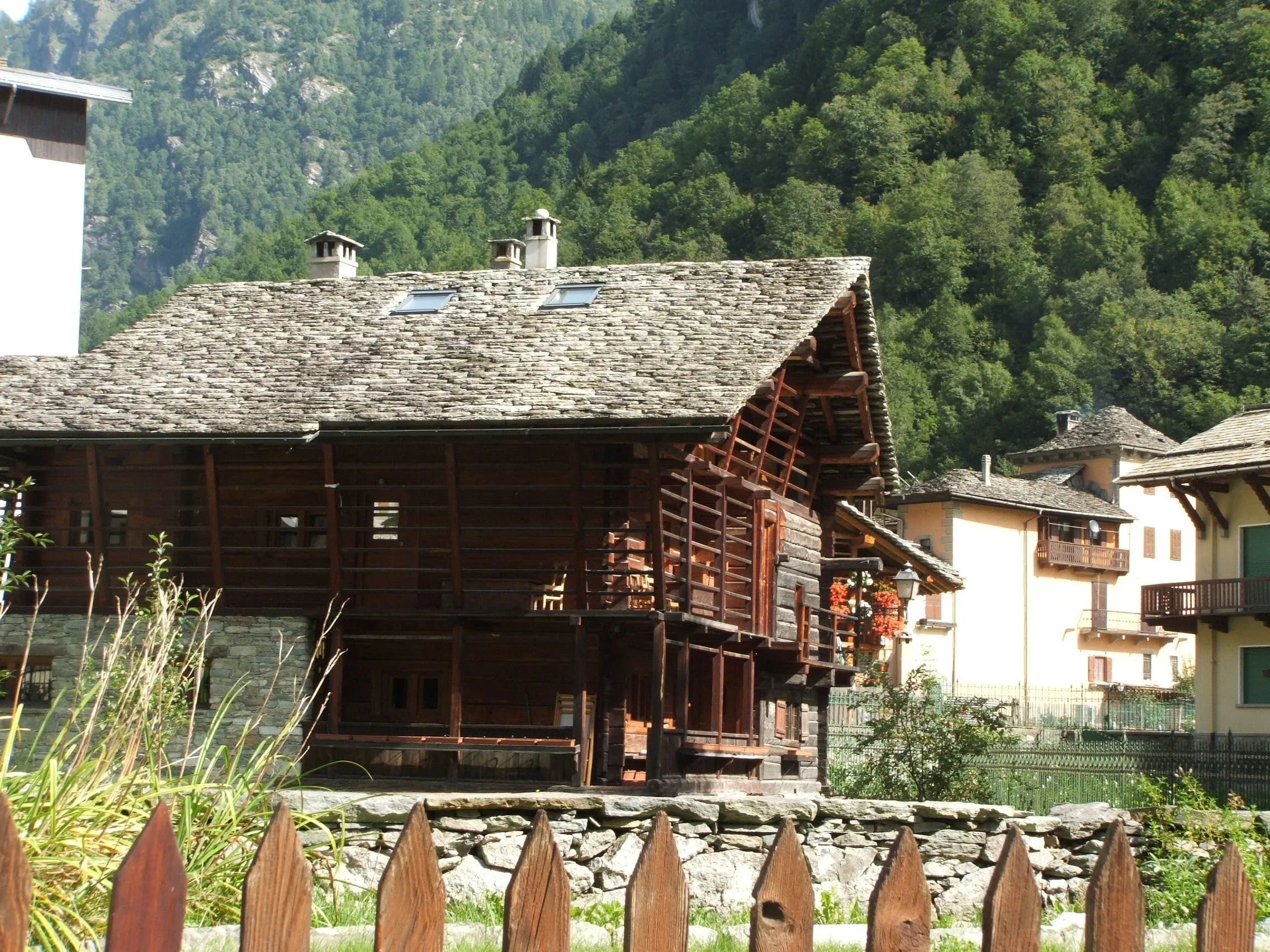
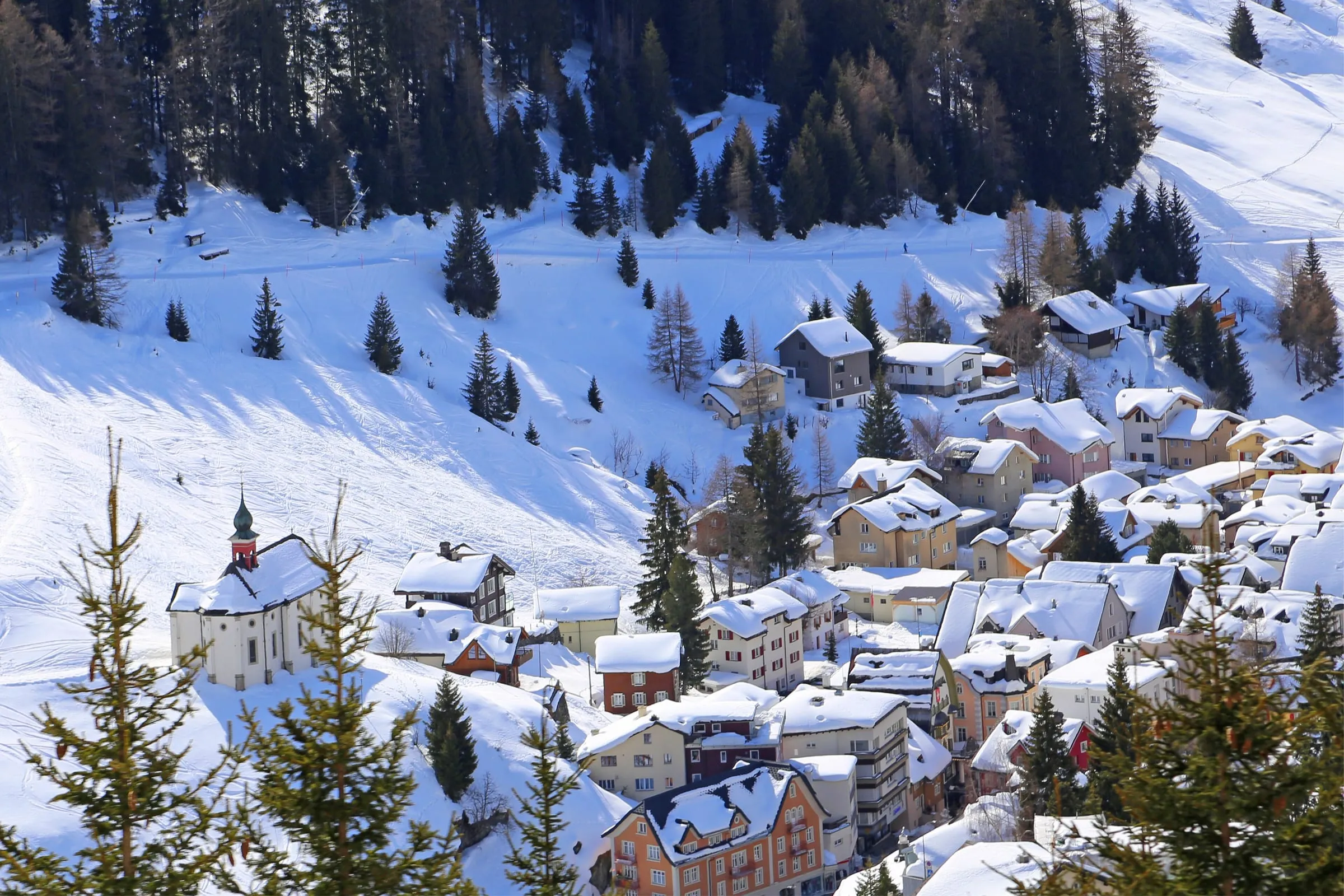
The village itself is Walser, founded by German-speaking settlers from Switzerland in the Middle Ages, and its old wooden houses on stone bases are still the heart of it. It’s a small place with a serious mountain on its doorstep.
Alagna ski area: steep, high and wild
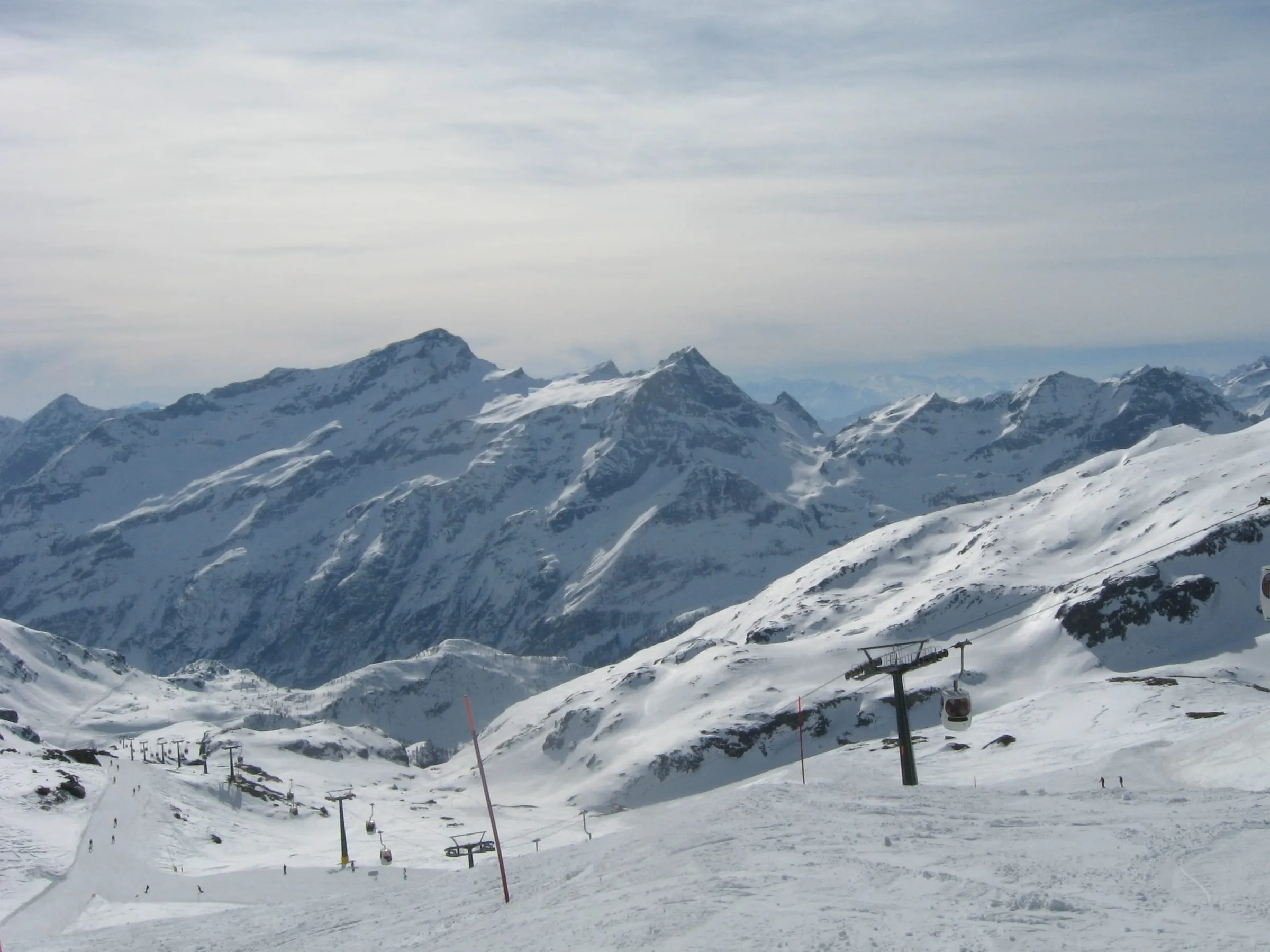
Alagna’s own lifts are few but big:
- The Alagna to Pianalunga gondola climbs from the village at 1,212 m to Pianalunga at about 2,059 m, roughly 850 m of vertical.
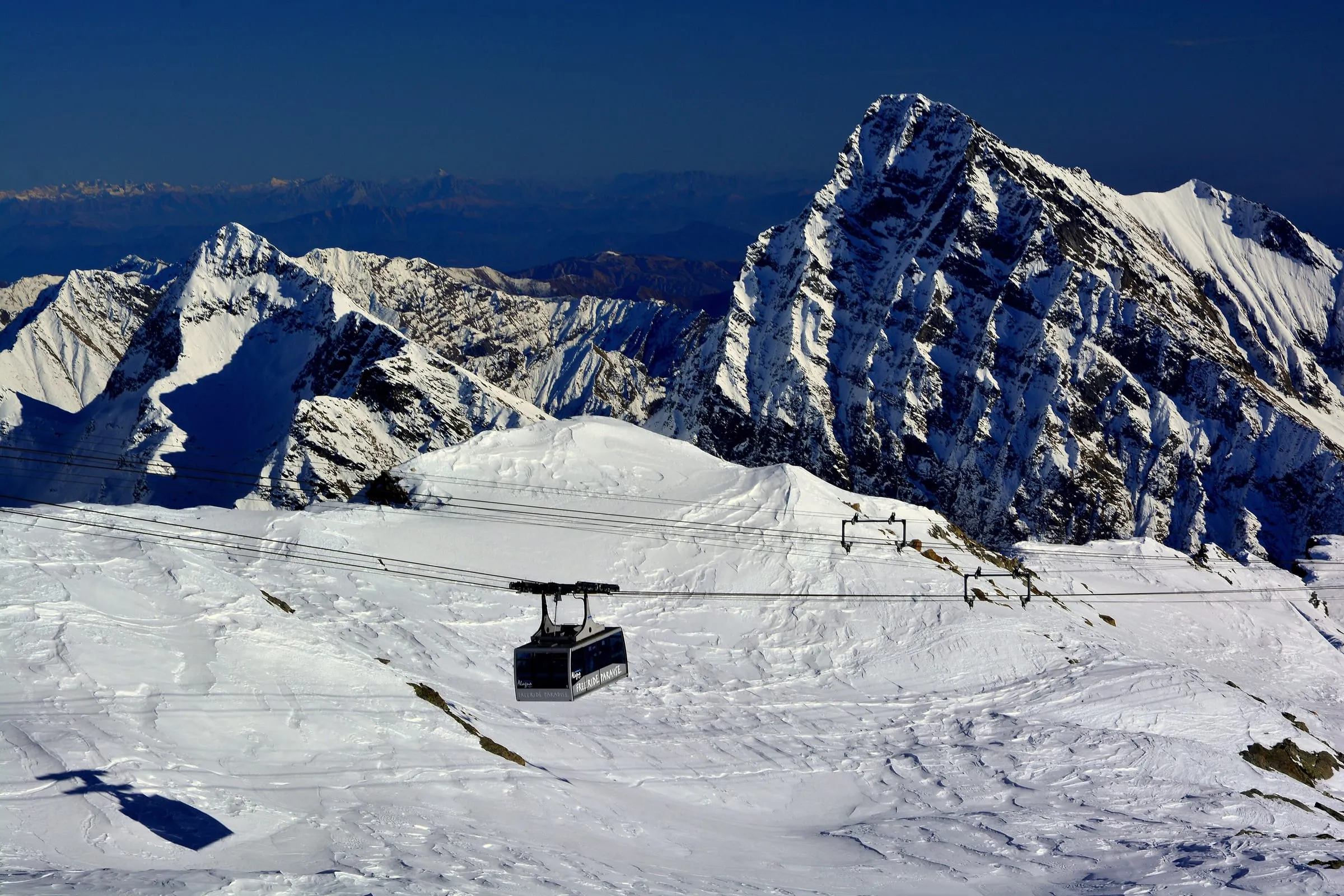
- The Funifor cable car continues from Pianalunga past Cimalegna to the Passo dei Salati at about 2,970 m.
- The Cimalegna to Salati chairlift (2,650 m to 3,030 m) serves the high plateau, and the Pianalunga to Bocchetta chairlift (2,030 m to 2,403 m) the middle of the mountain.
There’s also a small beginner area at Wold, just above the village, with a drag lift and a magic carpet. Monterosa Ski lists 16 pistes on the Alagna side.
Across the whole of Monterosa Ski, Italy’s official tourism site lists 28 blue, 73 red and 11 black runs, from 1,212 m at Alagna to 3,275 m, and more than 100 km of pistes in total.
Skiing in Alagna for beginners
Alagna isn’t really a beginners’ resort. You can start on the Wold area just above the village, with a drag lift serving a blue and a red run, and there’s a ski-school area with a magic carpet at Pianalunga. The Cimalegna plateau, near 3,000 m, has wide blue runs for skiers who can already get around. But for real progression, beginners should head over the Salati to the Gressoney side.
Skiing in Alagna for intermediates
Good intermediates will enjoy the blues on the Cimalegna plateau, the runs around Pianalunga and, above all, the link: from the Passo dei Salati, the whole Gressoney and Champoluc side opens up, with plenty of long reds. The Mullero runs between Bocchetta delle Pisse and Pianalunga are sportier, for strong intermediates.
Skiing in Alagna for experts
The famous piste is the black Olen, a demanding descent from the Passo dei Salati to Pianalunga, often shaped by the wind. Continue on the Alagna run to the village and you’ve skied more than 1,800 m of vertical. But it’s the off-piste that makes Alagna’s name.
Alagna freeride: the Monterosa Freeride Paradise
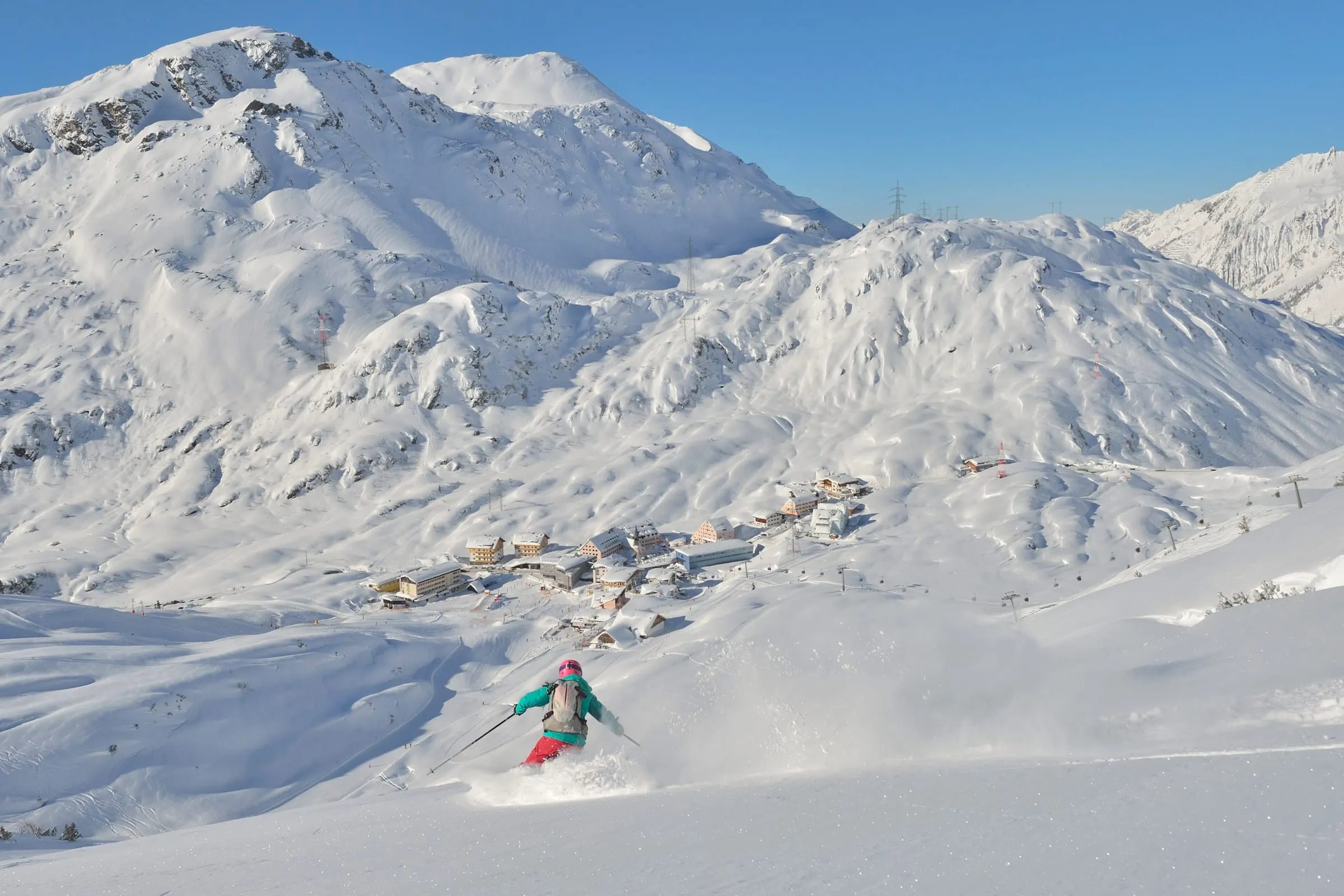
The Italian ski guide NeveItalia calls freeride and ski touring Alagna’s “most authentic vocation”. The key is the cable car from the Passo dei Salati to Punta Indren at 3,275 m, which is included only in the Monterosa Freeride Paradise pass. Punta Indren is not a groomed area: it’s a starting point for off-piste.
From the top, the classic routes include:
- The Balma, across the Bors valley, with about 1,900 m of vertical down towards Alagna.
- Descents into the Olen and Otro valleys, including the Passo della Civera route down to Zube, with views over the Val d’Otro.
- Steep couloirs such as the Canale Perazzi, which reaches 55 degrees.
Italy’s tourism site also lists heli-skiing routes around Alagna, and the village has a big ice-climbing scene in winter. In spring, ski mountaineers head for the 4,000 m peaks, including Punta Giordani, the Piramide Vincent and the Capanna Margherita at 4,554 m, Europe’s highest mountain hut.
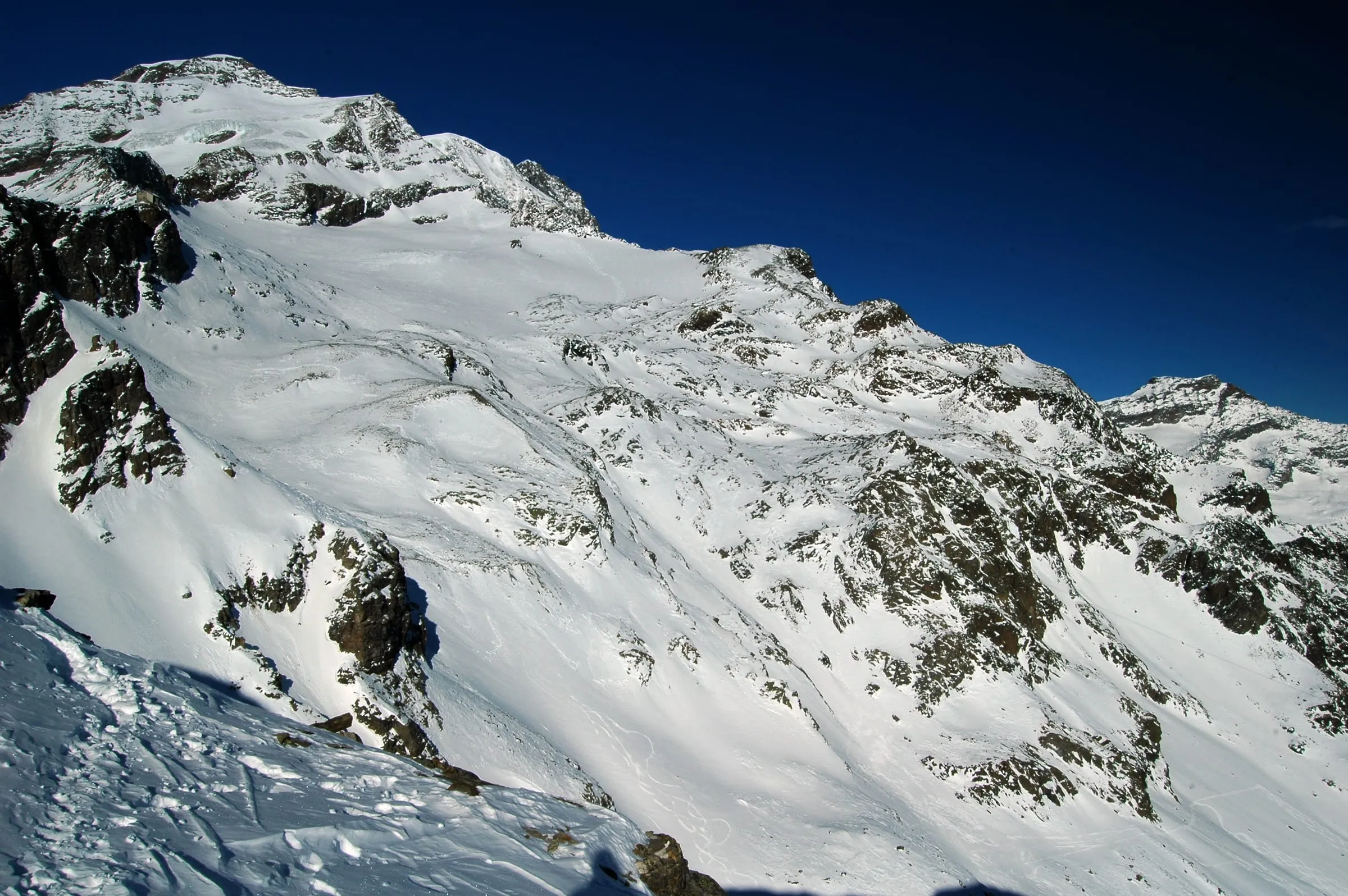
This is serious, glaciated, avalanche-prone terrain. Italian law makes an avalanche transceiver, shovel and probe compulsory off-piste, and local UIAGM mountain guides lead groups of every level. Unless you know the mountain well, go with one.
Snow in Alagna and the 2026/27 season
For 2026/27, the Monterosa Ski 3 Valleys area, including Alagna, is scheduled to open on Saturday 28 November 2026 and close on Sunday 11 April 2027, snow permitting. Alagna’s tourist office says the best powder usually comes in January and February.
Alagna’s strength is its altitude range: from about 1,200 m in the village to nearly 3,000 m on the lifts and 3,275 m at Punta Indren. Most of its pistes have snowmaking, including the run back to the village. Its weakness is the wind. When the Passo dei Salati link closes because of wind or bad weather, the skiing in Alagna is much reduced, and the high runs like the Olen depend on how the wind has shaped the snow.
Is Alagna good for a last-minute ski trip?
For the right skier, very much so:
- Freeriders, watch the forecast and book after a big snowfall, when the off-piste is at its best. Go with a guide.
- Close to Milan. Milan Malpensa is about 100 km away, closer than it is to Gressoney or Champoluc.
- Early opening. The lifts are scheduled to open on 28 November.
But check the wind forecast before you commit: a windy week can shut the link to the rest of the area. Look at the live lift status on the Monterosa Ski website, then find a place to stay in Alagna.
Alagna lift passes
Monterosa Ski sells three passes for 2026/27: the Monterosa Ski 3 Valli pass (Alagna, Gressoney-La-Trinité and Champoluc, plus the satellite areas), the Monterosa Freeride Paradise pass (the same plus the Punta Indren lift), and a Satellite Ski Areas pass that includes Alpe di Mera, lower in the Valsesia.
Day passes for the 3 Valleys use dynamic pricing, from €40 to €71 for 2026/27, and online is cheaper than the ticket office. If your first lift is in Alagna, buy online from the separate Valsesia webshop that Monterosa Ski links to.
Italian law requires third-party liability insurance. Monterosa Ski’s cover costs €3.50 a day, or €1.50 for skiers born after 31 October 2018, and without it first aid on the slopes costs €200. Helmets are compulsory for everyone.
Après-ski and things to do in Alagna
Alagna is a mountaineers’ village, not a party resort. After skiing, the tourist office suggests a craft beer at the Centro bar. Beyond that:
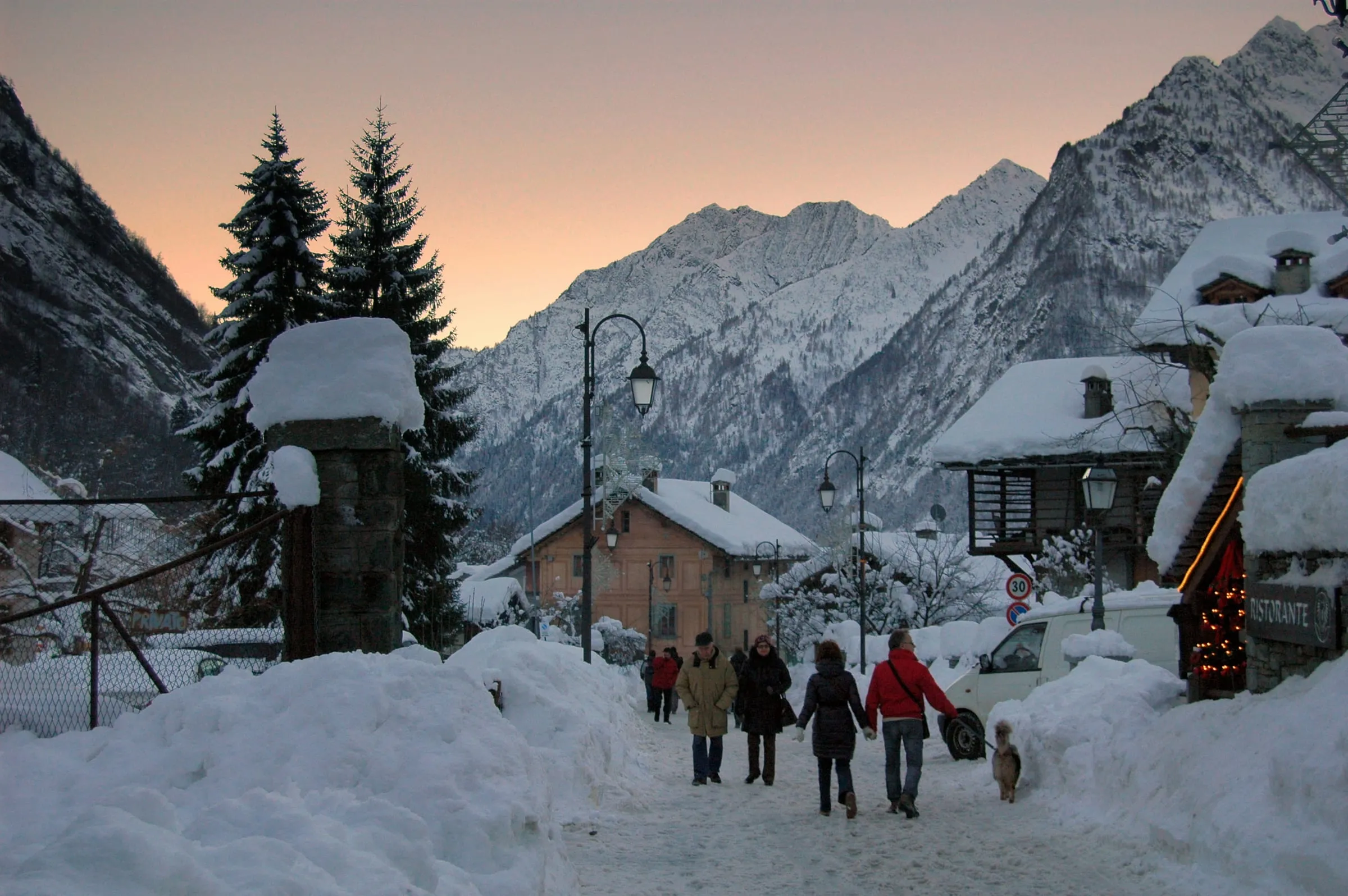
- Walser heritage: traditional houses, a Walser museum in an old dwelling, and local food such as polenta concia and Walser cake.
- Ice climbing on frozen falls around the village, with local guides.
- Mountain restaurants up the mountain, part of Monterosa Ski’s high-altitude dining.
- The Alta Valsesia Nature Park, described by Italy’s tourism site as the highest protected area in Europe.
Who Alagna suits, and who it doesn’t
- Great for: freeriders and ski tourers, strong skiers who want big vertical, anyone who loves a real Walser village, and skiers from Milan.
- Think twice if: you’re a beginner or nervous intermediate, you want lots of groomed variety from the door, or you want nightlife. In a windy spell, the skiing can be very limited.
Skiing with children? Read our guide to Alagna with kids.
How to get to Alagna
Driving to Alagna
From Milan, Turin or Genoa, take the A26 towards Gravellona Toce and leave at Romagnano Sesia–Ghemme. Follow the SS299 up the Valsesia to Alagna: about 65 km and 90 minutes from the motorway. The last 36 km from Varallo take about 40 minutes, mostly at 50 km/h. In winter, carrying chains and having snow tyres is compulsory.
By train and bus
Take the train to Novara or Vercelli. From Novara, Baranzelli coaches run from Milan via Novara and Varallo to Alagna (buy tickets on board). From Vercelli, ATAP line 50 runs via Varallo to Alagna. In Alagna, a free ski shuttle runs while the lifts are open.
Nearest airports
Milan Malpensa (about 100 km) is the closest airport, followed by Milan Linate and Turin (both about 160 km). There are no direct bus or train links from the airports, so a taxi or hire car is the easiest option.