France
 Austria
 Italy
 Switzerland
 English
 Deutsch
 Nederlands
 Español
 Čeština
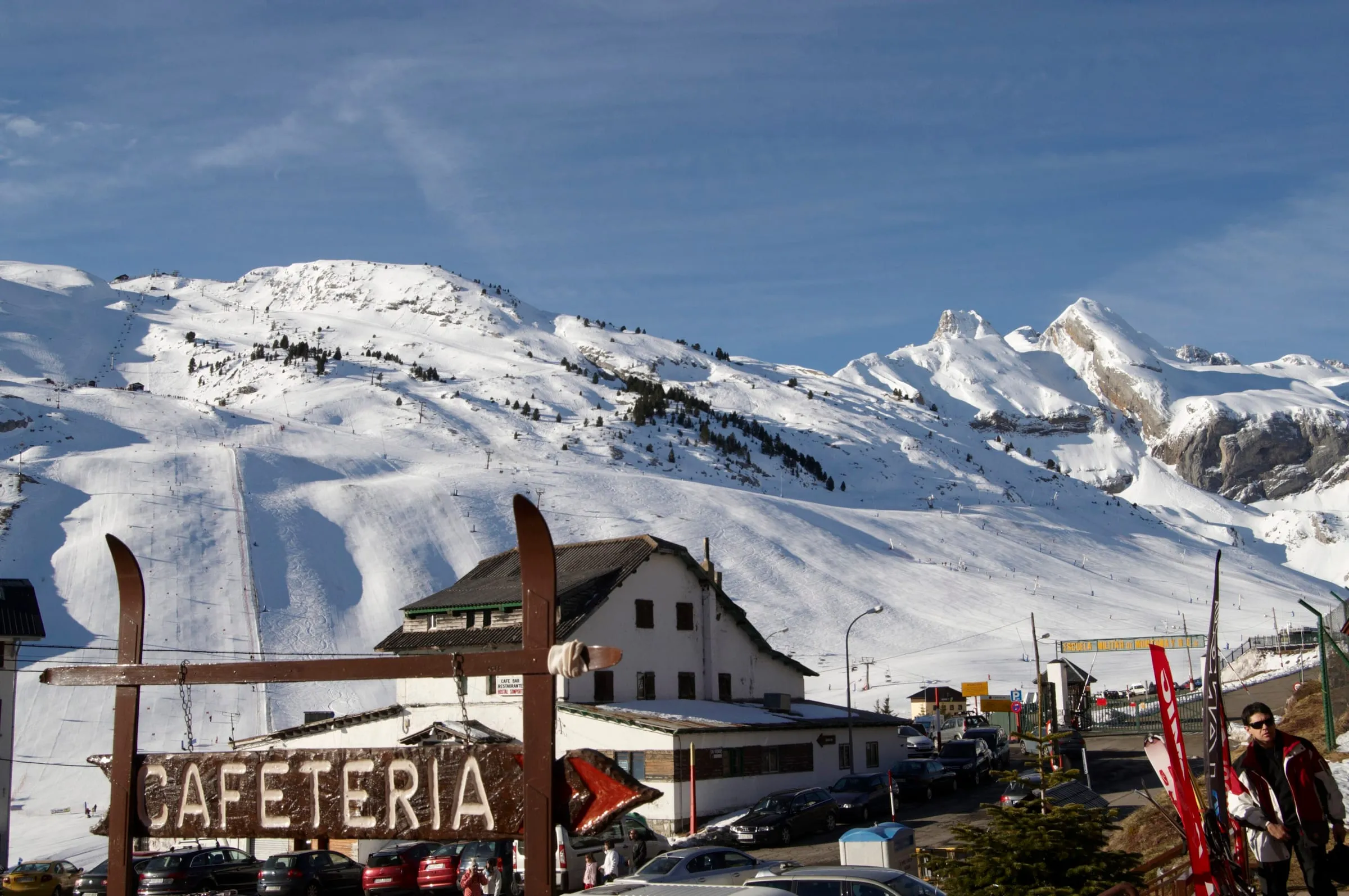
Candanchú is where skiing in Spain began. The resort dates its history to 1928, and Aragón’s tourist board calls it the first ski resort opened in the country. It sits at the head of the Aragón valley in the Pyrenees, in the municipality of Aísa, about 1 km from the Somport pass and the French border, 28 km from Jaca and 11 km from Canfranc.
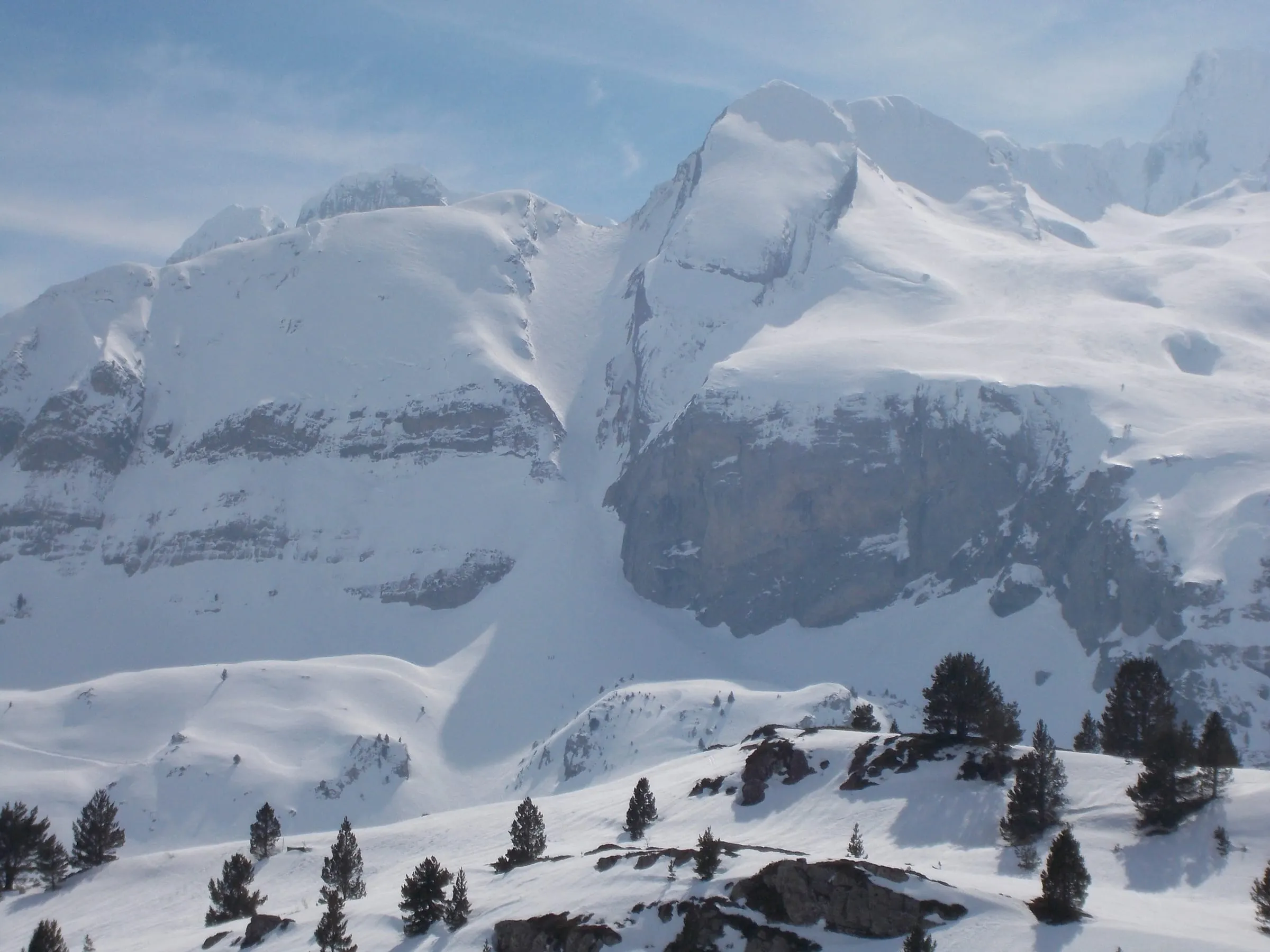
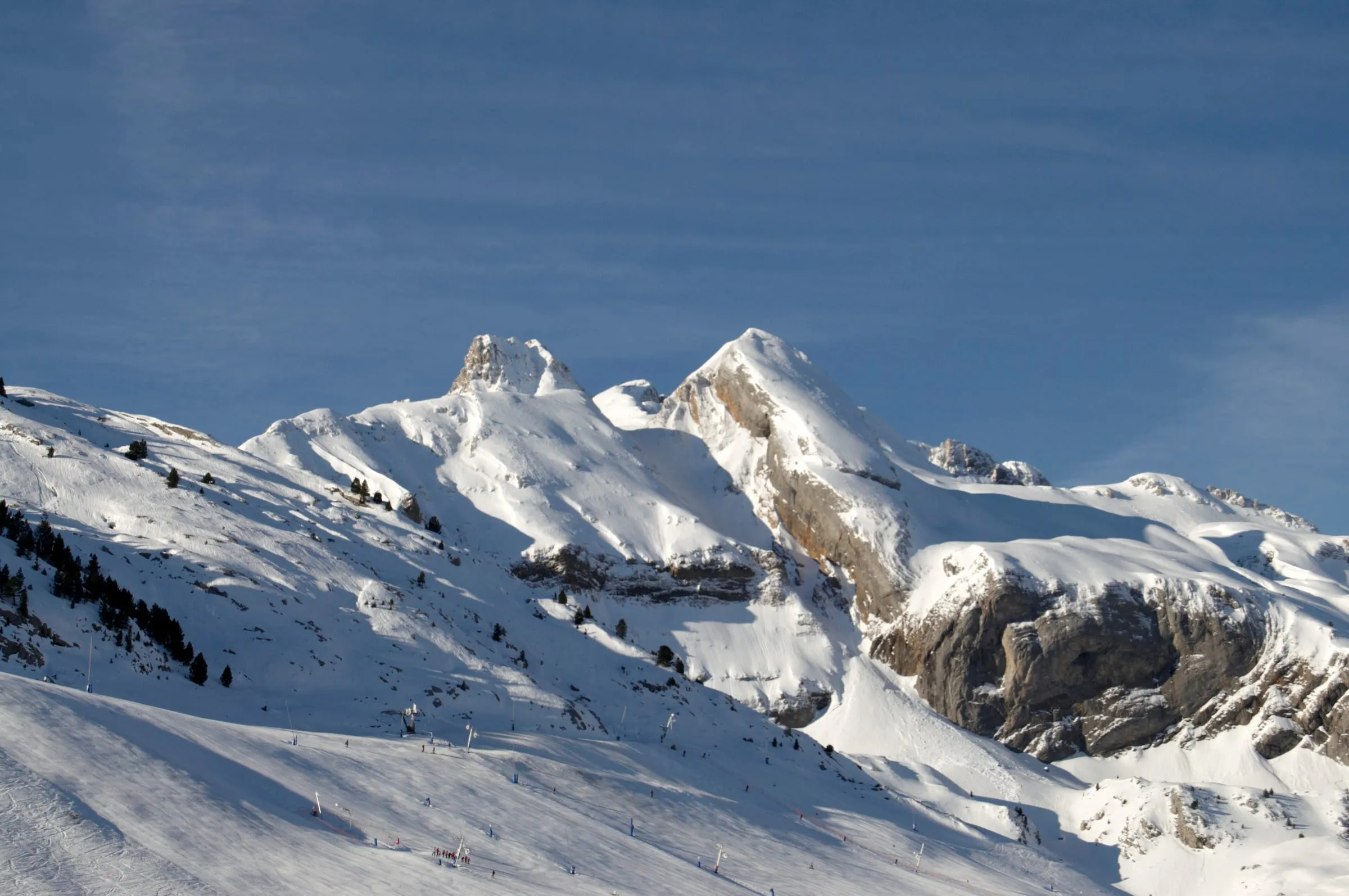
Today it shares a lift pass with its neighbour Astún, and together they sell themselves as Astún-Candanchú, with 101 km of pistes. Candanchú has the more dramatic setting: steep limestone walls and the Aspe peaks above the slopes. It’s also one of the best places in Spain to learn.
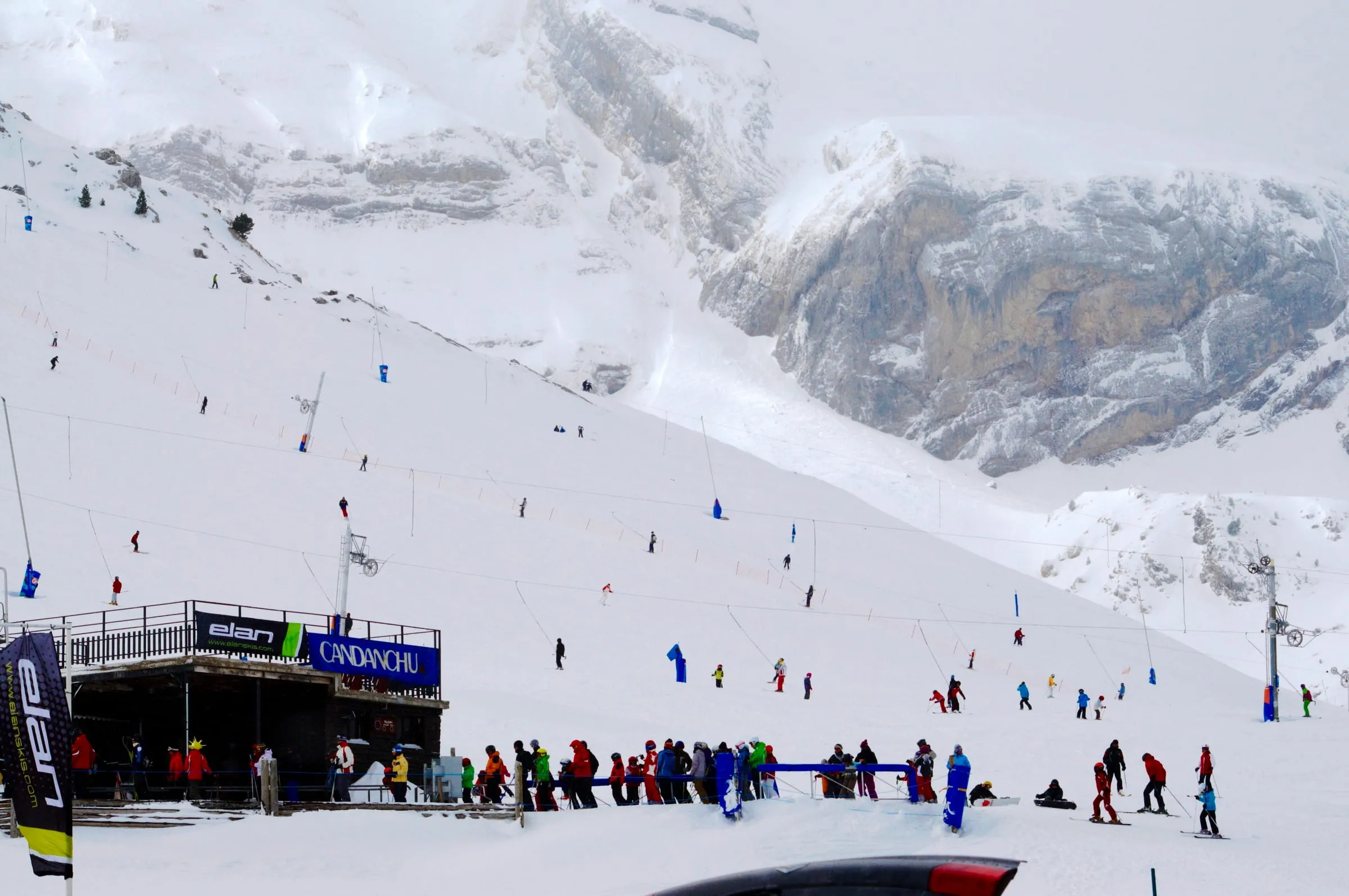
Candanchú ski area: four zones below the Aspe peaks
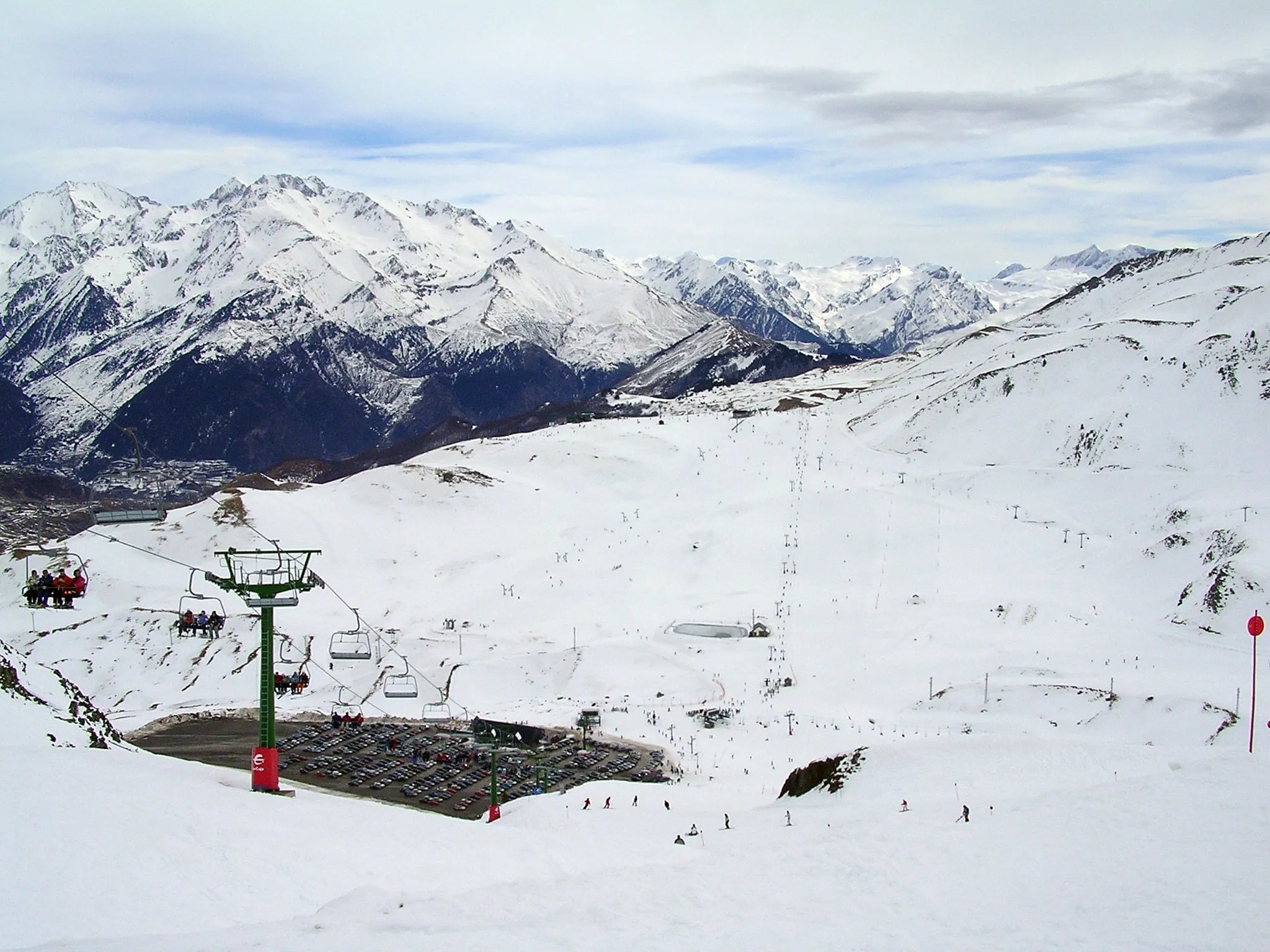
The resort splits its slopes into four zones: Pista Grande, at the foot of the resort, Tobazo, Tuca Blanca and Rinconada. The highest skiing is at the Tuca Blanca, which the resort puts at 2,400 m, at the foot of the Pico Aspe. The base is at about 1,530 m.
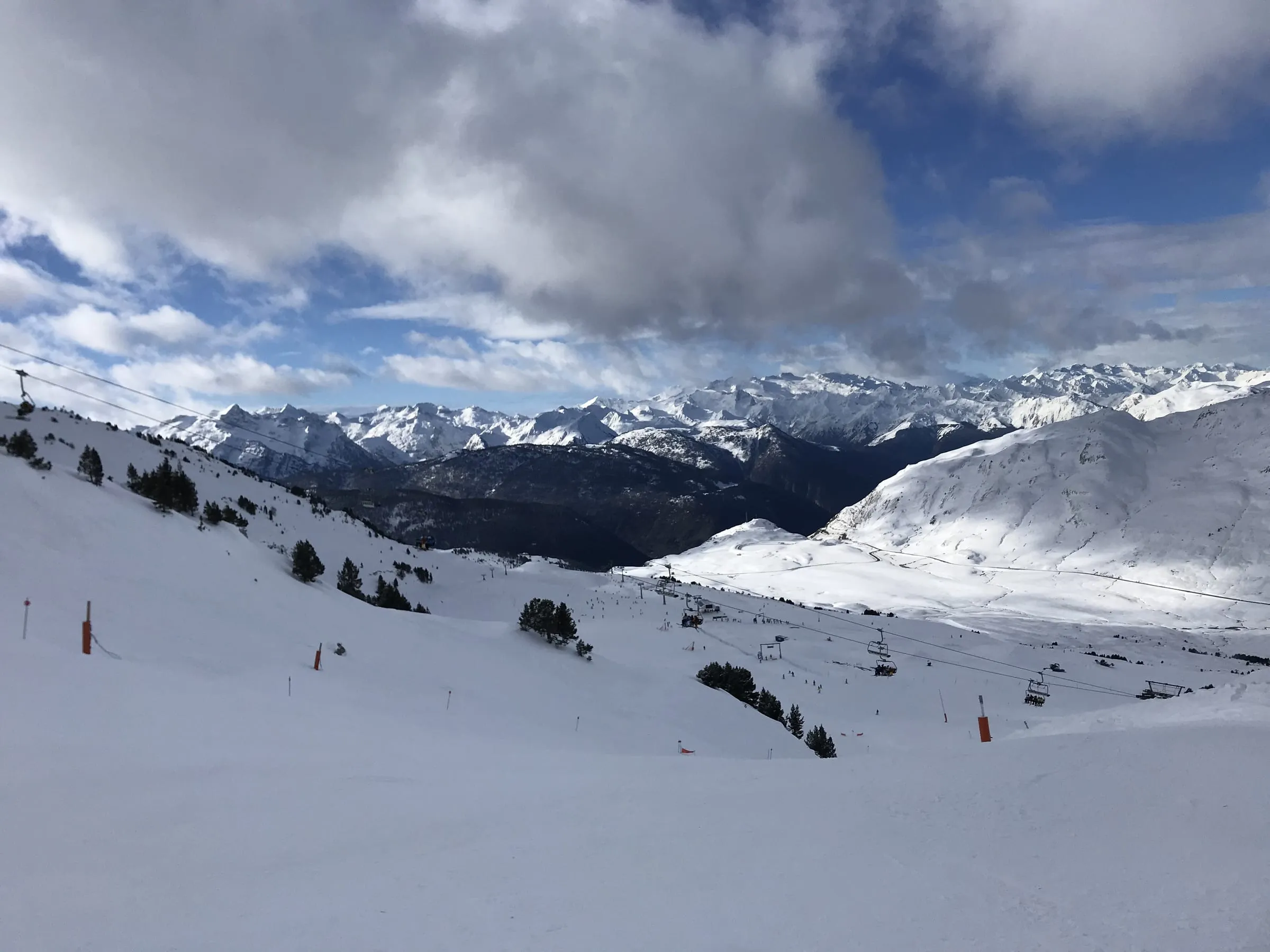
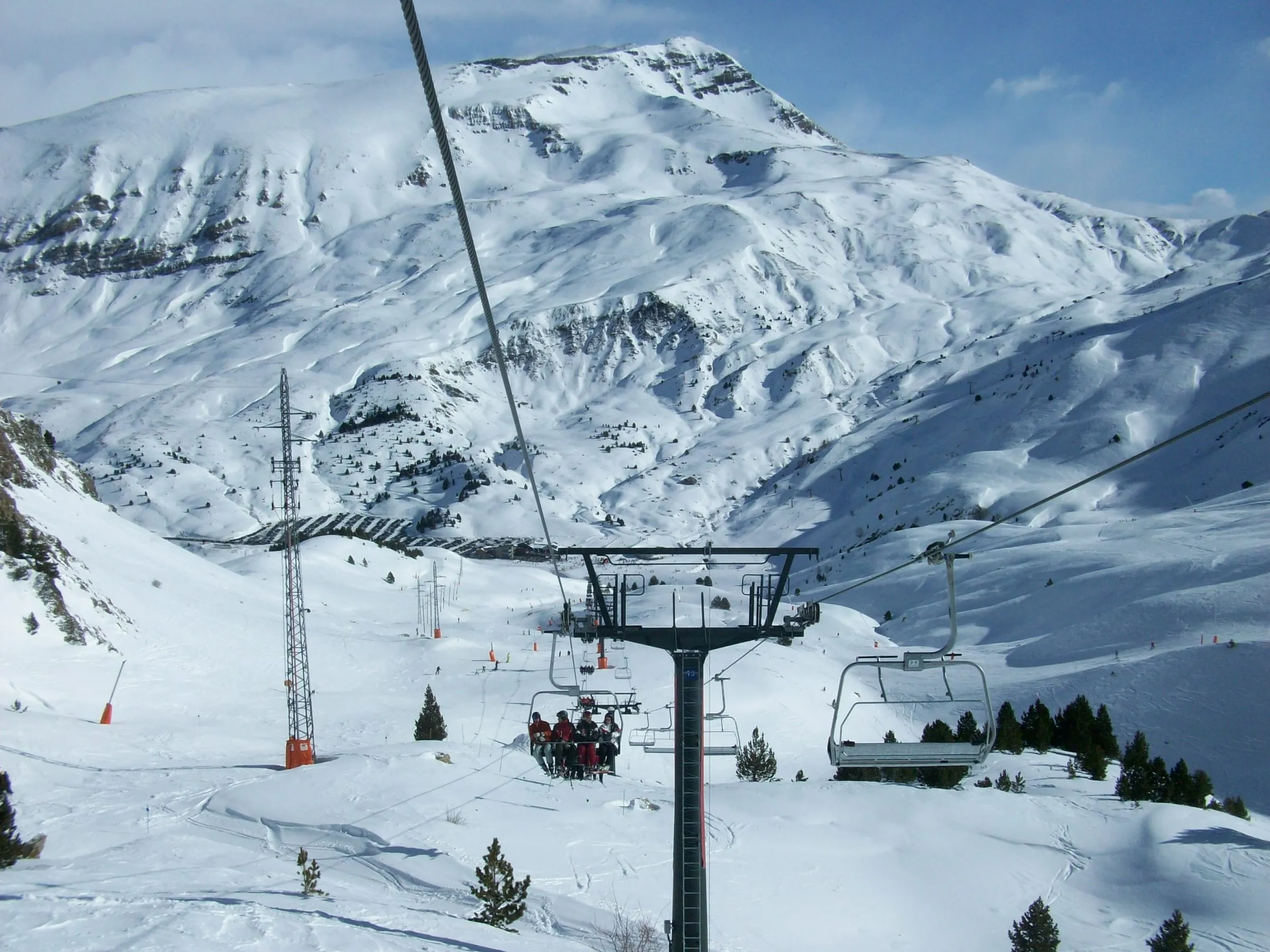
Candanchú has 25 lifts with a capacity of 26,000 people an hour, according to the resort, many of them drag lifts. There are four restaurant buildings on the slopes, and five places to eat and drink in all.
Combined with Astún, the shared ski area has 110 marked runs (14 green, 31 blue, 35 red and 30 black), 40 lifts and about 20 km of pistes with snowmaking, according to the joint Astún-Candanchú technical sheet. Aragón’s tourist board puts Astún’s share at about 50 km, between 1,658 m and 2,300 m.
Skiing in Candanchú for beginners
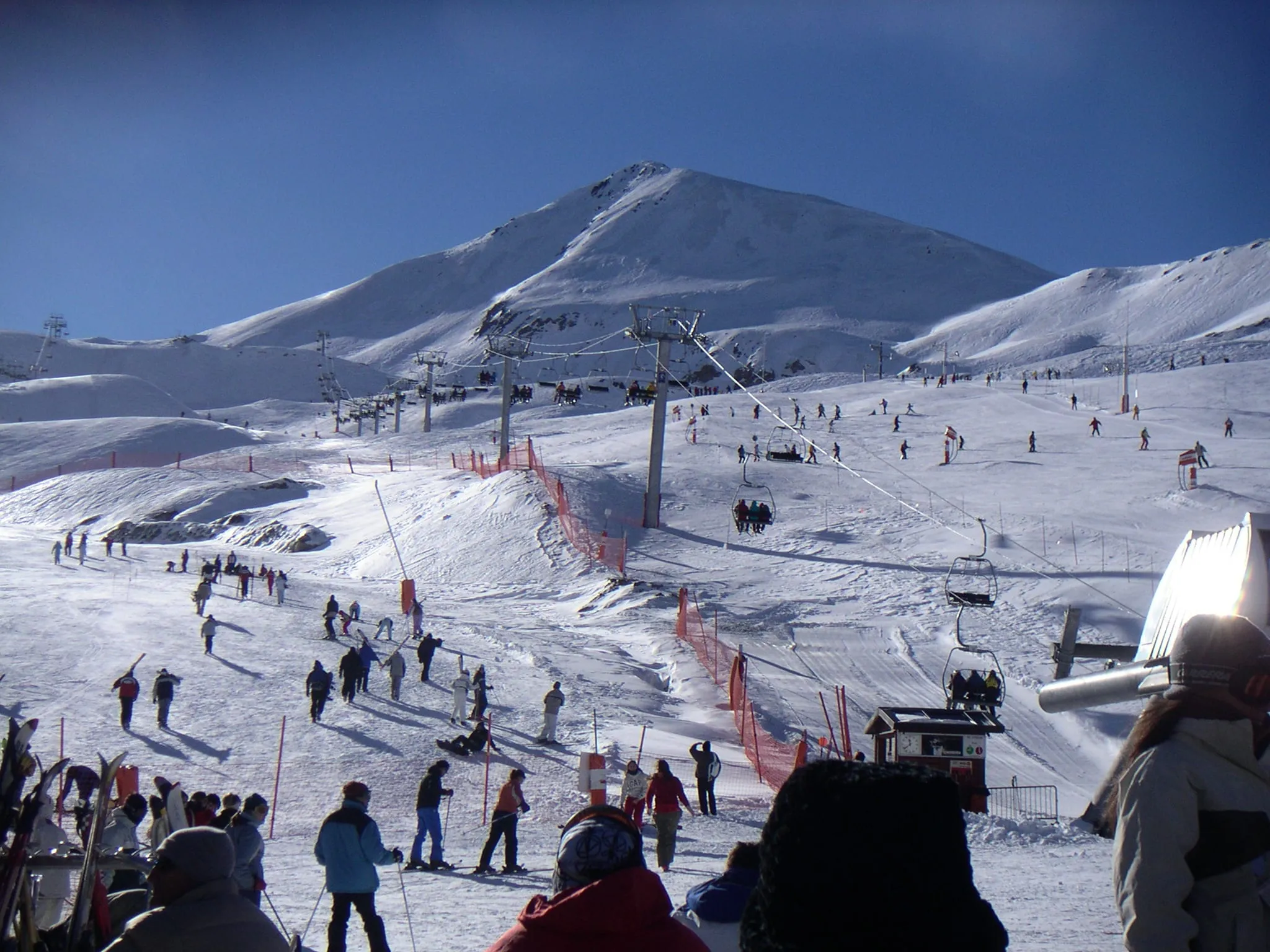
Beginners are well looked after. Aragón’s tourist board calls Pista Grande one of the best places in the country to learn, and it’s right by the car parks, cafés and ski school meeting point. The 2026/27 pass list includes a beginner pass valid only on the learning lifts at Candanchú and Astún, and combos with equipment hire, or hire and lessons at weekends.
Skiing in Candanchú for intermediates
Intermediates can spread out across the four zones, and the shared pass gives you Astún as well, a short bus ride away. The tourist board singles out the Tobazo as one of Candanchú’s classic runs.
Skiing in Candanchú for experts
With 30 black runs across the two resorts, there’s plenty to keep strong skiers busy, and the Tuca Blanca zone takes you to the highest skiing in Candanchú. Off-piste in this rocky, high-mountain terrain is serious: go with a qualified guide.
The Astún-Candanchú gondola: what’s changing
Candanchú and Astún are about 6 km apart by road, and for now you move between them on a free shuttle bus. It stops at Pista Grande and the church in Candanchú and at the Astún car park. The published timetable shows seven runs a day on weekdays and roughly one every half hour on holidays.
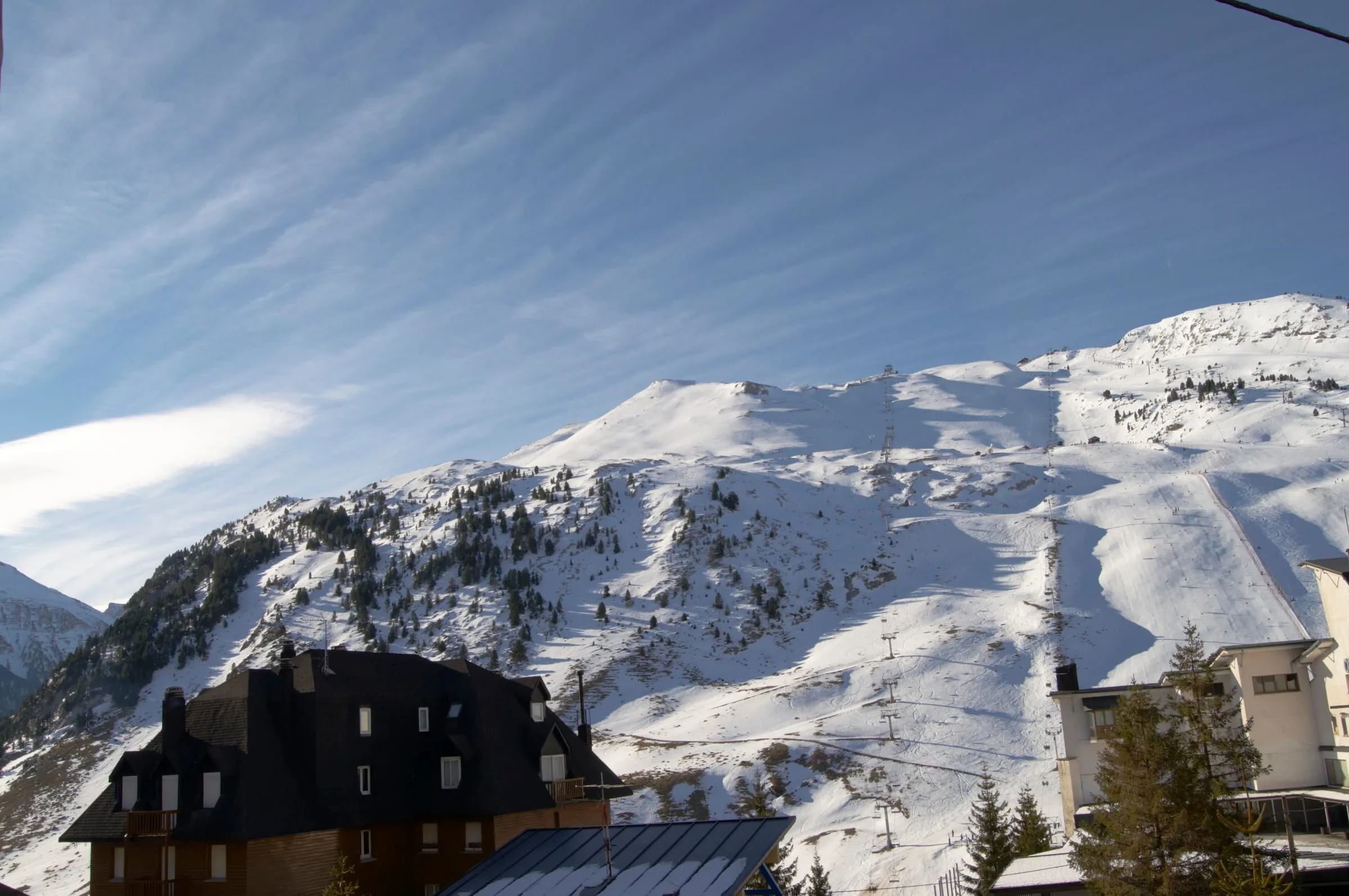
That will change. The first stone of a gondola linking the two resorts was laid on 23 July 2026. It will be 3,595 m long, in two sections with a middle station at Piedras Rojas, and take a little over ten minutes. The Candanchú station is at the base next to Pista Grande. The first phase, with 24 ten-seat cabins carrying up to 600 people an hour, is planned for the 2027/28 season, so it won’t be running this winter.
Snow in Candanchú and the 2026/27 season
No opening date for 2026/27 had been announced by 1 November 2026. Last season, Candanchú closed on 5 April 2026 after 121 days of skiing; the season before, it closed on 13 April 2025. Expect it to open in early December, snow permitting.
The resort has 135 snow cannons covering 8 km of its pistes, and announced new snowmaking investment as part of Aragón’s regional plan in October 2024. Even so, snow in the Pyrenees varies a lot from year to year, and Candanchú’s slopes are fairly low, from about 1,530 m to 2,400 m. A good storm can make it superb; a dry spell leaves the lower slopes thin.
Is Candanchú good for a last-minute ski trip?
Yes, if you’re within driving distance. The resort is only about 1 km from the French border, so it’s as easy to reach from Pau as from Jaca, and the joint Astún-Candanchú site gives road distances of 137 km from Pamplona and 168 km from Zaragoza. That makes it a natural choice when a storm hits the western Pyrenees.
Before you book, check the snow report for how much is open, especially in Tuca Blanca and Rinconada, and whether Astún is running too. Then find a place to stay in Candanchú.
Candanchú lift passes
The standard day pass is an Astún-Candanchú pass, valid at both resorts. The 2026/27 price list is on Astún’s website, and buying online is cheaper than at the ticket office. Things worth knowing:
- Age bands for 2026/27: Baby up to 5, Infantil from 6 to 11, Adult from 12 to 64 and Senior from 65. Babies aren’t free: they need a Baby pass, proof of age, an adult with a pass and a helmet on every run.
- A beginner pass covers only the learning lifts at both resorts.
- Día azul: cheaper passes on Fridays that aren’t holidays, at the ticket office.
- Large families with the Spanish familia numerosa card get a discount at the ticket office.
- The Ski Pirineos season pass covers six resorts in Aragón, including Candanchú and Astún.
Après-ski and things to do in Candanchú
Candanchú is a small, quiet ski village, not a party resort. The main après-ski is Barambán, in the Pista Grande car park, which opens when the slopes close, from 17:00 to 21:00. It’s for over-18s; 16 to 18-year-olds can go in with a parent or guardian.
Off the slopes, the resort has three cross-country circuits, a biathlon stadium and a snowshoe circuit. Down the valley, Canfranc’s restored international railway station, now a hotel with a Michelin-starred restaurant, is worth a visit, and Jaca, 28 km away, is a historic town with plenty of restaurants.
Who Candanchú suits, and who it doesn’t
- Great for: families and beginners, skiers from Aragón, Navarre and south-west France, cross-country skiers, and anyone who likes a historic resort with big mountain scenery.
- Think twice if: you want a big, modern lift system (many of the lifts are drags), lively nightlife, or snow you can count on in a dry winter. Until the gondola opens, skiing Astún means taking the bus.
Skiing with children? Read our guide to Candanchú with kids.
How to get to Candanchú
Driving to Candanchú
From Spain, drive to Jaca, then up the Aragón valley through Canfranc to Candanchú, 28 km in all. From France, come up the Aspe valley from Pau and Oloron-Sainte-Marie and cross into Spain either over the Col du Somport or through the 8.6 km Somport road tunnel. Candanchú is just below the pass on the Spanish side.
The resort has free parking until it’s full, including space for motorhomes. In winter, carry chains or fit winter tyres, and check road conditions with Spain’s traffic authority (DGT) before you set off.
By train and bus
Regional trains run from Zaragoza and Huesca to Jaca, and some continue to Canfranc. From Jaca, the Jaca–Astún–Candanchú bus, run by the Mancomunidad Alto Valle del Aragón, covers the last stretch. Services are limited, so check the timetables before you travel.
Nearest airports
Pau in France and Zaragoza are the most practical airports, and Tarbes-Lourdes is another option on the French side. You’ll need a hire car or a transfer from any of them.