France
 Austria
 Italy
 Switzerland
 English
 Deutsch
 Nederlands
 Español
 Čeština
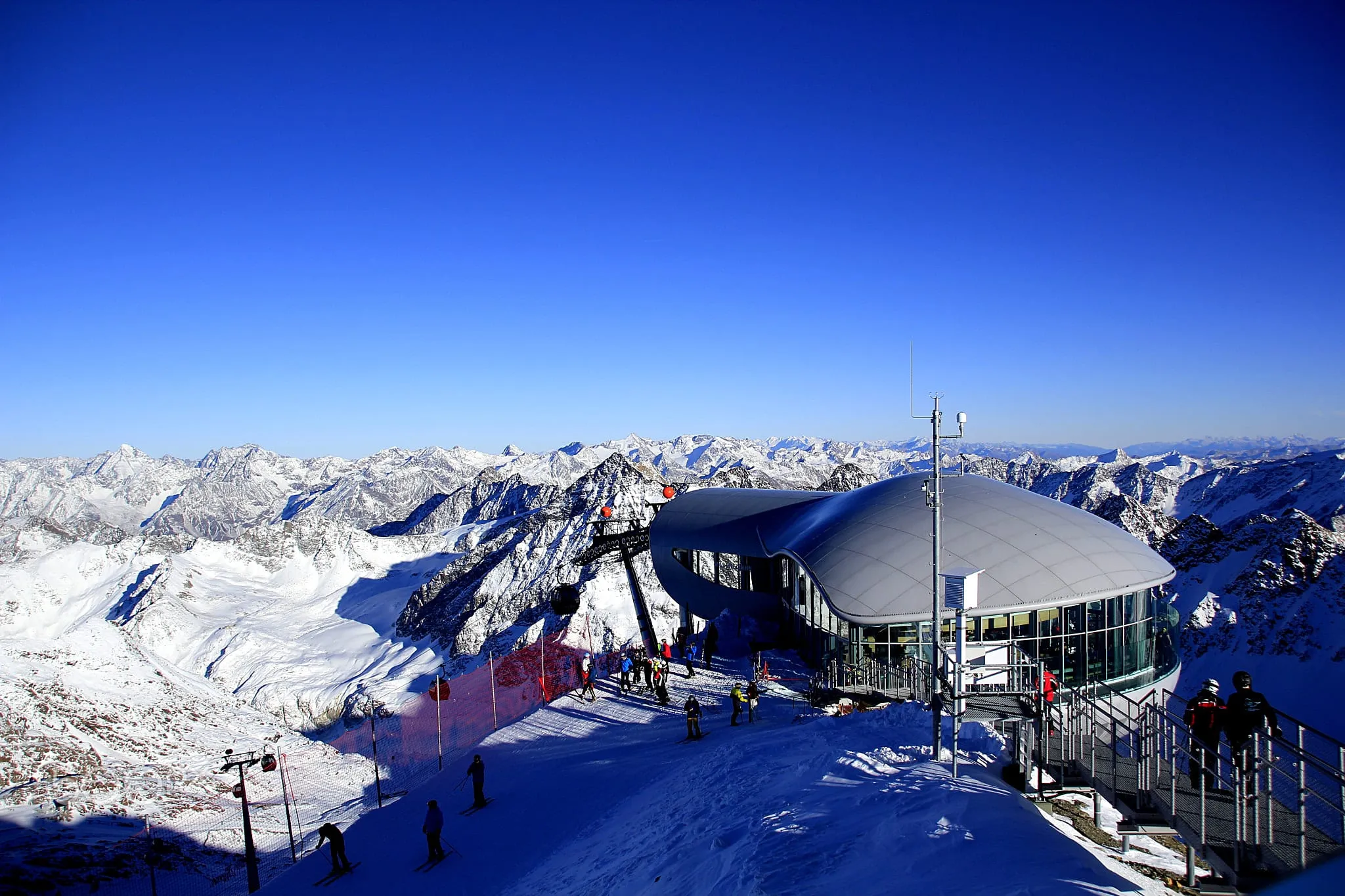
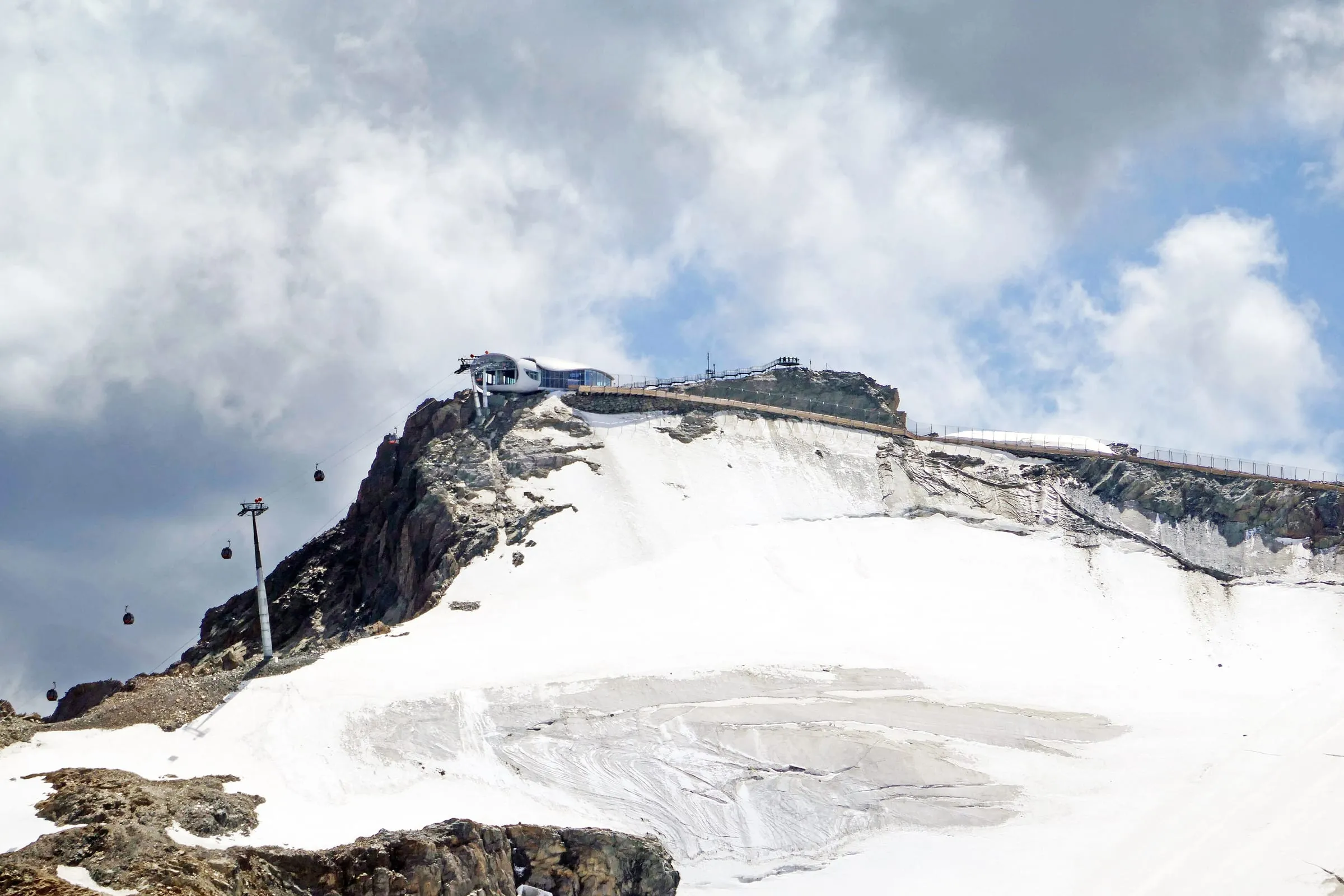
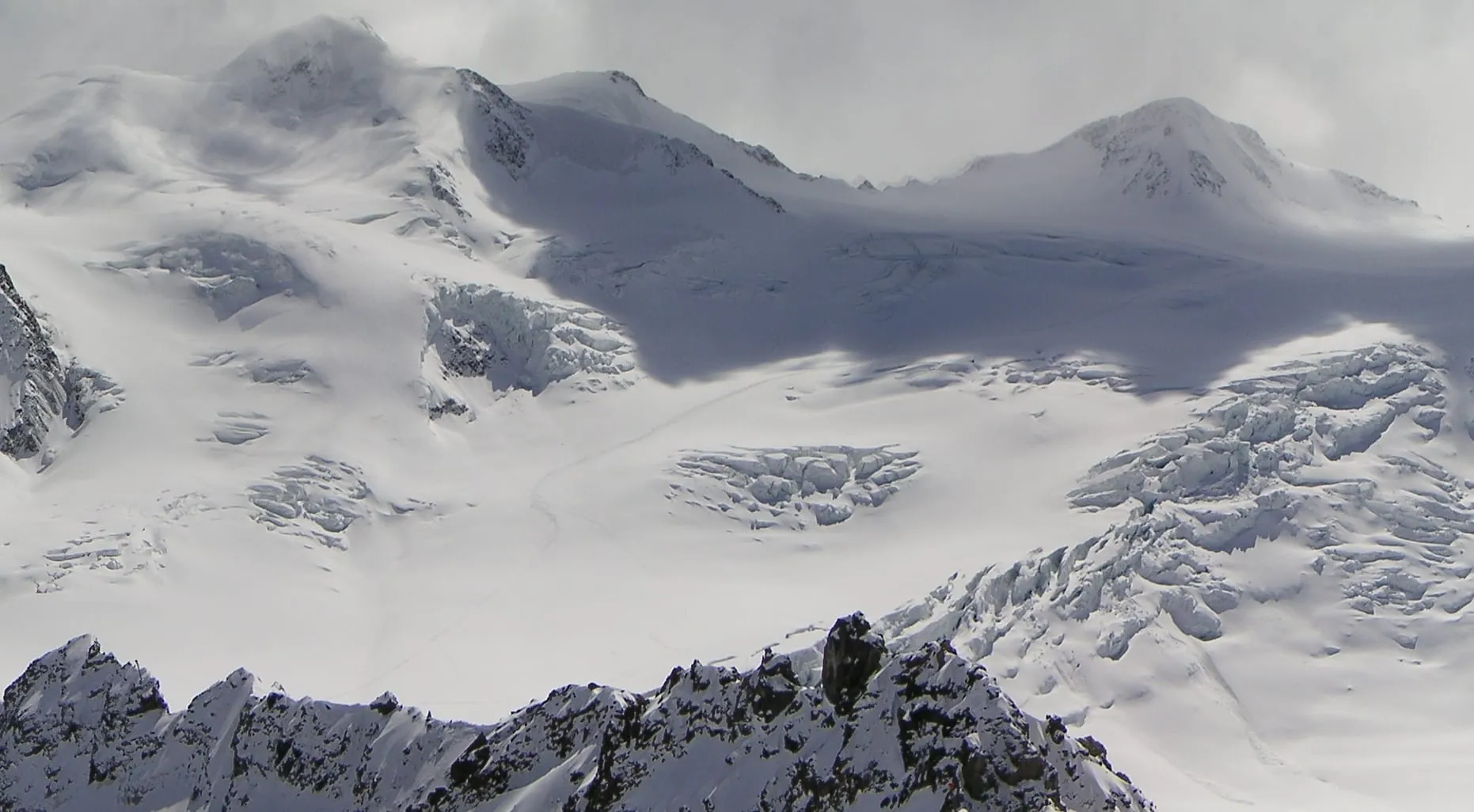
The Pitztal is a long, narrow side valley that runs almost 40 km south from Imst, in the Inn Valley, deep into the Ötztal Alps. At the very end of the road, beyond the hamlets of Mandarfen and Mittelberg, is the Pitztal Glacier, which the lift company calls Austria’s highest ski area. Its top lift reaches 3,440 m, and Café 3440 at the top station looks across to the Wildspitze (3,774 m), Tyrol’s highest peak.
For a site about where to ski right now, the Pitztal is one of Austria’s most useful names. The glacier opens in late September and runs to early May, and the lower Rifflsee area adds midwinter skiing from the same village. When most of the Alps is waiting for snow, this is one of the places that’s already open.
Pitztal ski area: the glacier, Rifflsee and Hochzeiger
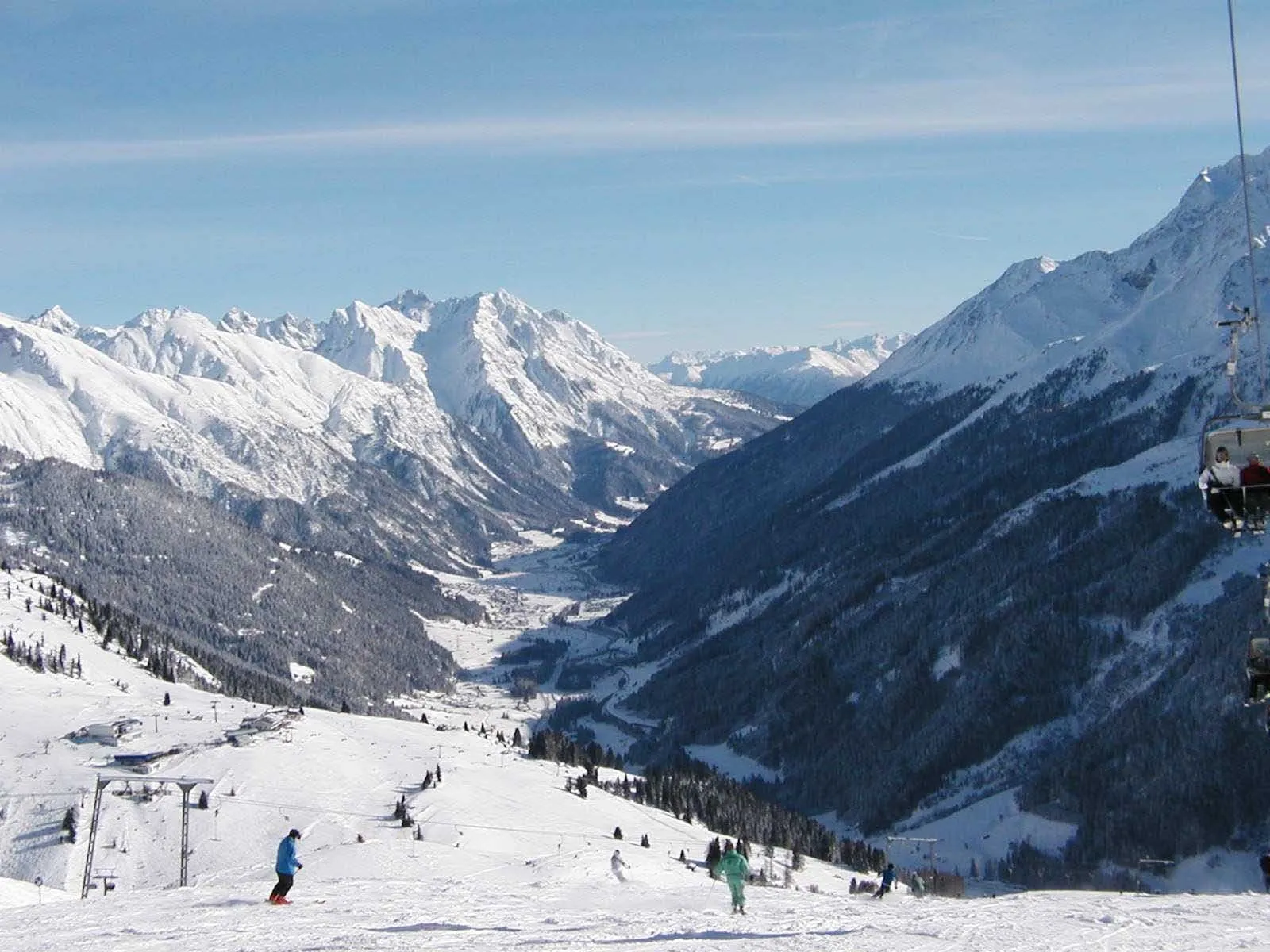
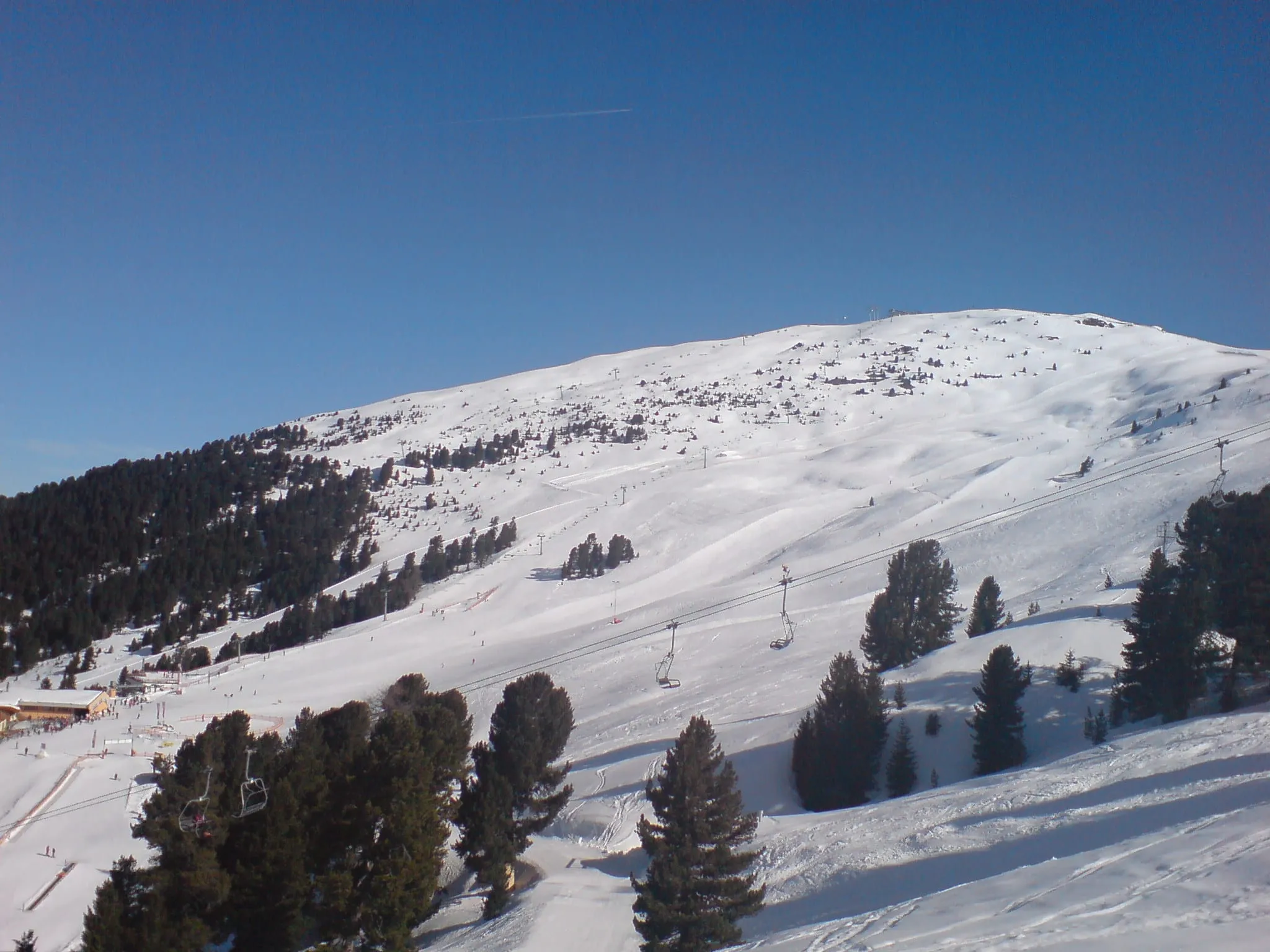
The Pitztal Glacier and Rifflsee are run as one ski area on one pass, with 67 km of pistes and 30 km of freeride variants and lines, according to the lift company. Tyrol’s tourist board counts 13 lifts: three gondolas, a funicular, four chairlifts, four drag lifts and a conveyor. About half the pistes are intermediate.
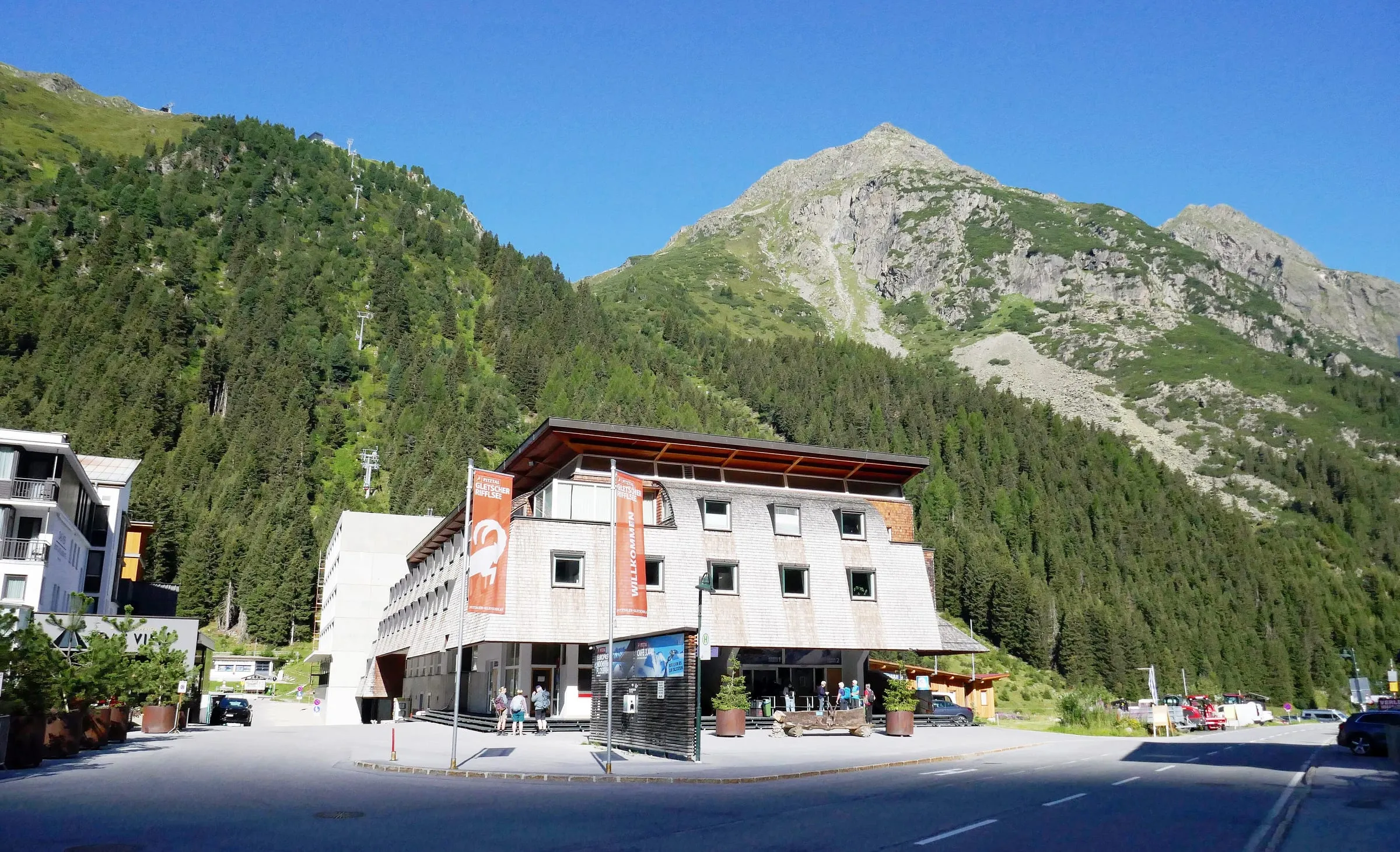
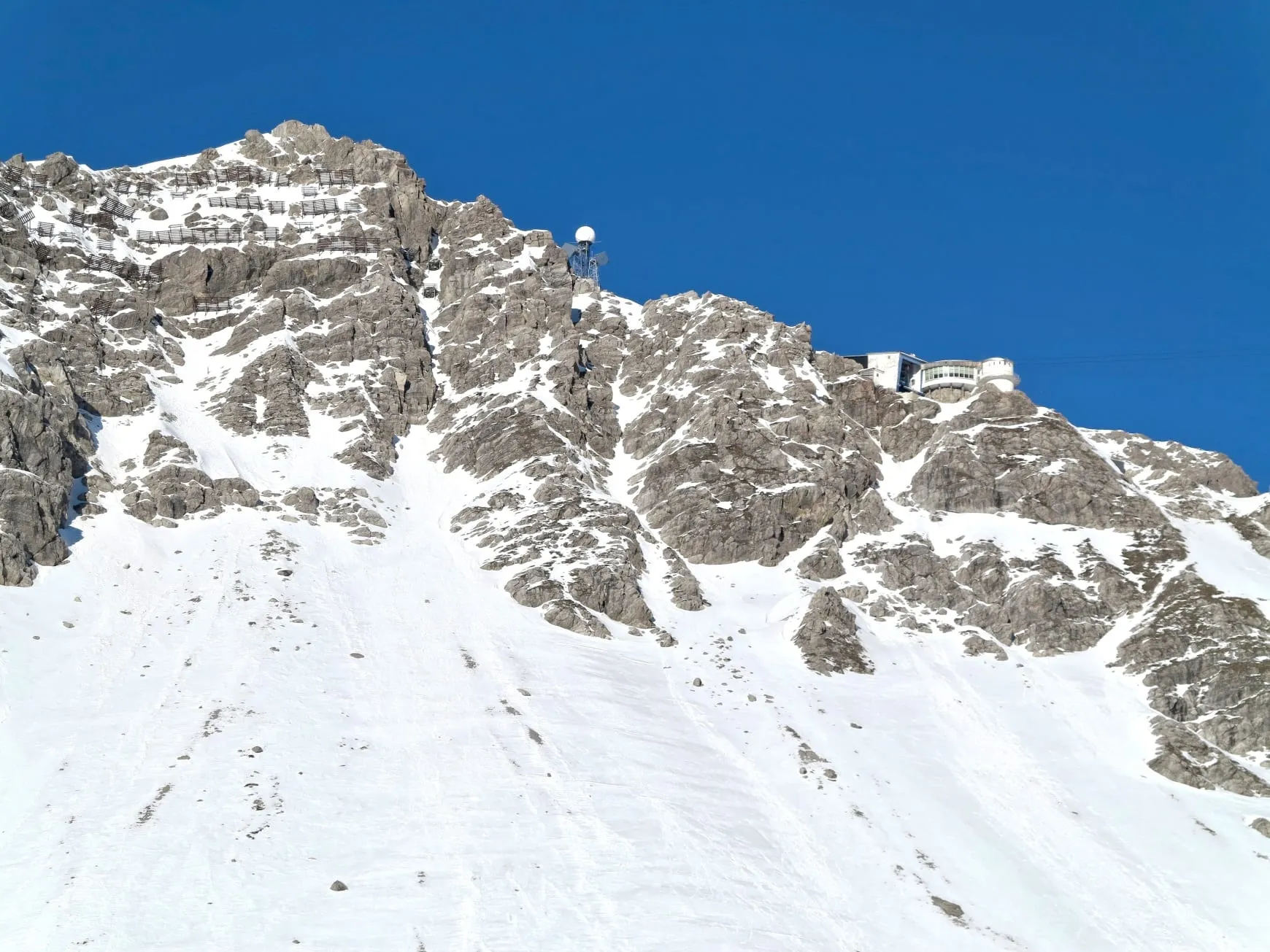
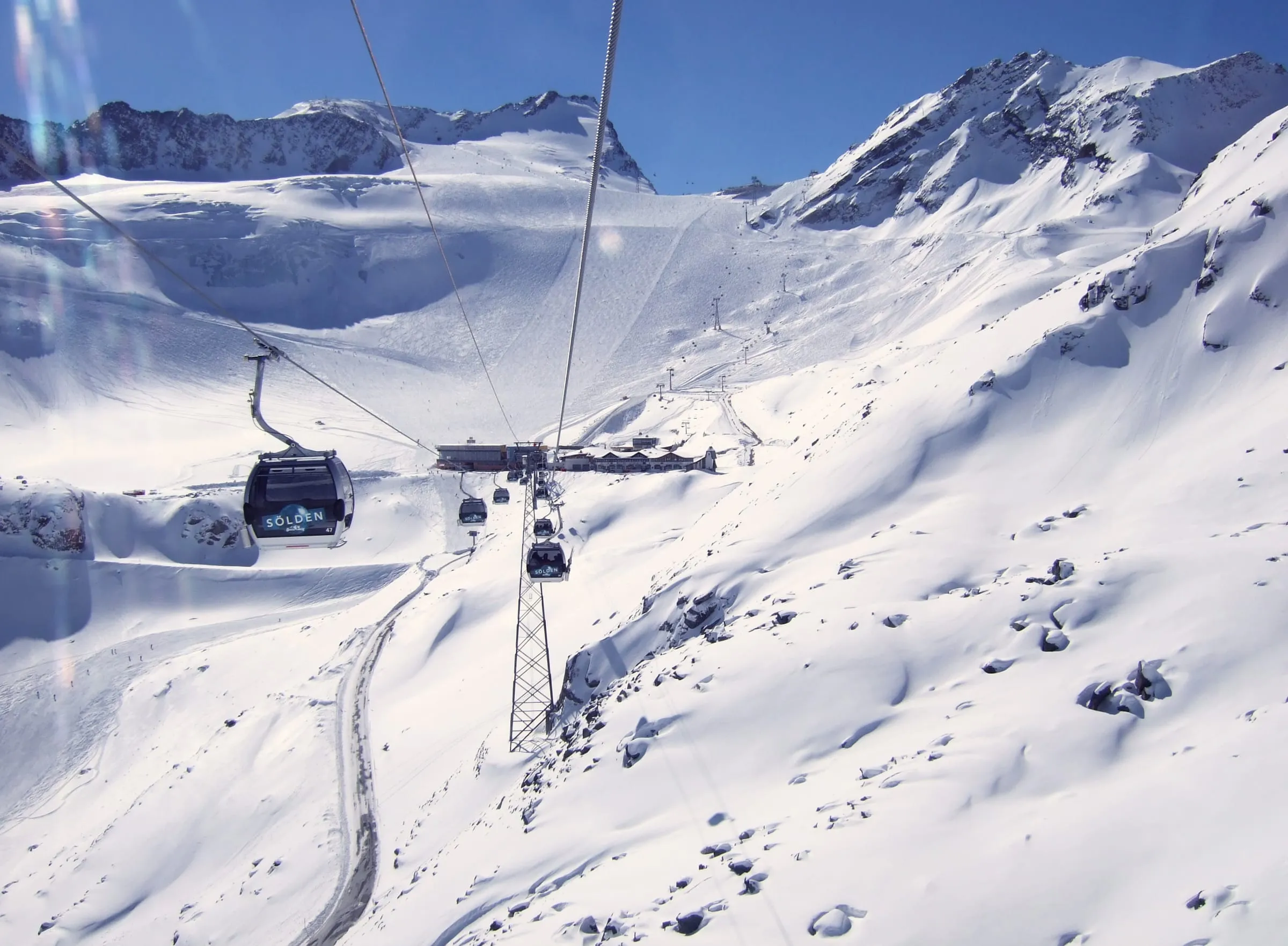
- The glacier is reached by the Gletscherexpress, a funicular from the valley station at Mittelberg (about 1,740 m) to 2,840 m. It first ran in 1983 and was rebuilt in 2022. From there, the Wildspitzbahn, Austria’s highest cable car, climbs to the Hinterer Brunnenkogel at 3,440 m.
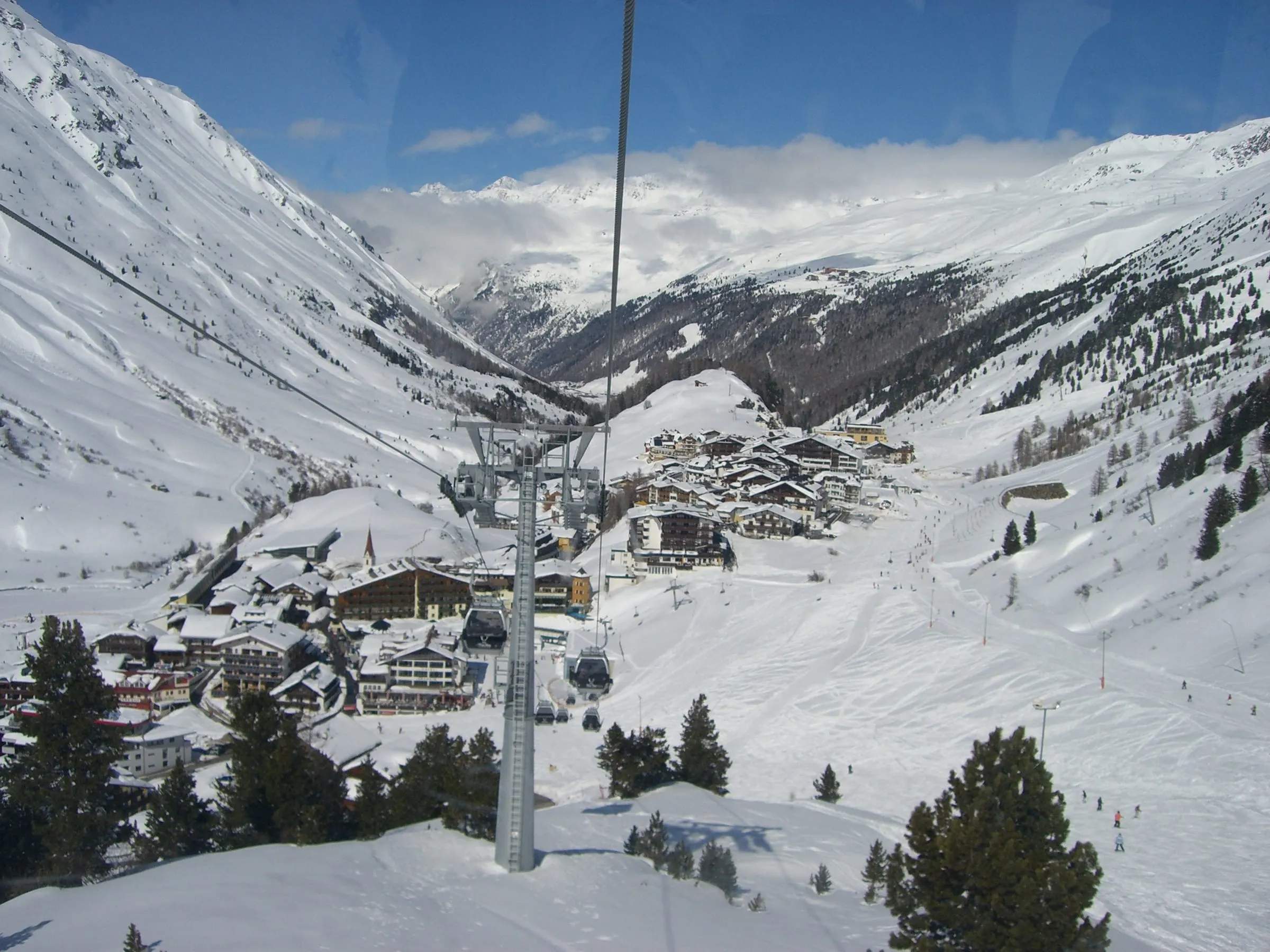
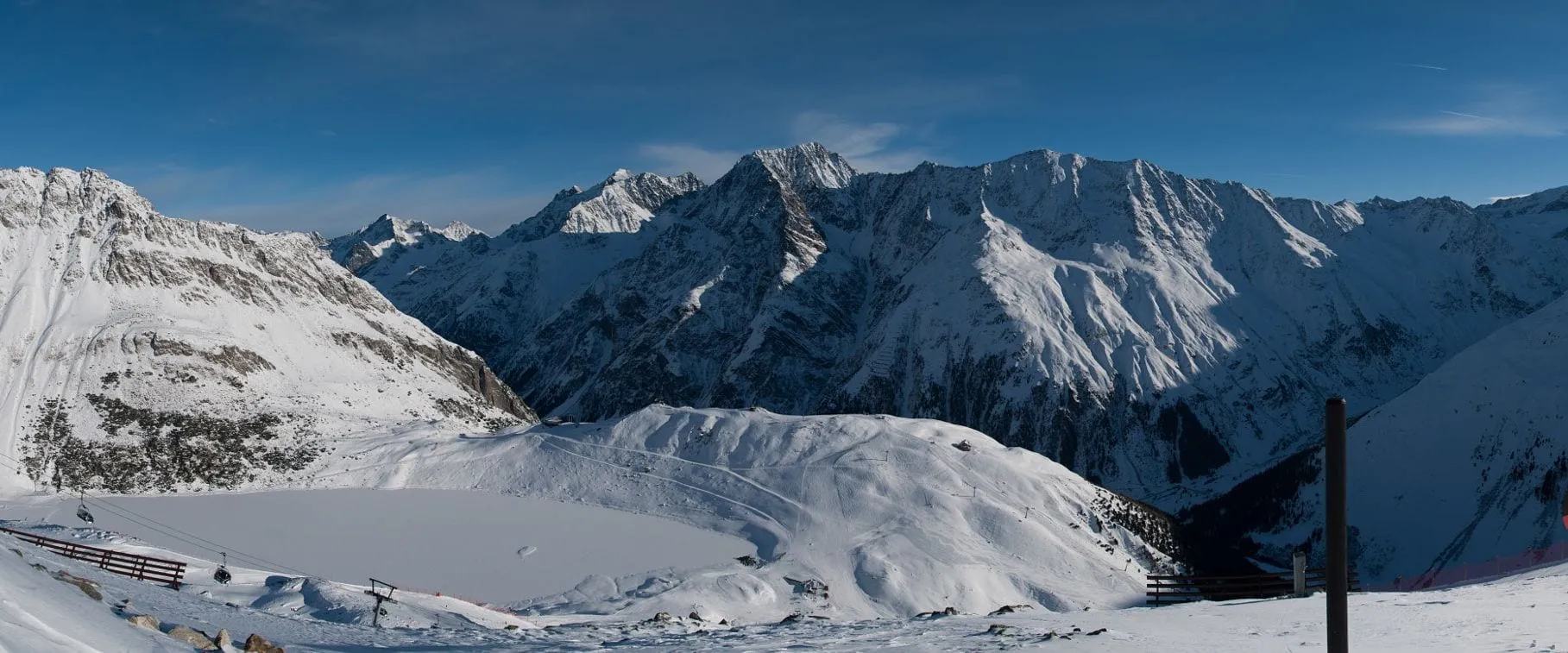
- Rifflsee is reached by the Rifflseebahn gondola from Mandarfen (about 1,680 m). It’s lower and gentler than the glacier, with a practice area and a children’s zone, and a run links it with the glacier.
- Hochzeiger, above Jerzens further down the valley, is a separate family ski area from about 1,450 m to 2,500 m. Pitztal Glacier passes of two days or more include one day there.
Skiing in the Pitztal for beginners
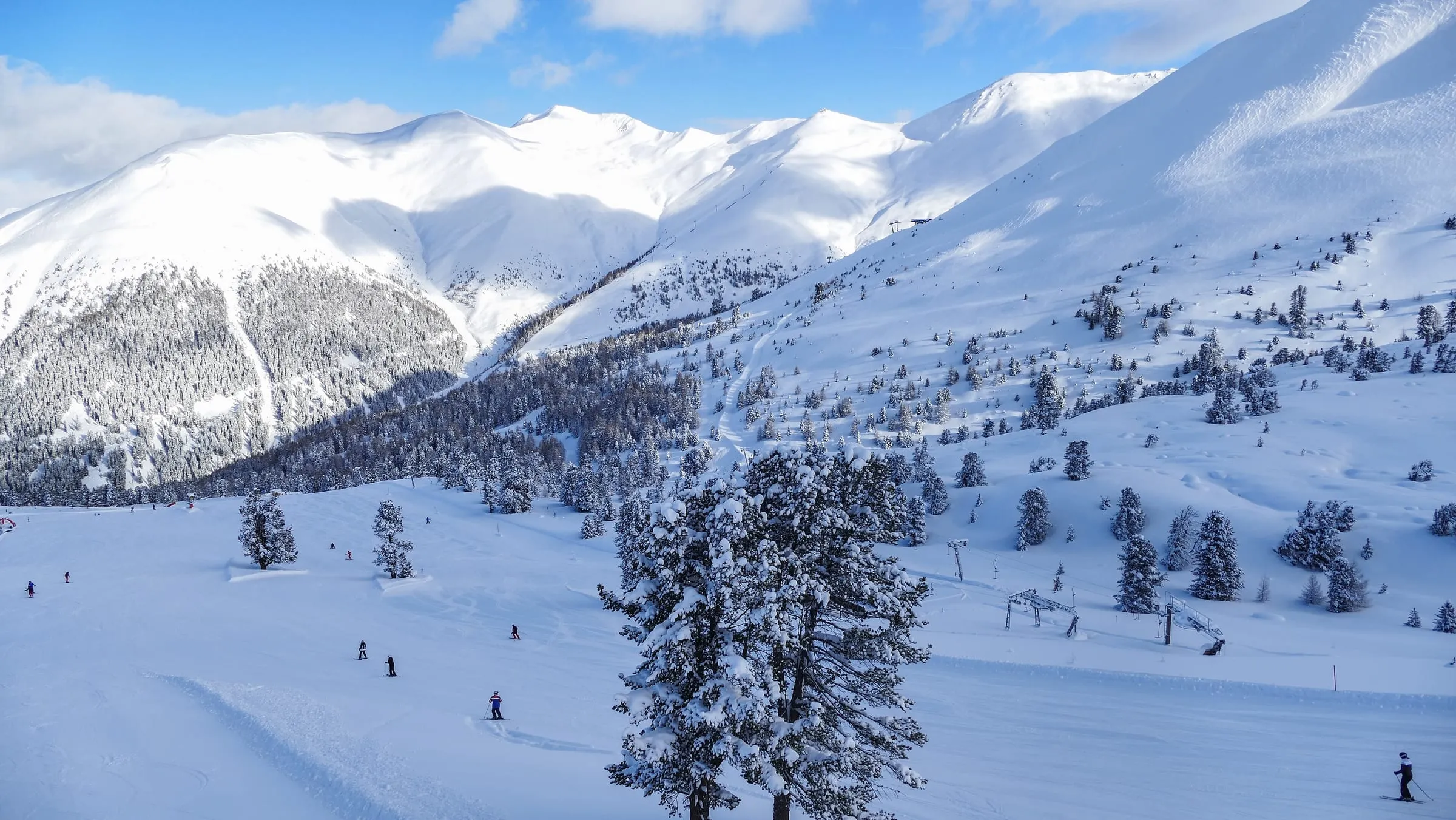
Beginners are better off at Rifflsee than on the glacier. It has a practice area and beginner runs, and down in Mandarfen there’s a practice lift by the village. In midwinter, Hochzeiger is the valley’s certified family ski area. The glacier itself is high and can be cold, so save it for later in the week.
Skiing in the Pitztal for intermediates
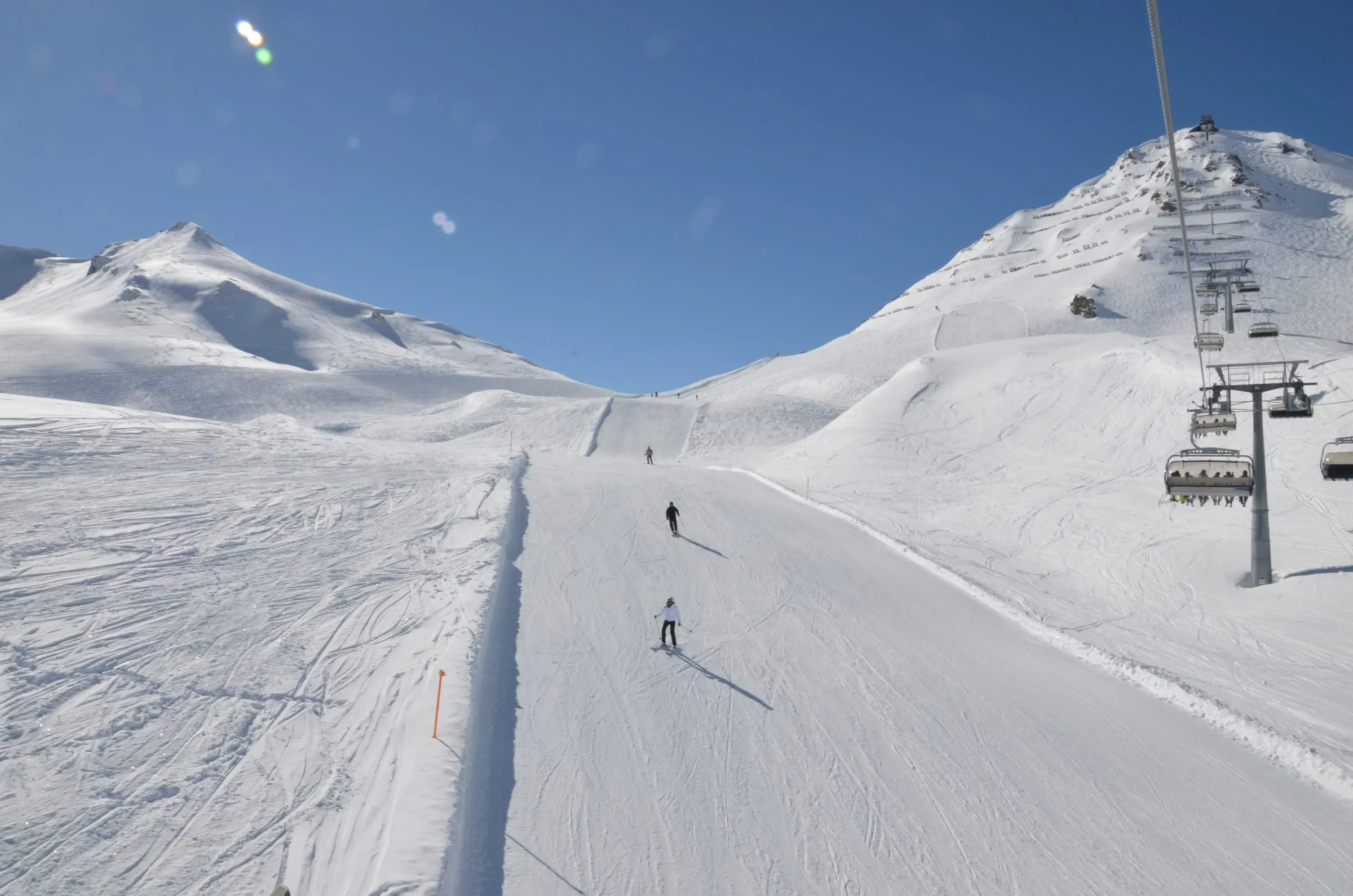
The glacier’s long red runs are the main event, with reliable snow and big views of the Wildspitze. Mix them with Rifflsee once it opens in December, and use your day at Hochzeiger for sunny slopes lower down.
Skiing in the Pitztal for experts
The Pitztal is a freerider’s valley. The 30 km of freeride variants on the glacier and at Rifflsee are the draw, and the valley is a well-known base for ski touring and ice climbing. Several schools in the valley offer freeride and alpine guiding. Off-piste on a glacier means crevasses, so go with a qualified guide.
The Pitztal Glacier: Austria’s highest ski area
The glacier is why the Pitztal is on this site. For 2026/27, it’s scheduled to open from 26 September 2026 to 2 May 2027. The Pitztal Testival, from 6 to 8 November 2026, marks the official start of the winter season.
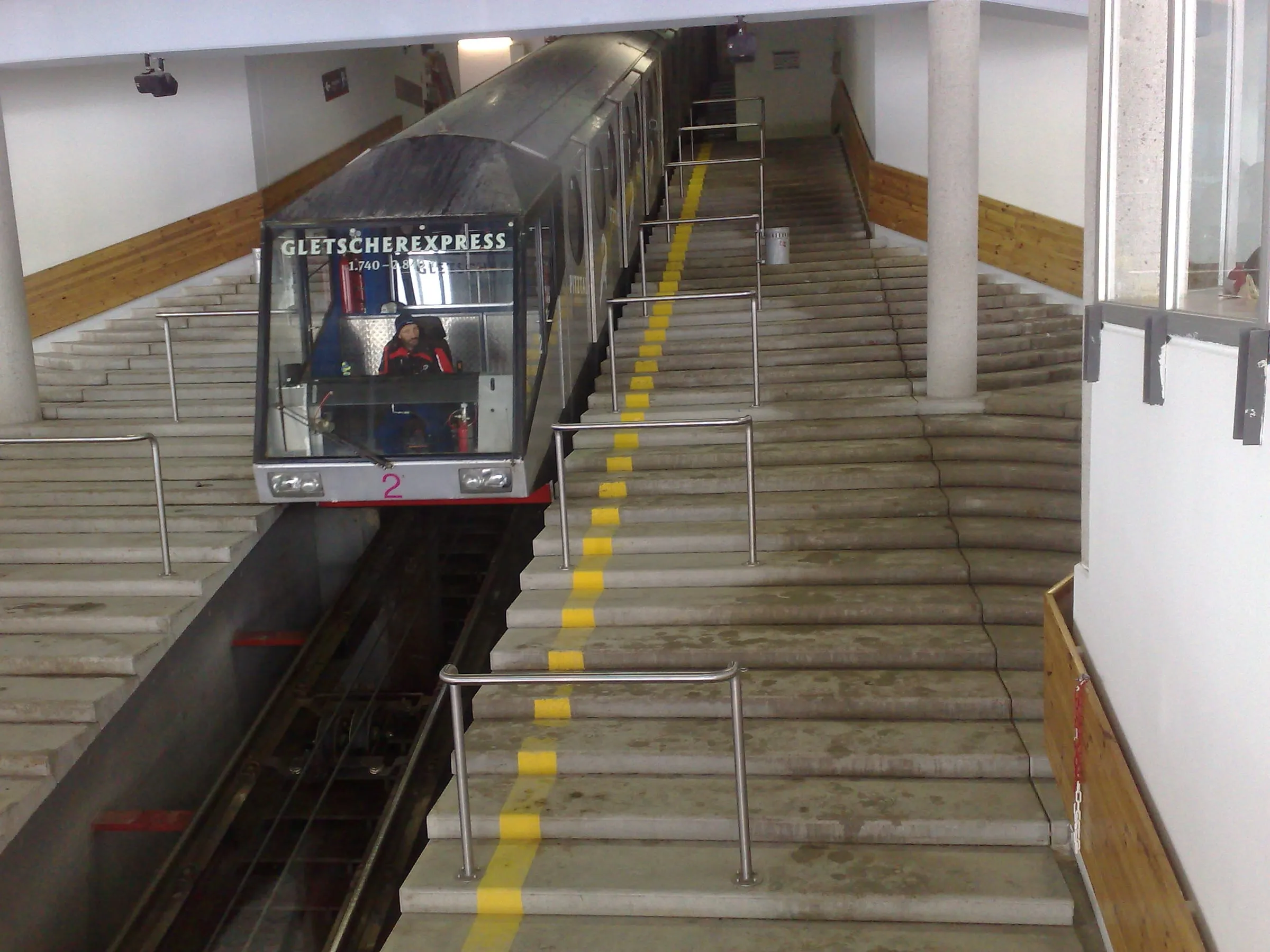
The Gletscherexpress takes you straight from the car park at Mittelberg to 2,840 m, with no long chain of lifts to get there. At the top of the Wildspitzbahn, Café 3440 is billed as Austria’s highest café. Up here there’s also a snow park with a Family Cross, a Fun- and Waveline and a Speed Check, and a short cross-country trail on the glacier in autumn.
Snow in the Pitztal and the 2026/27 season
High up, the glacier is about as snow-sure as Austrian skiing gets, and the tourist office says around 90% of the valley’s slopes are above 2,000 m. Rifflsee is due to open from 12 December 2026 to 4 April 2027, so in autumn and late spring you’ll be skiing on the glacier only.
The downside of all that altitude is the weather. Above 3,000 m, a cold or stormy day can be harsh, and the top lifts may not run in high wind. Check the lift status on the morning you go.
Is the Pitztal good for a last-minute ski trip?
Yes, especially at either end of the season. From late September to early December and again in April, the glacier is one of the safest bets in Austria, and in midwinter you have Rifflsee and Hochzeiger as well.
The catch is the journey. The glacier is about 90 minutes from Innsbruck, and the last stretch is a long valley road. Before you book, check how many lifts are running on the glacier, then find a place to stay in the Pitztal.
Pitztal lift passes
- Every Pitztal Glacier ticket includes Rifflsee.
- Passes of two days or more also cover the Mandarfen village lift, one day at Hochzeiger and the partner area Kaunertal Glacier and Fendels.
- Children born in 2019 or later ride free, with a €2 handling fee. Children’s rates apply to those born 2012 to 2018, and youth rates to those born 2007 to 2011.
- Buying in the online shop saves up to 30%.
- Hochzeiger sells its own tickets, and children under 10 ski free there with a parent.
Après-ski and things to do in the Pitztal
The Pitztal is a quiet, outdoorsy valley rather than an après-ski destination. Most of the evening life is in the hotels in Mandarfen and the villages down the valley.
Off the slopes, there’s a long valley cross-country trail from Wiese to Mandarfen, a 6 km floodlit toboggan run at Hochzeiger, horse-drawn sleigh rides, ice skating at the Piller pond, snowshoeing, and 45 ice-climbing areas. For a bad-weather day, the tourist office suggests the Ibex Center, the Kaunergrat Nature Park House, a stone pine exhibition in Jerzens, a climbing centre and Area 47.
Who the Pitztal suits, and who it doesn’t
- Great for: skiers who want guaranteed snow in autumn or spring, freeriders and ski tourers, and anyone who wants high, quiet skiing without the crowds of a big-name resort.
- Think twice if: you want a lively village with après-ski, a big linked circuit, or easy beginner terrain right at the top. Families with very young children may find the glacier too high and cold, and the long drive up the valley adds time to every trip.
Skiing with children? Read our guide to the Pitztal with kids.
How to get to the Pitztal
Driving to the Pitztal
All routes lead to Imst, at the mouth of the valley: from Germany via Füssen and the Fernpass, from Garmisch via Zirl, from Switzerland via the Arlberg and Landeck, or from the Brenner via Innsbruck. From Imst, the road runs almost 40 km up the valley to Mandarfen and Mittelberg. Parking at the lifts is free, and there are e-charging points at the Gletscherexpress valley station.
You’ll need a vignette for Austrian motorways. The valley road climbs steadily, so carry chains or have good winter tyres and check Tyrol’s road reports in snow.
By train and bus
Take the train to Imst-Pitztal station, then the bus up the valley; Tyrol’s tourist board lists line 310. A taxi from Imst takes about 35 to 40 minutes, and some hotels run their own shuttles. With the Pitztal Guest Card, which all accommodation provides, the valley buses are free, including on arrival and departure days. Free ski buses also link the ski areas.
Nearest airports
Innsbruck is the nearest airport, about 90 minutes from the glacier by road.