France
 Austria
 Italy
 Switzerland
 English
 Deutsch
 Nederlands
 Español
 Čeština
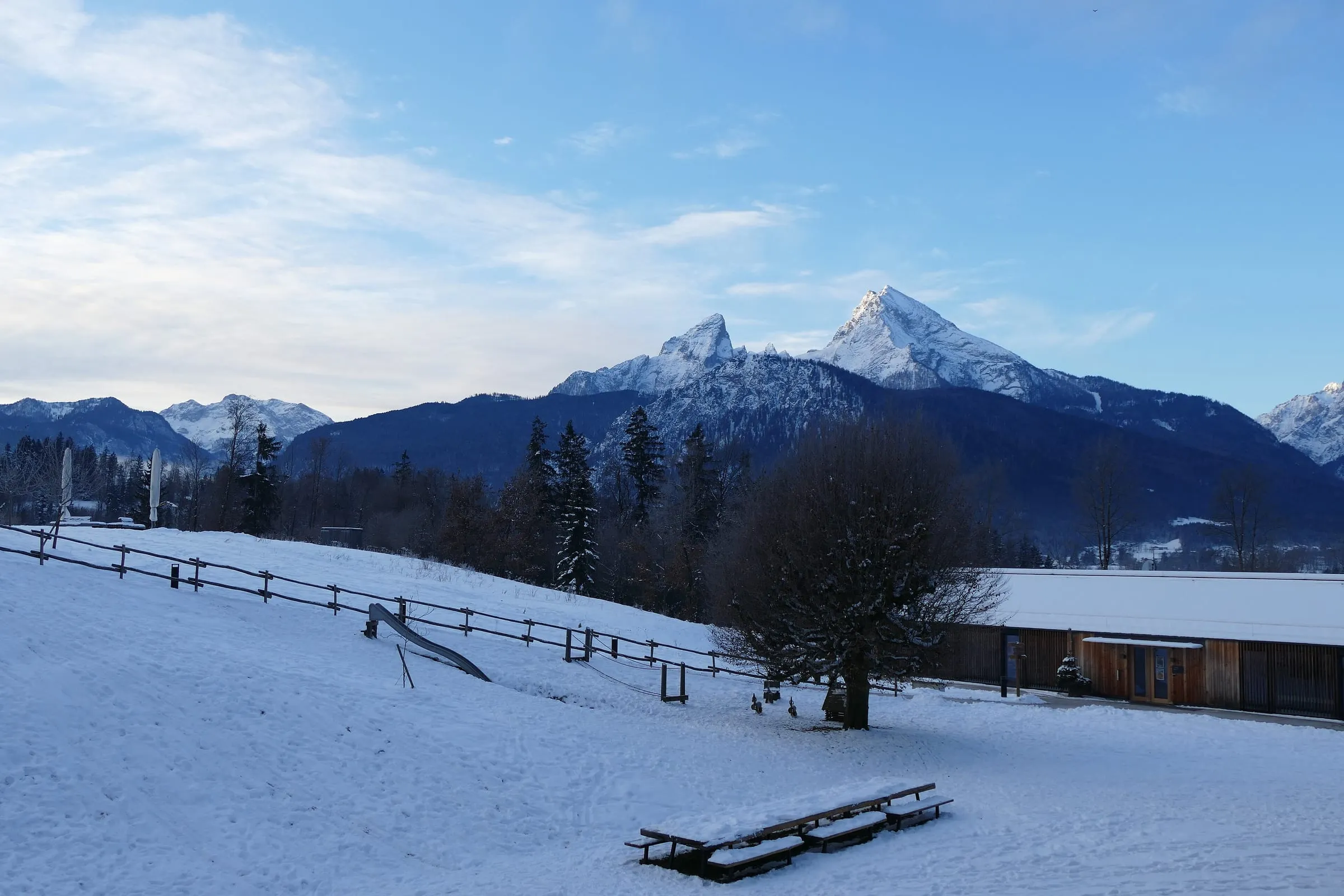
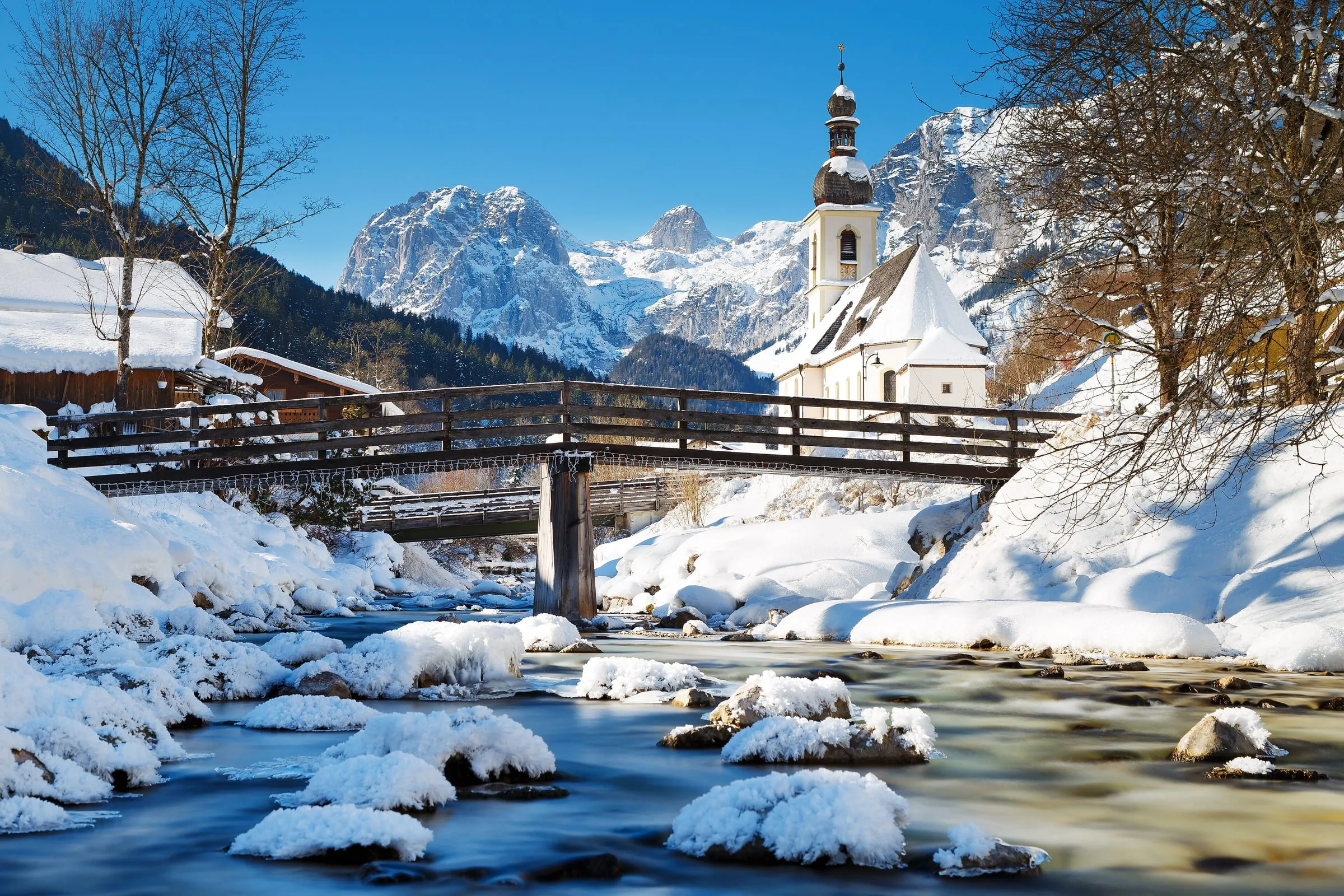
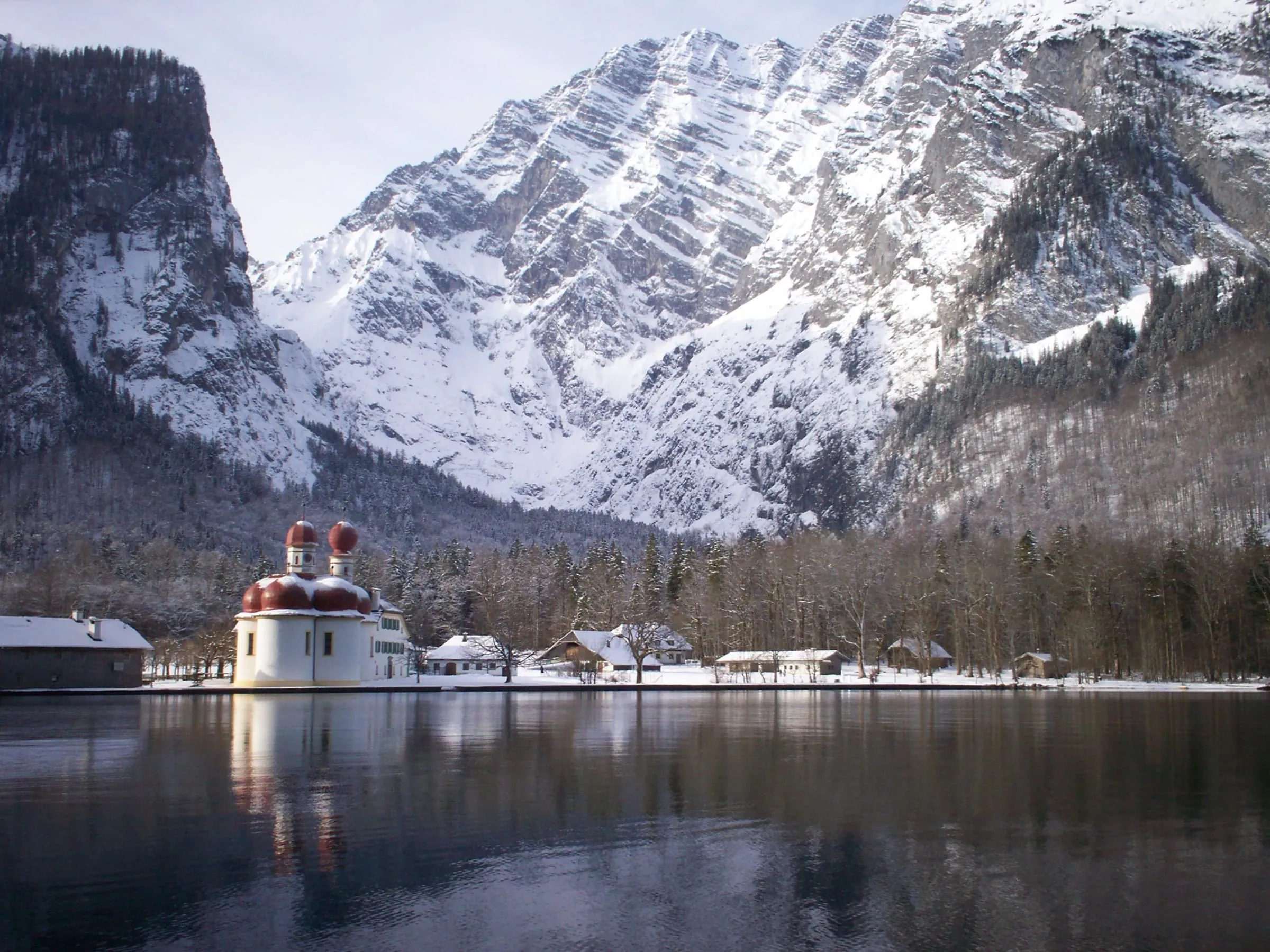
Berchtesgaden is a historic Bavarian market town at about 570 m, in the far south-east corner of Germany and around 30 km from Salzburg. It sits below the Watzmann, next to the Königssee and Berchtesgaden National Park. For skiers, it’s a base for five small ski areas that the tourist office puts at about 44 km of pistes between roughly 600 and 1,550 m, all covered by one regional ski pass.
Be clear about what you’re booking. This isn’t a big linked ski area: the slopes are spread around the valley, the highest lift tops out at about 1,550 m, and the town’s best-known mountain, the Jenner, no longer has groomed pistes. What Berchtesgaden does well is short, relaxed ski days for families and beginners, floodlit evening skiing, and a lot to do off the slopes.
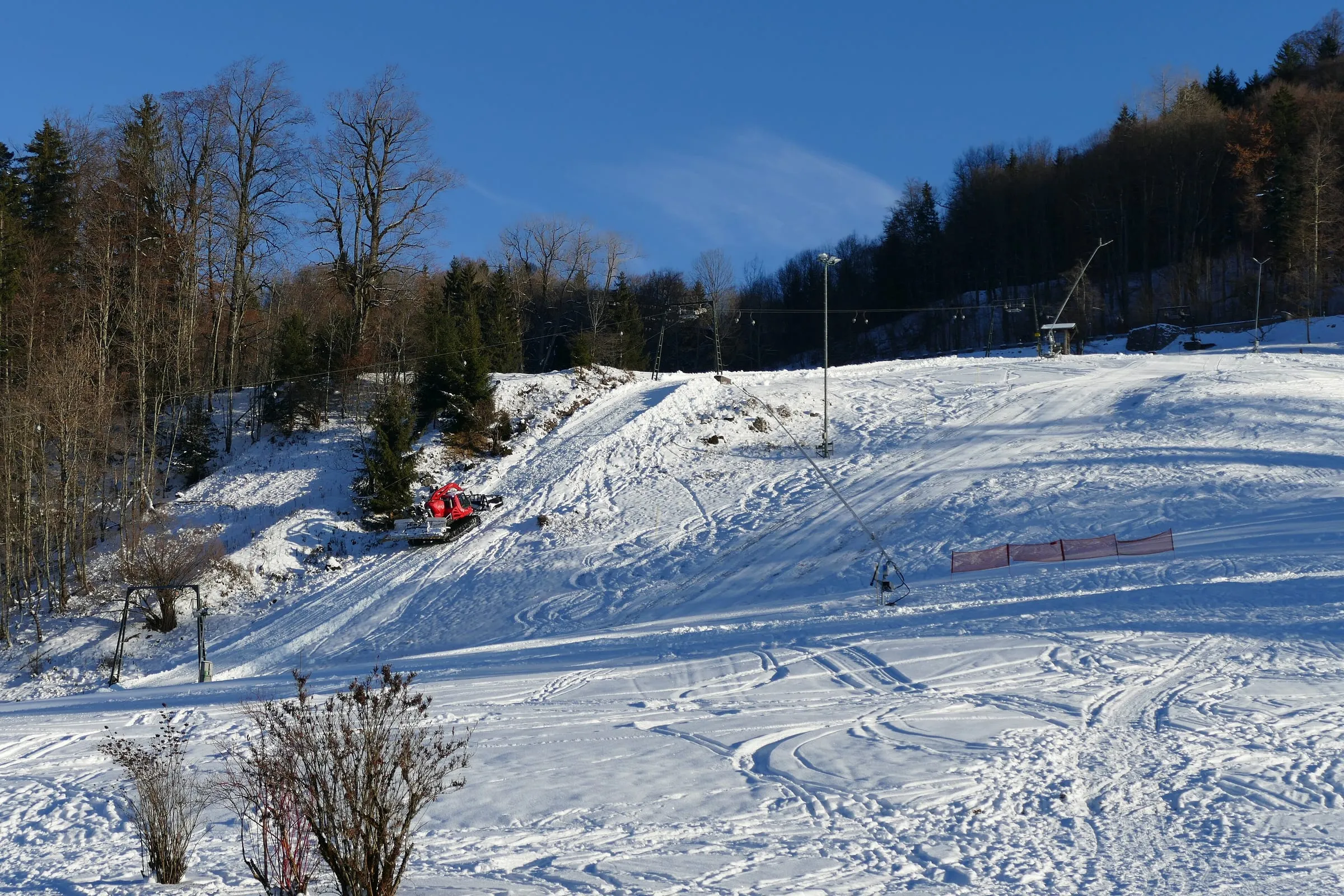
Berchtesgaden ski areas: five small mountains on one pass
The tourist office lists five ski areas around the town. None are linked by lift, so you pick one each day and drive or take the bus.
- Rossfeld (Berchtesgaden/Oberau), from 835 to 1,550 m. Three T-bars, a platter lift and a ski-school conveyor. Runs range from 250 m to 6 km, including a 6 km valley run down to Oberau or across to the Zinken in Austria. You reach the top by the Rossfeld Panorama Road, which the tourist office calls Germany’s highest year-round toll road, at over 1,600 m.
- Götschen (Bischofswiesen), from 880 to 1,307 m. A three-seat chairlift, two T-bars, a conveyor belt and a KidsArena, with runs from 120 m to 3.7 km. It’s the region’s hub for alpine racing and hosts national and international competitions.
- Gutshof on the Obersalzberg, from 900 to 1,050 m. Four short lifts and a children’s lift, described by the tourist office as a budget-friendly family area.
- Hochschwarzeck in Ramsau, with gentle, groomed slopes the tourist office recommends for families and beginners, plus a toboggan run.
- Zinken at Bad Dürrnberg, just across the Austrian border, reachable on skis from the Rossfeld.
Skiing in Berchtesgaden for beginners
This is where Berchtesgaden makes most sense. At Gutshof, the 350 m Oberauerlift is set aside for beginners and there’s a separate children’s area. Götschen has a conveyor belt and its KidsArena, and Hochschwarzeck is gentle throughout. The Rossfeld has a conveyor for the youngest skiers at the ski school. Short lifts and quiet slopes make it an unintimidating place to learn.
Skiing in Berchtesgaden for intermediates
Intermediates will enjoy a few days here rather than a full week. The best terrain is on the Rossfeld, where the 6 km valley run to Oberau is the longest descent in the region, and on Götschen, whose longest run is 3.7 km. With the combined Oberau–Rossfeld–Zinken pass you get 15 km of runs over the border. Because the areas aren’t linked, plan one area per day.
Skiing in Berchtesgaden for experts
There’s little steep, groomed terrain. Götschen’s race slopes and the FIS-certified Eckerbichllift slope at Gutshof are the most demanding pistes. Strong skiers mostly come for the Jenner, below.
The Jenner: ski touring and freeriding above the Königssee
The Jenner was Berchtesgaden’s biggest ski mountain, but it no longer has groomed alpine pistes. The tourist office now calls it a winter adventure mountain: ungroomed slopes run from the summit to the valley, and the Jennerbahn recommends the marked ski route only for very experienced skiers. It’s skied on natural snow, so the upper part may be open when the lower slopes aren’t; if snow doesn’t reach the valley, you can put your skis on at the middle station.
The winter adventure ticket gives unlimited rides on the cable car. Ski tourers are welcome, there’s a warming room at the top to change before the descent, and the area is a German national training base. Off-piste and touring terrain here is serious mountain ground, so go with a qualified guide unless you know it well.
Non-skiers can ride up too. The Jennerhex toboggan run is 1.4 km long with 220 m of descent, a marked snowshoe trail covers 2.2 km and a family winter walk 1.6 km. For 2026/27, the Jennerbahn lists a Jenner by Night evening on 28 December 2026 and World Tobogganing Day on 17 January 2027.
Snow in Berchtesgaden and the 2026/27 season
Each area sets its own dates. For 2026/27, Rossfeld and Götschen are listed as planning to open on 19 December 2026 and close on 21 March 2027, subject to snow. The other areas open when conditions allow, so check each one’s lift status before you travel.
Altitude is the big limitation. The town is at 570 m and the highest skiing tops out at about 1,550 m on the Rossfeld, so a mild spell hits every area. Snowmaking varies:
- Götschen has snowmaking all the way down to the valley.
- Gutshof uses snowmaking to keep its short slopes open.
- Rossfeld is skied on natural snow only. It’s the highest of the five and the tourist office calls it one of the region’s most snow-reliable natural snow areas, but it depends on real snowfall.
Is Berchtesgaden good for a last-minute ski trip?
It can be, if you time it right. It’s quick to reach: Salzburg airport is about 30 minutes away and there’s a railway station in town, so you can wait for a cold spell and fresh snow before booking. And if the skiing is thin, the Königssee, the thermal baths and Salzburg mean the trip isn’t wasted.
But it’s not a snow-sure choice. Low altitude means the lower slopes can be bare or slushy in a warm spell, especially early and late in the season, and the areas are small. Check the lift status of Rossfeld and Götschen first; if both are fully open, it’s a good short break. Then find a place to stay in Berchtesgaden.
Berchtesgaden lift passes
Each area sells its own day tickets. The regional Berchtesgaden ski pass covers more than one area:
- It’s valid for 3 or 6 days in all the region’s ski areas: Götschen, Hochschwarzeck, the Jenner, Obersalzberg, Rossfeld and Zinken, around 50 km of slopes in all.
- It includes one four-hour visit to the Watzmann Therme (sauna not included), the region’s smaller ski lifts, and one daily drive on the Rossfeld Panorama Road.
- Last season it was sold at any open ticket office of the participating lifts, with rates for adults, youths (15 to 17) and children (6 to 14). The tourist office hadn’t yet published the 2026/27 details when we checked, so confirm the terms before you buy.
The separate Oberau–Rossfeld–Zinken pass covers 15 km of runs across the border.
Après-ski and things to do in Berchtesgaden
Berchtesgaden is quiet in the evenings. Après is a drink at the mountain huts, such as the Rossfeld-Skihütte with its sun terrace, and dinner in town. The liveliest evening skiing is under floodlights: Götschen lights its slope on Fridays from 6 to 9 pm, and the Rossfeld also has night skiing.
Off the slopes, there’s plenty:
- The Königssee. Boats run in winter as well as summer, and the trip from Schönau to the pilgrimage church of St. Bartholomä takes about 35 minutes each way.
- Watzmann Therme, with 900 m² of water, a 25 m pool, outdoor brine pool, four saunas and an 80 m slide. It’s open daily from 10 am to 10 pm.
- The salt mine, Berchtesgaden’s oldest attraction, with shorter opening hours in winter.
- Salzburg is about 30 km away, and the guest card covers the regional train there via Bad Reichenhall.
Who Berchtesgaden suits, and who it doesn’t
- Great for: families with young children, beginners, mixed groups where not everyone skis, short breaks, and anyone combining a few ski days with the Königssee, the national park and Salzburg.
- Think twice if: you want a big linked area, high-altitude snow, ski-in/ski-out hotels, steep groomed pistes or lively après. Keen intermediates will run out of new terrain in a few days.
Skiing with children? Read our guide to Berchtesgaden with kids.
How to get to Berchtesgaden
Driving to Berchtesgaden
From Munich, take the A8 towards Salzburg and leave at the Bad Reichenhall exit, then follow the main road through Bayerisch Gmain and Bischofswiesen to Berchtesgaden. Don’t miss the exit: carry on and you’re in Austria, where you need a motorway vignette. From Salzburg, take the Austrian A10 to the Grödig/Berchtesgaden exit and drive through Grödig and Marktschellenberg (vignette required).
For the Rossfeld, the Panorama Road is a toll road; one daily drive is included in the Berchtesgaden ski pass. Gutshof is on bus line 838 from the station.
By train and bus
Berchtesgaden has its own railway station. From Munich or Salzburg, change at Freilassing. Overnight guests get the Berchtesgaden guest card, which gives free travel on the RVO bus network and on regional trains within the region, including the Bayerische Regiobahn from Berchtesgaden or Bischofswiesen via Bad Reichenhall to Salzburg. Buses to Salzburg, the Kehlstein bus and the Rossfeld road bus aren’t included.
Nearest airports
Salzburg is the closest airport, about 30 minutes by road. Munich airport is about 196 km away, roughly two and a half hours by car.