France
 Austria
 Italy
 Switzerland
 English
 Deutsch
 Nederlands
 Español
 Čeština
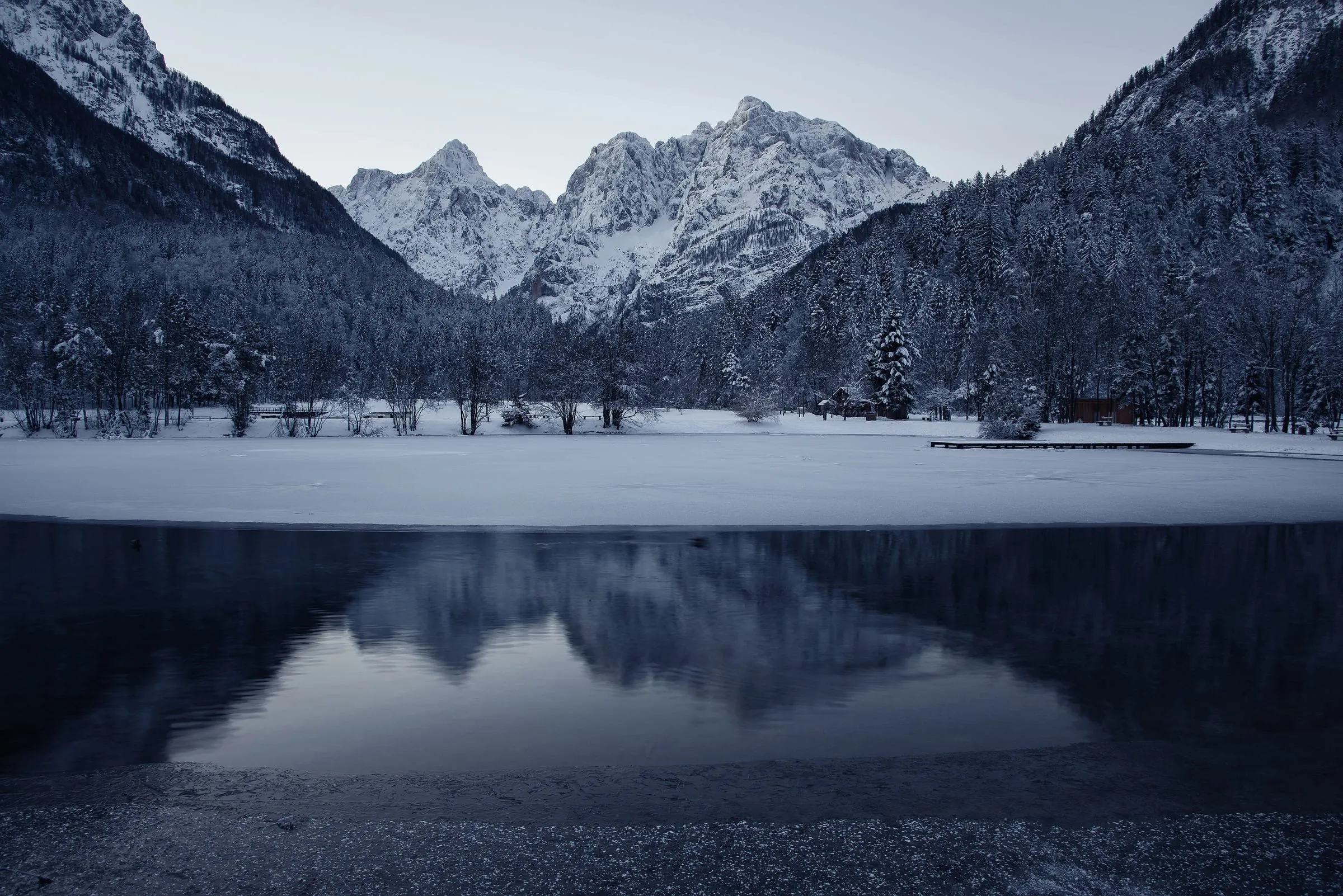
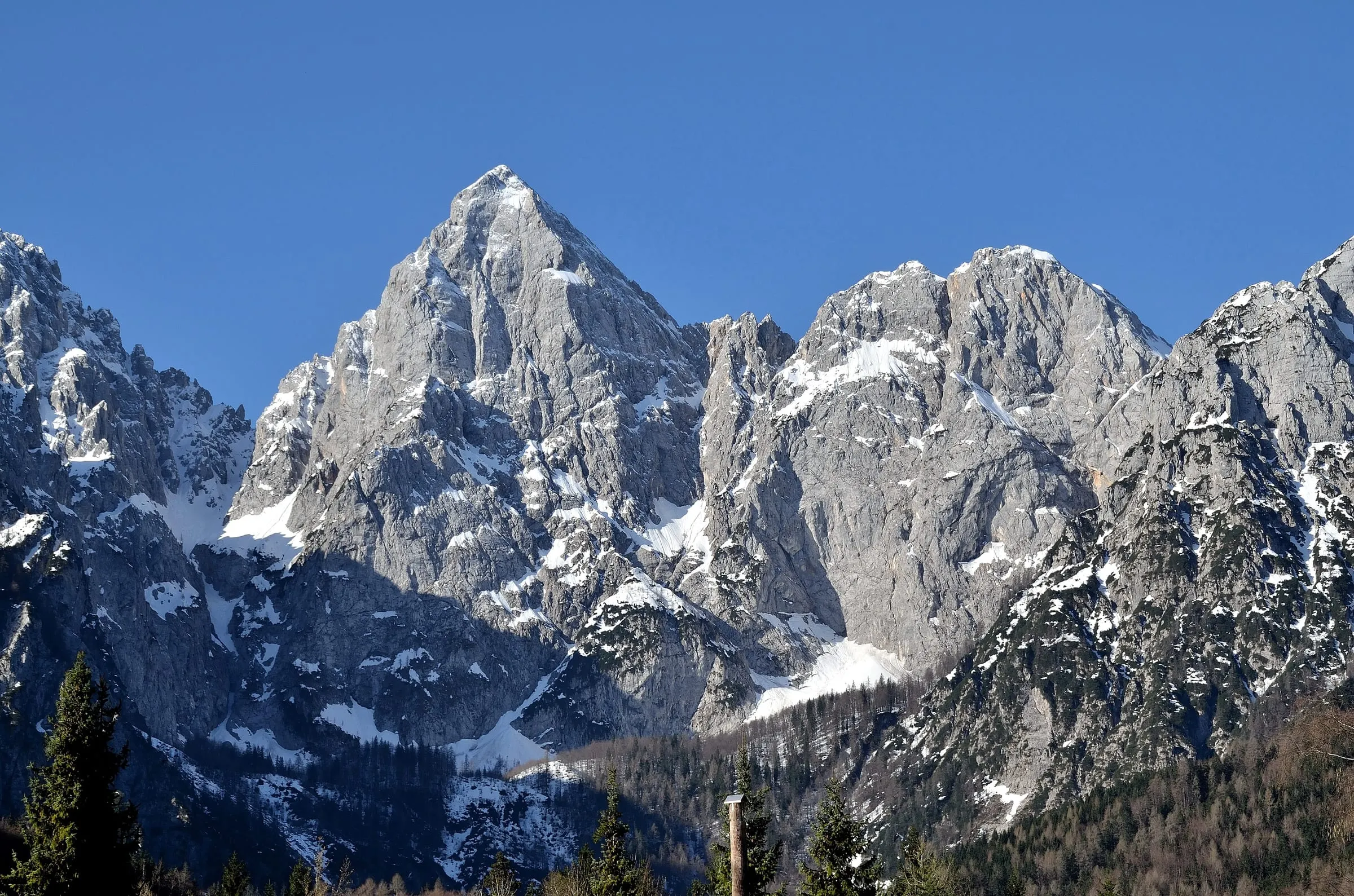
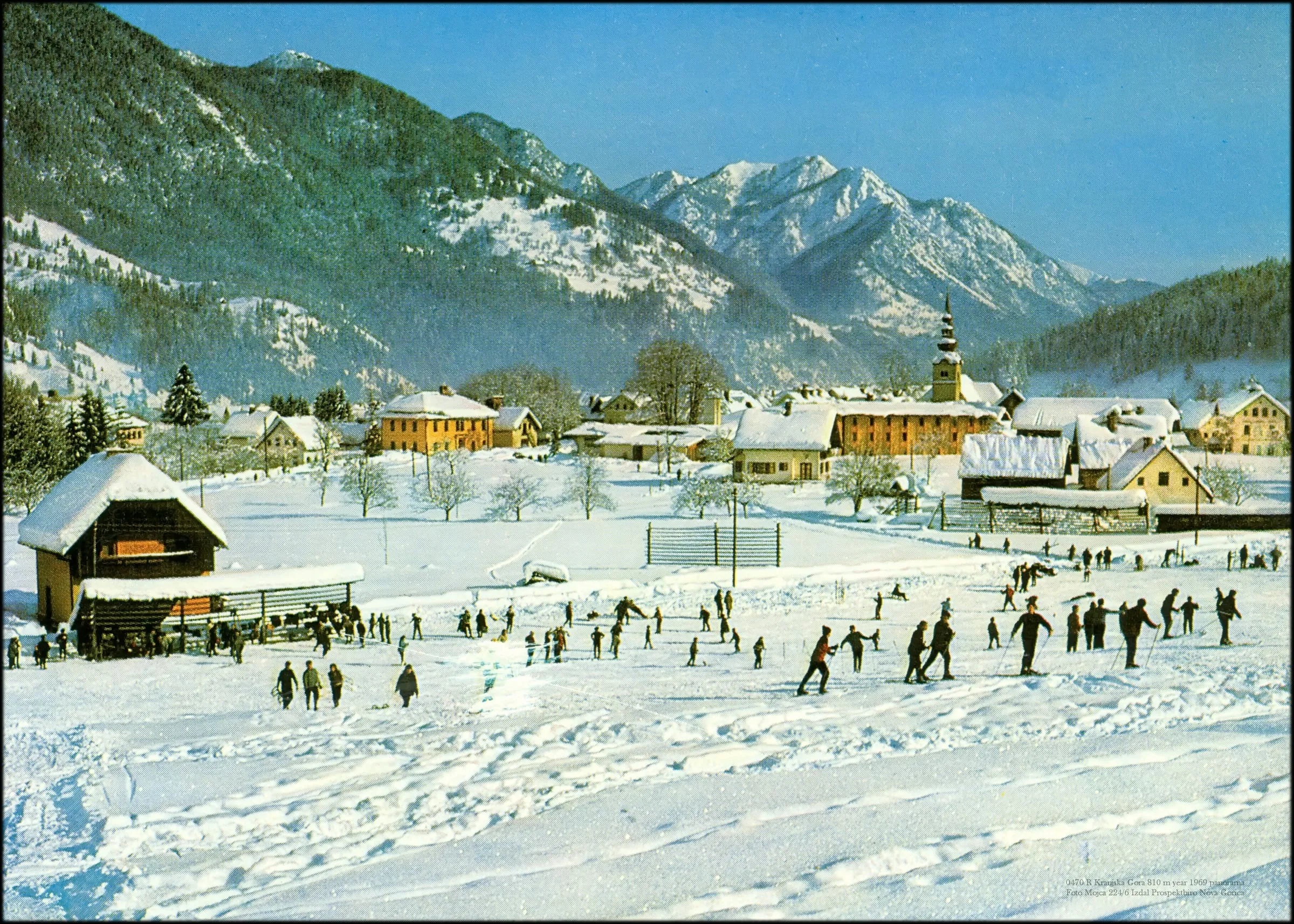
Kranjska Gora is Slovenia’s best-known ski resort and, according to the lift company, the country’s oldest ski area. The village sits at about 806 m in the Upper Sava valley, in the far north-west corner of Slovenia, a few kilometres from both Austria and Italy, with the limestone walls of the Julian Alps rising straight behind it. The skiing is on the north-facing slopes of Vitranc, directly above the village.
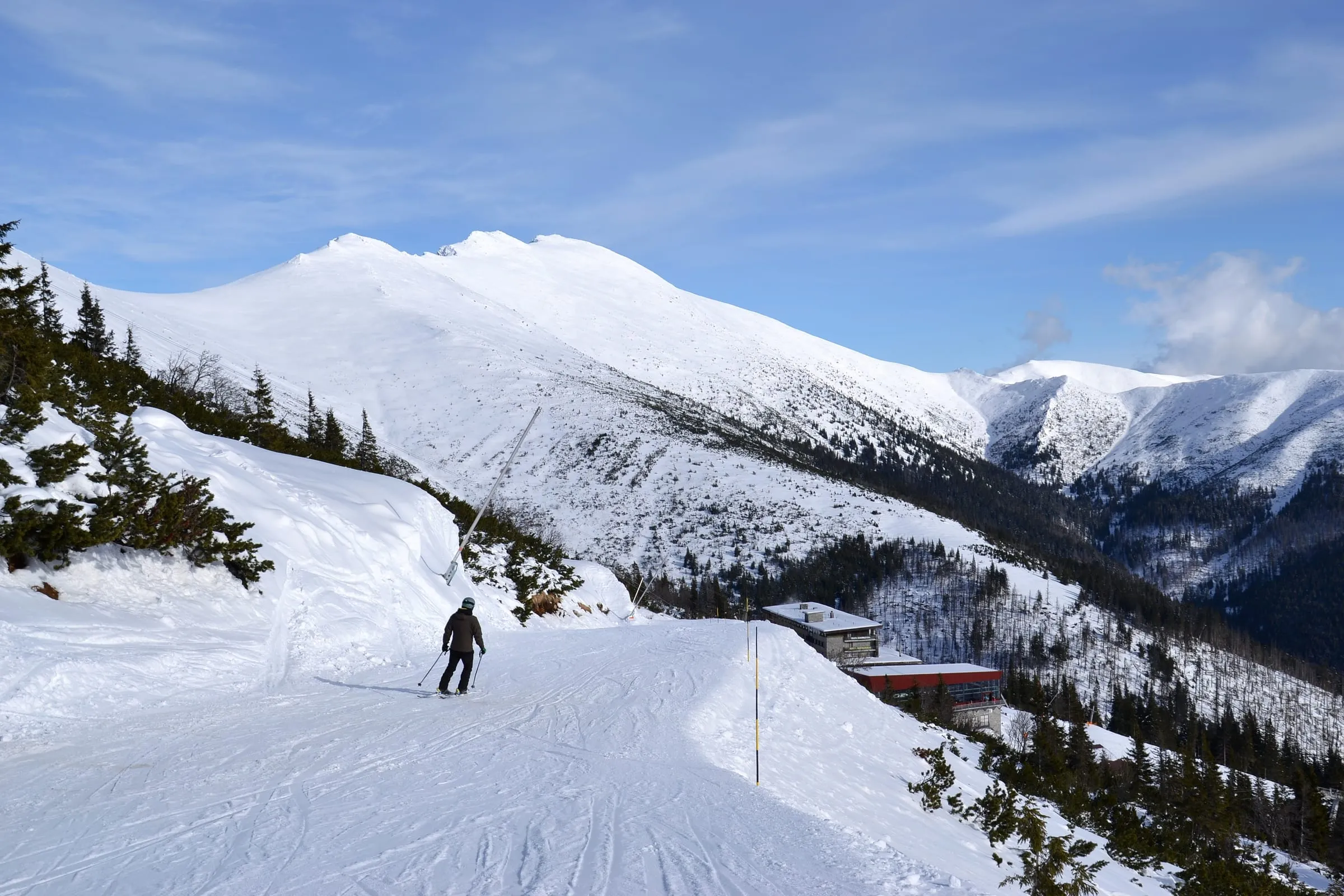
It’s a small area by Alpine standards: about 20 km of marked pistes, 13 lifts and 18 runs, between 813 m and 1,600 m. What it does well is easy, friendly skiing a few steps from your hotel, at prices well below the big Austrian and Italian resorts, with World Cup racing, night skiing and some superb non-skiing days thrown in. What it can’t promise is snow, and we’ll be straight about that below.
Kranjska Gora ski area: Kranjska Gora and Podkoren
The lift company describes two main connected ski areas, Kranjska Gora and Podkoren, on about 125 hectares, plus smaller separate slopes along the valley between Mojstrana and Rateče. The main lifts start right on the edge of the village, and the Snow Beach (Snežna plaža) bar sits at the bottom of the slopes, so for most hotels the walk to the first lift is short.
Podkoren is the next village to the west, on the road to the Korensko sedlo pass and the Austrian border. Its slope is where the World Cup races are held. Above Kranjska Gora, the higher Velika Dolina section is served by the Kolovrat and Bedanc drag lifts and the Velika Dolina double chairlift, and it has its own, cheaper ticket.
Skiing in Kranjska Gora for beginners
This is where Kranjska Gora is strongest. The nursery slopes are at the foot of the village, the gradients are gentle, and there are several ski schools to choose from. Small children have a fenced children’s park with its own conveyor lift.
Skiing in Kranjska Gora for intermediates
Intermediates will enjoy a weekend here, and a week if you mix in other things. The runs are short to medium in length, and you’ll have skied most of them by the end of your first day. For more variety, Tarvisio is just over the Italian border.
Skiing in Kranjska Gora for experts
Strong skiers will find the World Cup slope at Podkoren and a few steeper pitches, but not much more. Experienced ski tourers come for the Julian Alps around the valley, which are serious mountains; go with a local mountain guide.
World Cup racing and Planica: Kranjska Gora’s big winter events
Kranjska Gora hosts FIS World Cup races every year. Since 1990 they’ve been held at Podkoren. For 2026/27, the men’s Pokal Vitranc giant slalom and slalom are scheduled for 3 and 4 January 2027, and women’s World Cup races for 29 and 30 January 2027, according to the agreement between the Slovenian Ski Association and the local organisers signed in July 2026. Expect busier slopes and roads on race weekends.
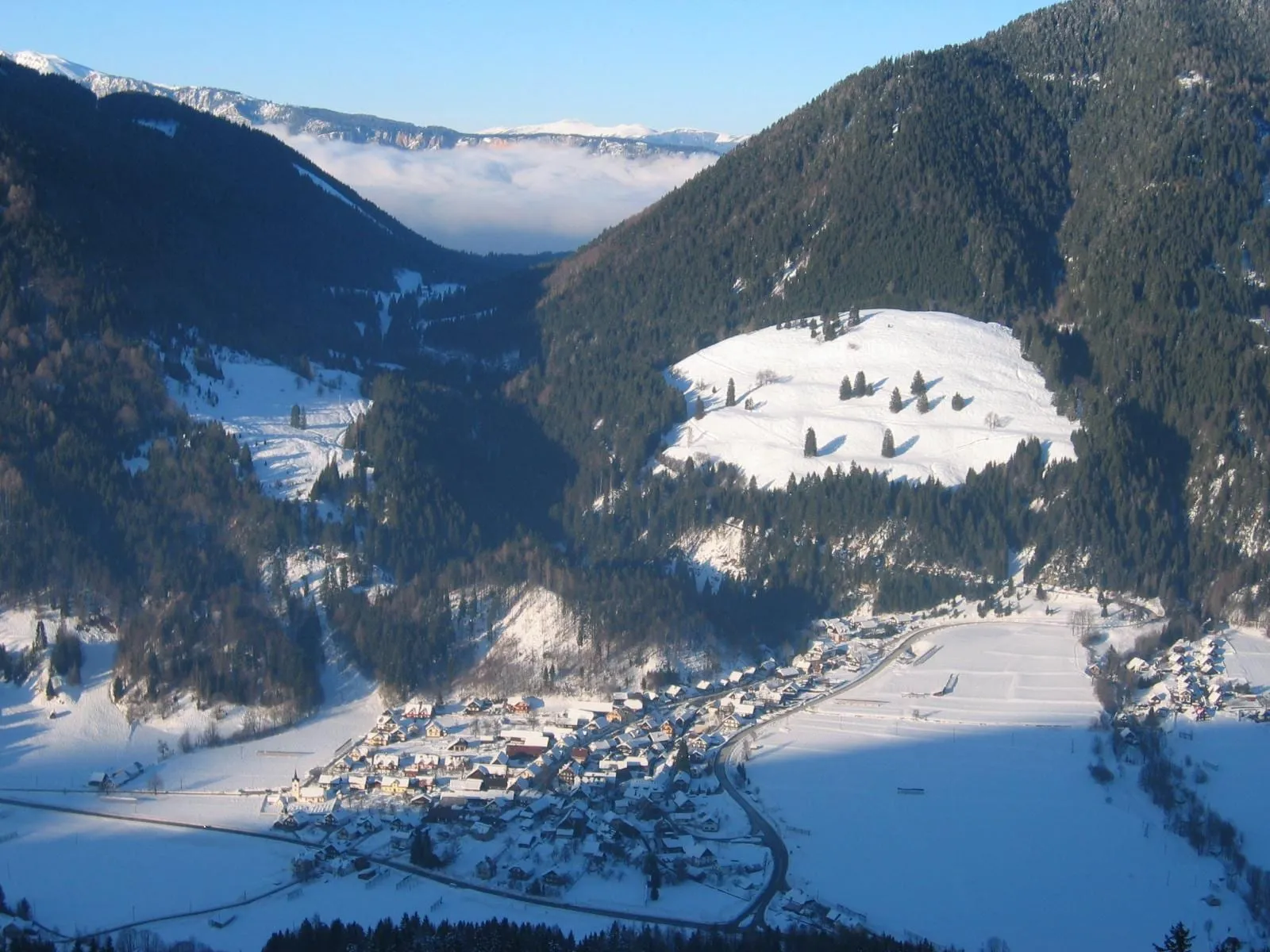
A few kilometres west, Planica is home to some of the biggest ski-jumping and ski-flying hills in the world. The provisional calendar has the ski-jumping World Cup finale there from 18 to 21 March 2027. It’s a huge, noisy, very Slovenian party, and worth planning around: either join it or avoid the valley that weekend.
Snow in Kranjska Gora and the 2026/27 season
For 2026/27, the lift company is selling tickets in a pre-sale from 2 to 27 November 2026, but it hadn’t announced an opening date by the end of October. Last season it opened on 28 November 2025 with three lifts (Kekec, Mojca 1 and Mojca 2), so late November or December is realistic if it’s cold enough to make snow.
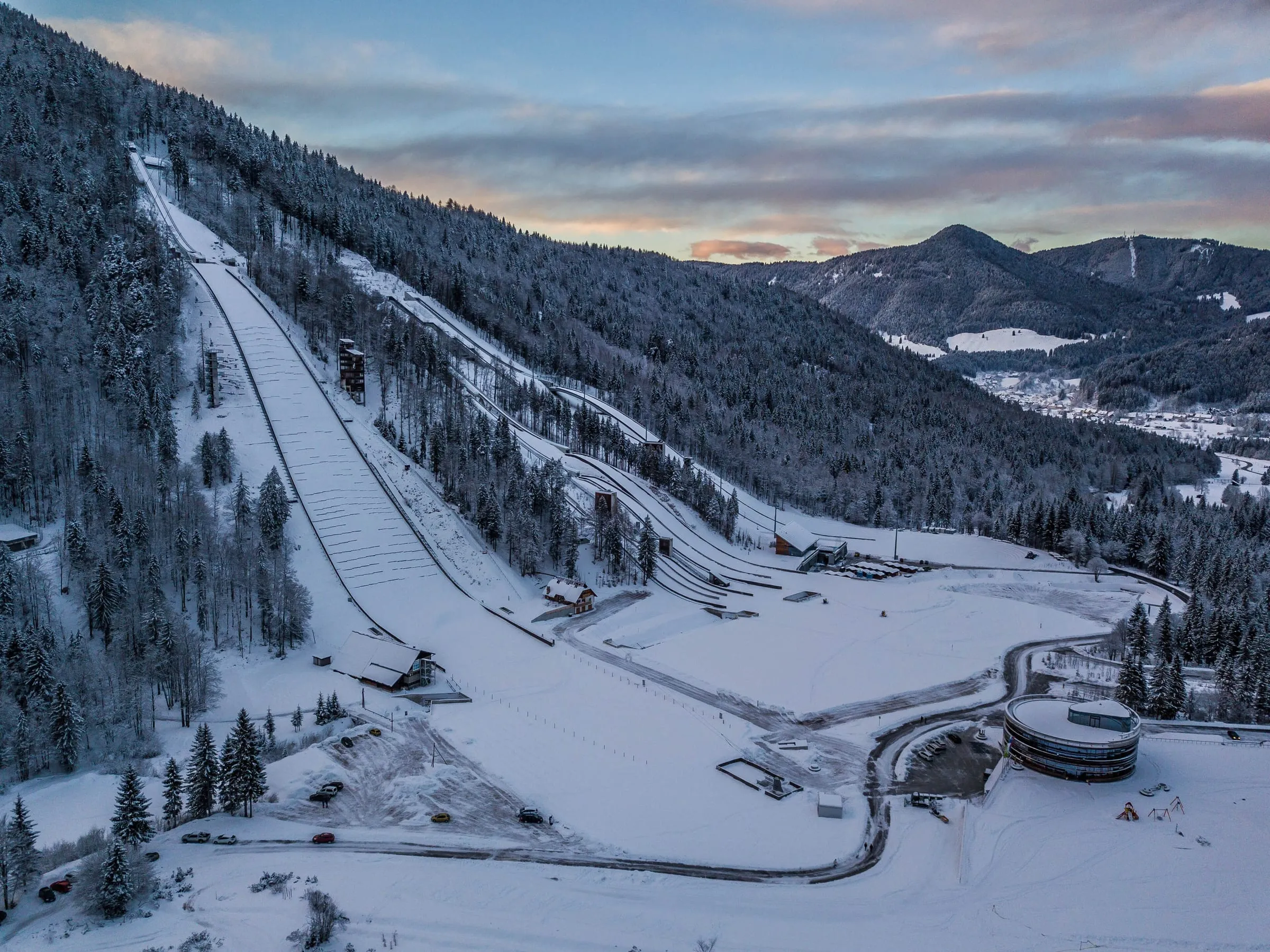
Be realistic about altitude. With the slopes between 813 m and 1,600 m, Kranjska Gora is a low resort, and much of the skiing depends on snowmaking and cold nights. In a warm winter the season can be short: in 2024, high temperatures closed the ski area on 5 March. In a cold, snowy winter it’s lovely, but it isn’t the place to gamble on a late-March trip.
Is Kranjska Gora good for a last-minute ski trip?
It can be, if you check first. The case for it: it’s quick to reach (45 minutes from Ljubljana Airport, about 40 minutes from Klagenfurt Airport), it’s good value, and it’s easy for mixed groups where not everyone skis. The case against: it’s low and small, so a mild spell hits it harder than a high Alpine resort.
Before you book, look at the live lift and run counts on the lift company’s website (it shows how many of the 13 lifts and 18 runs are open) and the forecast for the valley, not the peaks. If conditions are good, find a place to stay in Kranjska Gora.
Kranjska Gora lift passes
The 2026/27 price list has day, half-day (2 to 5 hours), night and multi-day tickets, plus a season pass. A day pass for an adult costs €50 on the published price list, and multi-day passes need a photo. A few things worth knowing:
- Children born in 2021 or later have their own cheap day, four-hour and season tickets, sold at the ticket office.
- Child prices are for children born 2012 to 2020, youth prices for 2003 to 2011, and senior prices for 1966 or earlier. Bring ID for any reduced ticket.
- The Top ponudba ticket covers two adults and two children.
- Night skiing needs a night ticket: day and multi-day passes aren’t valid after dark.
- The higher Velika Dolina lifts have their own cheaper tickets.
Après-ski and things to do in Kranjska Gora
Après-ski is relaxed rather than wild. The Snow Beach bar at the bottom of the slopes is open from 10 am to 7 pm, and the village has bars and restaurants within walking distance of each other. Night skiing on the Kekec chairlift and Mojca 2 drag lift runs from 6 pm to 9 pm.
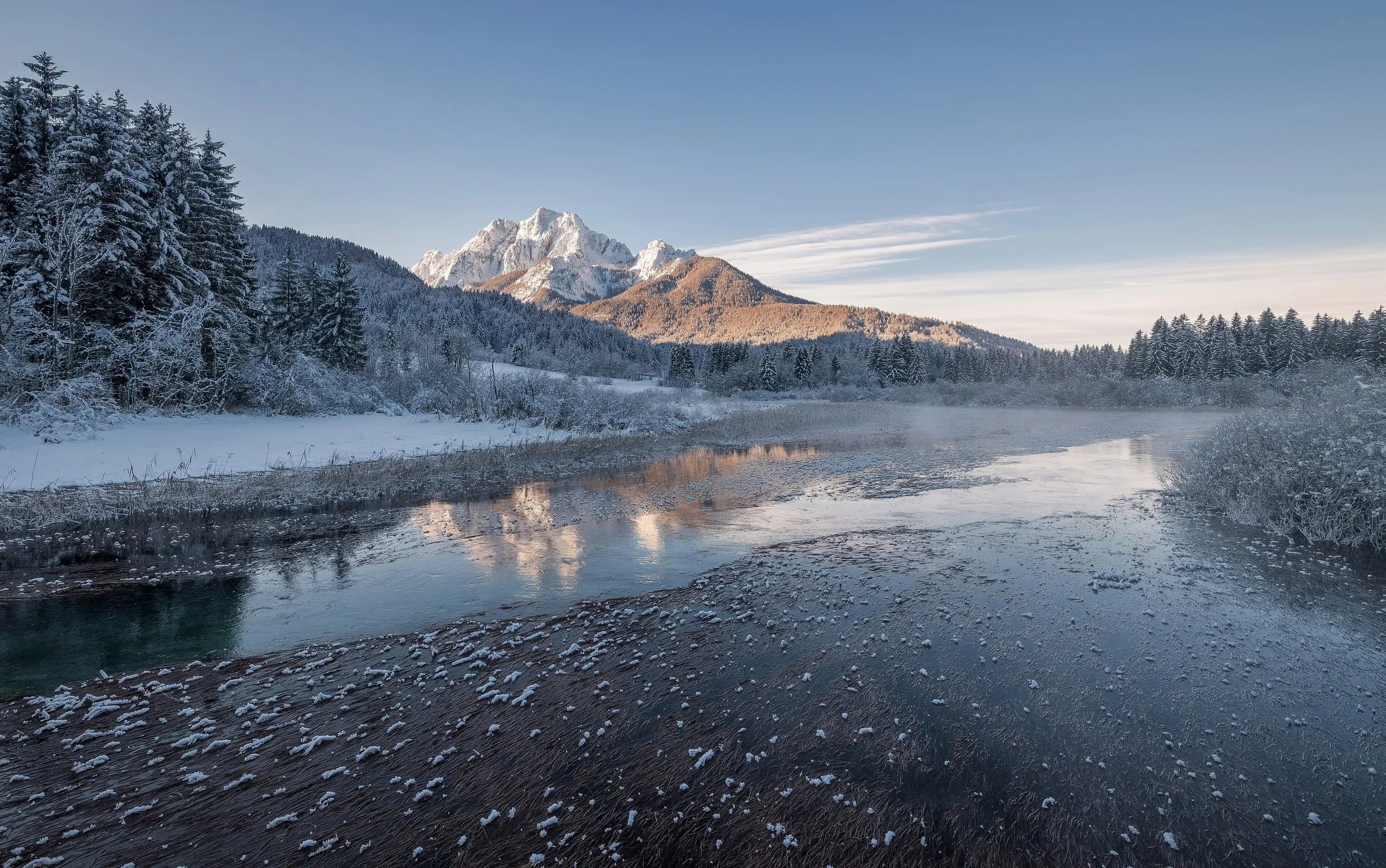
Off the slopes, there’s plenty to do. About 40 km of cross-country tracks follow the Sava valley between Gozd Martuljek and Planica or Tamar. The Planica Nordic Centre is a short drive west, and the Zelenci springs and Lake Jasna make easy winter walks. Hotels such as the Ramada Resort have pools and saunas for tired legs.
Who Kranjska Gora suits, and who it doesn’t
- Great for: beginners and families, mixed groups with non-skiers, value seekers, anyone who wants a short ski break from Ljubljana, Klagenfurt or Trieste, and fans of World Cup racing and ski jumping.
- Think twice if: you’re an expert who needs big terrain, you want a week of varied pistes, or you’re booking late in the season without checking the snow.
Skiing with children? Read our guide to Kranjska Gora with kids.
How to get to Kranjska Gora
Driving to Kranjska Gora
From Slovenia, take the road from Ljubljana via Kranj and Jesenice. From Austria, come via Villach and either the Karavanke tunnel or the Korensko sedlo pass. From Italy, cross at Rateče from Tarvisio. Motorways in all three countries are within about half an hour’s drive. Parking in the municipality is paid by text message, app or card at the meters (they don’t take cash).
By train and bus
The nearest railway station is Jesenice, about 20 km away, with buses to Kranjska Gora in about half an hour. Villach in Austria and Tarvisio in Italy also have stations within about 20 km, and a taxi covers the last stretch. Buses from Ljubljana run along the Kranj and Jesenice road (Arriva and Nomago publish timetables).
Nearest airports
Ljubljana is 66 km away, about 45 minutes by car. Klagenfurt is about 40 minutes, and Trieste about an hour. Shuttle firms including GoOpti and Nomago run transfers.